

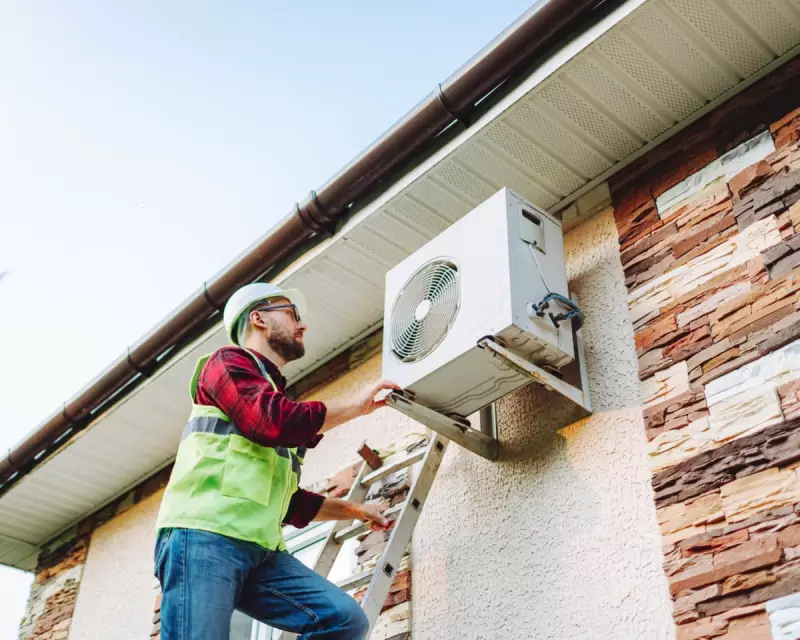
The UK government has unveiled a comprehensive £15 billion warm homes plan, designed to tackle the cost of living crisis and reduce reliance on fossil fuels. While the strategy includes a significant £2.7 billion push for heat pumps and insulation upgrades, it notably opts against setting a phase-out date for new gas boilers by 2035, a move that has sparked debate among environmental groups and opposition parties.
Key Components of the Warm Homes Plan
Ed Miliband, the Energy Secretary, emphasised that the plan aims to benefit every household by extending access to clean energy, which he claims can lower bills. The initiative represents the largest public investment in home upgrades to date, with a goal of overhauling 5 million dwellings across the UK. Miliband highlighted that this investment is three times greater than that of the previous government, framing it as a commitment to ordinary working people.
Financial Breakdown and Schemes
The plan allocates funds across several key areas in England:

- £5 billion for upgrades such as insulation, solar panels, batteries, and heat pumps targeted at low-income households.
- £2 billion towards low-cost loans for those who can afford them.
- £2.7 billion for the boiler upgrade scheme, offering £7,500 grants to swap gas boilers for heat pumps.
- £1.1 billion for heat networks using centralised low-carbon sources like geothermal energy.
- £2.7 billion for innovative finance through the warm homes fund, including green mortgages with lower interest rates for energy-efficient homes.
Additionally, £1.5 billion is earmarked for other programmes and devolved administrations in Scotland, Wales, and Northern Ireland.
Impact on Fuel Poverty and Energy Bills
According to research from the charity Nesta, households investing in upgrades under this plan could save up to £1,000 annually on energy bills. For example, combining a heat pump with solar panels and a battery could reduce yearly costs from approximately £1,670 to around £670. Simon Francis, coordinator of the End Fuel Poverty Coalition, praised the plan as a potential catalyst to lift millions out of fuel poverty, particularly benefiting those in cold, poorly insulated homes.
Official figures indicate that fuel poverty in England was projected to rise to 2.78 million homes by 2025, despite legal targets to reduce it. A 2024 analysis by the Institute of Health Equity and Friends of the Earth estimated that up to 9.6 million UK households live in substandard conditions, with energy debt reaching a record £4.43 billion by June last year.
Support for Green Industries and Trades
The plan is expected to bolster the UK's green home installation sector, which has previously struggled due to political uncertainty and high upfront costs. Greg Jackson, founder of Octopus Energy, noted that heat pumps, when paired with solar panels, can offer cheaper heating solutions, similar to trends in countries like Sweden and Norway. Jambu Palaniappan, CEO of Checkatrade, highlighted the opportunity for skilled tradespeople to support households in adopting these upgrades.
Criticisms and Future Challenges
Despite the incentives, the government has faced criticism for not implementing a ban on new gas boilers after 2035 and for reducing its heat pump installation target from 600,000 to 450,000 per year by 2030. Mike Childs of Friends of the Earth questioned whether a "carrots not sticks" approach would be effective, calling for larger grants and reduced electricity prices to drive adoption.
Ed Matthew from the E3G thinktank argued that making heat pumps more affordable through measures like 0% loans and tax eliminations on electricity bills is essential before considering a boiler ban. He suggested that once these conditions are met, households would naturally transition to heat pumps, making a ban feasible in the future.
Overall, the warm homes plan represents a significant step towards energy efficiency and poverty reduction, but its success will depend on effective implementation and addressing ongoing challenges in the green energy transition.






