

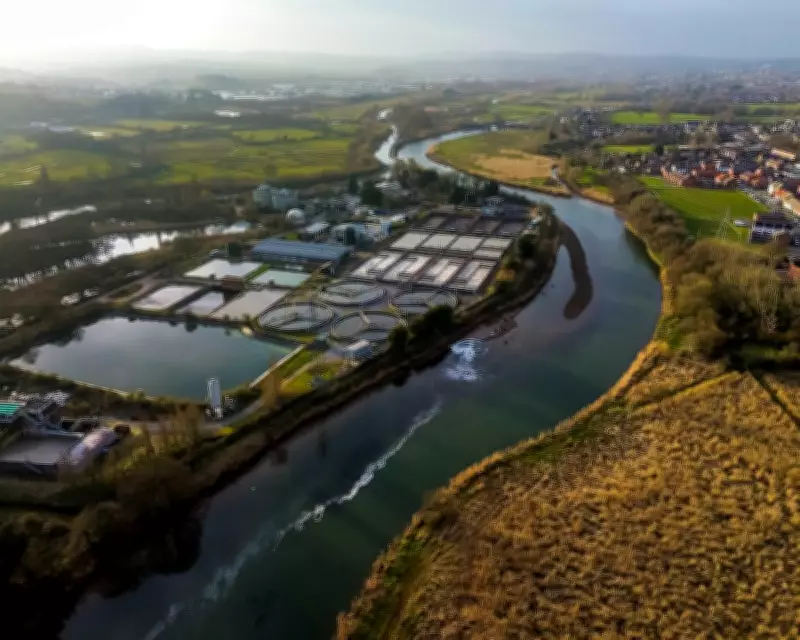
Campaigners across England and Wales are voicing strong opposition to the latest round of water bill increases, arguing that ordinary bill payers are being unfairly burdened with the financial consequences of decades of systemic failure within the water industry. This criticism comes as households prepare for another significant hike in their annual water charges.
Average Bills to Increase by 5.4% in April
According to figures released by Water UK, the industry's primary lobby group, water bills in England and Wales are set to rise by an average of £33 per household starting from 1st April. This represents a 5.4% increase compared to the previous year, pushing the average annual water bill to £639. Notably, this increase is two percentage points above December's inflation rate, placing additional strain on household budgets already grappling with the cost of living crisis.
Regional Variations and Highest Charges
The impact of these increases will vary significantly across different regions. Customers of Southern Water in southern England will face the highest average bill at £759, while those served by United Utilities in north-west England will see the largest increase of £57 to their average annual bills. In contrast, Thames Water, the troubled supplier for London and the Thames Valley, will add just £3 to average bills this year, having implemented most of its planned increases during the previous year.

It is important to note that individual household bills are ultimately determined by water usage patterns and the size of properties, meaning some consumers may experience even greater increases than these regional averages suggest.
Record Investment Plans Amid Sewage Controversy
The regulator Ofwat has granted water companies permission to charge customers a staggering £104 billion between 2025 and 2030 to fund essential maintenance and infrastructure upgrades. This record spending plan follows sustained public outrage over sewage spills contaminating Britain's rivers and coastal waters, which has placed water companies under intense scrutiny in recent years.
Annual water bills already surged by £123 last year at the beginning of this five-year investment period. The current 5.4% increase represents the continuation of this trend, with companies arguing that substantial investment is necessary to address long-standing infrastructure problems.
Campaigner Criticism and Legal Challenges
Environmental campaigners have strongly criticised these bill increases, with River Action taking the government to court over concerns that the hikes were not properly authorised. James Wallace, chief executive of River Action, stated that claims of record investment essentially mean "that bill payers, not water companies, are being forced to pick up the tab for decades of failure."
This sentiment reflects growing frustration among consumers who feel they are paying for problems they did not create, while water companies continue to operate with what many perceive as insufficient accountability for past failures.
Industry Response and Consumer Concerns
David Henderson, chief executive of Water UK, acknowledged the difficulty of increasing bills but defended the necessity of the investment. "We understand increasing bills is never welcome, but the money is needed to fund vital upgrades to secure our water supplies, support economic growth and end sewage entering our rivers and seas," he stated. "While we urgently need investment in our water and sewerage infrastructure, we know that for many this increase will be difficult."
Water UK has highlighted that approximately 2.5 million households will benefit from social tariffs, receiving discounts of up to 40% on their bills. However, the Consumer Council for Water (CCW) has raised serious concerns about the fairness of this support system.
Postcode Lottery for Financial Assistance
Mike Keil, chief executive of the CCW, warned that poorer households face what he described as a "postcode lottery" due to inconsistent policies on financial support across different water companies. "We've seen complaints brought to CCW about the affordability of water bills almost triple in the past year and further bill rises will compound people's worries," he explained.

Keil emphasised that while people generally support investment in improving water services, "they are impatient for change and need to see compelling evidence their money is being well spent." He called for "a stronger safety net for those who simply can't afford these bill rises," arguing that "the postcode lottery of financial assistance created by existing water company social tariffs is unfair and unsustainable in the face of rising water bills."
Broader Context and Regional Differences
It is worth noting that water provision operates differently across the United Kingdom. While England and Wales have privatised water companies, Scotland and Northern Ireland maintain government-owned water providers, creating distinct regulatory and pricing environments across the nations.
The current situation in England and Wales highlights ongoing tensions between necessary infrastructure investment, corporate responsibility, and consumer affordability. As water bills continue to rise above inflation, the pressure on both regulators and water companies to demonstrate tangible improvements in service quality and environmental protection will only intensify in the coming years.





