From Michelin Stars to Antarctic Kitchens: A Chef's Polar Adventure
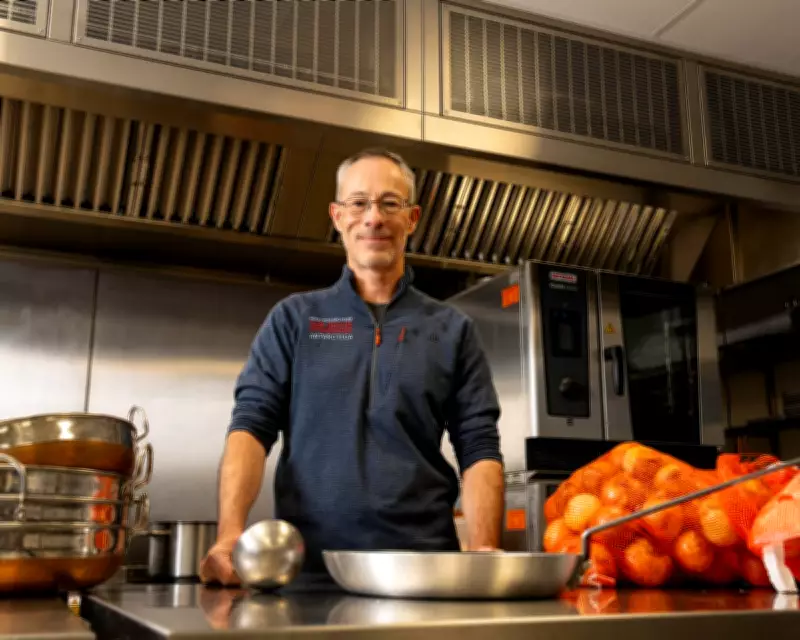
Olivier Hubert, a seasoned chef with a career spanning Michelin-star restaurants in Paris and London, hotels in Kuala Lumpur and St Moritz, and even a school in Oxfordshire, has embarked on an extraordinary culinary journey. He now serves as the catering manager for the British Antarctic Survey (BAS), overseeing food operations across five remote Antarctic research stations. For Hubert, this role fulfills a childhood dream of testing himself against the vast, unforgiving landscape of Antarctica.
The Logistics of Feeding a Remote Community
Traveling to Antarctica is no small feat, involving several planes and a journey of three to five days. Once there, Hubert faces unique challenges in managing a kitchen that must sustain staff living and working in one of the world's harshest environments. At the main hub, Rothera station, there are four chefs during the summer season. They start each day by baking bread, using around 12kg of bread mix daily during peak periods.
The team serves three main meals—breakfast, lunch, and dinner—plus a traditional Antarctic "smoko" at 10am. This mid-morning break features a hearty fry-up with bacon rolls, beans, sausages, tomatoes, and soups. Due to the extreme cold and high activity levels, staff require an intake of approximately 5,000 calories per day, roughly double what an average grown man needs in milder climates.

Home Comforts in a Frozen Landscape
Despite the remote location, Hubert and his team take pride in their meals, offering British home comforts to the mostly UK-based staff. Regular dishes include toad in the hole, shepherd's pie, fish and chips, curries, and a roast every Sunday. On Saturdays, they elevate the dining experience with restaurant-style meals, complete with tablecloths and candles, often themed—such as a 1970s dinner party featuring creative dishes like frankfurters and mash with pineapple and glace cherries.
Hubert notes that while they operate a canteen rather than a Michelin-star establishment, the quality remains high. The kitchen is well-equipped and professional, with stunning views of icebergs, sea, and mountains. However, the food supply chain presents significant hurdles. All products arrive frozen, with only one annual delivery to Rothera station. Hubert orders staples like bacon and sausages by the tonne, storing dry goods in up to four 20ft-long shipping containers and frozen items in one or two similar-sized freezers.
Adapting to Extreme Conditions and Shifting Priorities
The frozen environment affects food texture, particularly for fruits and vegetables, which can lose their crunch after thawing. Yet, meat, fish, and dairy maintain their quality. Temperatures can plummet to -40°C in winter on the ice shelf, necessitating specialized training and kit for survival. BAS provides comprehensive gear and instruction on staying warm, emphasizing proper clothing, avoiding moisture, and consuming high-fat, high-sugar foods.
Beyond the culinary aspects, Hubert reflects on the profound personal impact of living in Antarctica. The barren continent, home only to emperor penguins on the ice shelf, contrasts with the wildlife-rich peninsula, where penguins, seals, whales, and birds like skuas and albatrosses thrive. This isolation shifts priorities, highlighting the value of human connection over material possessions, as echoed by French philosopher Jean Bodin's idea that "there is no wealth but in men."
Hubert also gains a heightened awareness of waste, as all trash must be recycled, packaged, and shipped back home, exposing the excesses of Western societies. Returning to the "real world" can be challenging, leaving him to question his place in it. Nonetheless, he views his Antarctic experience as a privilege, urging others to appreciate such opportunities fully. His story underscores the resilience and adaptability required to thrive in one of Earth's most extreme settings, blending culinary expertise with adventurous spirit.