From Novice to Pro: The Photo Safari Transforming Wildlife Encounters
On the serene waters of the Chobe River, a cormorant struggles with a catfish too large to swallow, its red eyes wide with effort. From a low-slung photo boat fifty metres away, guests capture every moment, guided by expert advice on shutter speed and aperture. This is no ordinary safari—it's an immersive journey into wildlife photography, where the goal is not just to see Africa's majestic creatures but to photograph them with professional skill.
Mastering the Art of Wildlife Photography
The Chobe River, a 200-metre-wide waterway forming the border between northern Botswana and Namibia's Caprivi Strip, teems with life. On one bank, Botswana's Chobe National Park sprawls across 11,700 square kilometres, home to lions, leopards, and the world's largest elephant population. On the other, Namibian floodplains host local fishermen in dugout canoes. The river itself buzzes with activity: buffalo jostle like impatient shoppers, herons pose elegantly, and impalas drink cautiously, creating a photographer's paradise.
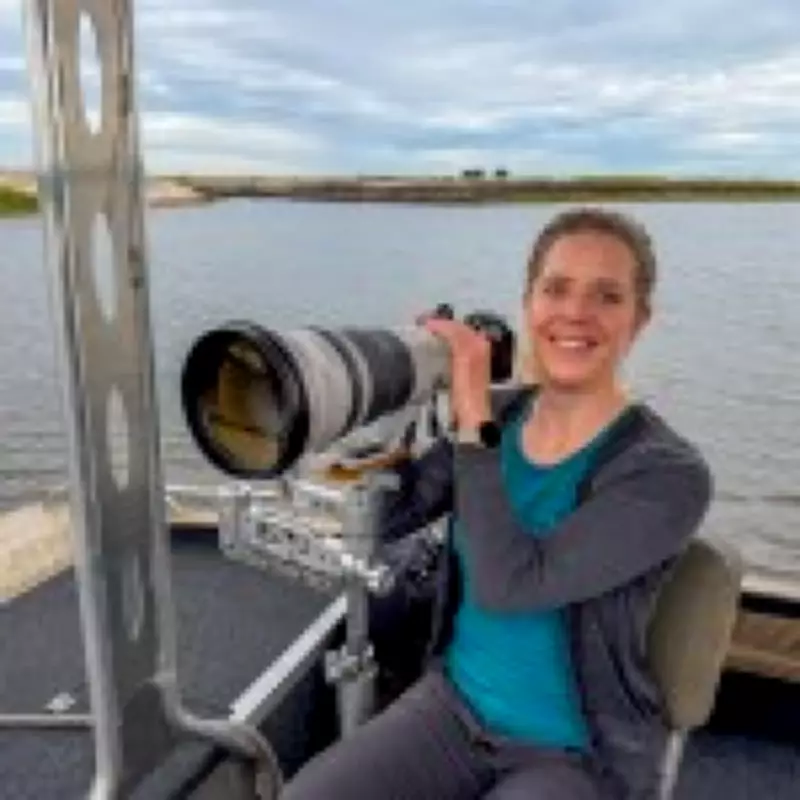
Pangolin Photo Safaris elevates this experience by pairing guests with professional wildlife photographers. Guides like Pusetso Nteta, Botswana's first home-grown female photography guide, offer real-time tips on composition and technique. 'Set your shutter speed to at least 1/2500 for action,' she advises, 'with exposure compensation around +⅔ to highlight dark birds against bright water.' Specialised photo boats feature 360-degree swivel seats and gimbal mounts for heavy lenses, ensuring every shot is crisp and intimate.

Innovative Accommodation: The Solar-Powered Houseboat
For unparalleled access to remote areas, guests can stay aboard the Pangolin Voyager II, Africa's first custom-built, solar-powered, fully-electric houseboat. Launched in July as an extension of Pangolin's Kasane hotel, this boutique floating lodge combines modern technology with traditional riverboat luxury. Solar panels power four electric motors, propelling the vessel at a serene 5 km/h without the noise of diesel engines.
The Voyager offers comfortable en-suite cabins, a lounge, and a dining area where chefs serve three-course meals. On the sundeck, guests sip Okavango gin while landscapes glide by, cameras at the ready. The silence allows nature's soundtrack to shine: kingfishers chirp, hippos grunt, and papyrus stems rustle in the breeze.
Exclusive Wildlife Encounters and Diverse Guests
Venturing into Namibian waters, the houseboat reaches 'Lily Land', a floating meadow of waterlilies where African jacanas, or 'Jesus birds', appear to walk on water. 'We have the river to ourselves here,' explains Pusetso, 'as land-based boats can't travel this far.' Guests enjoy private audiences with baboon families, capturing moments like infants tumbling playfully or reacting with crestfallen disbelief when a stolen feather is snatched away.
The safari caters to all skill levels, from beginners to experts. Top-end cameras and lenses are available for loan, making it accessible to those without professional gear. A recent group included seven people—six women and one man—reflecting photography's shift away from its traditional 'old boys' club' image. Among them were Alina Alonso and Joan Kaywell from Florida, who arrived with only smartphones. By week's end, Joan was tracking herons in flight and shopping for lenses online.
Why Photo Safaris Are Gaining Popularity
Toby Jermyn, Pangolin's co-founder, notes that 40% of guests now arrive without a professional camera, using the company's loan equipment. 'People love the wildlife opportunities, photo-centric itineraries, and chance to meet like-minded photographers,' he says. The focus on learning and improvement, combined with abundant wildlife, makes these trips uniquely rewarding.
After a week of delicious meals and capturing over 10,000 images, guests depart with not just photos but newfound skills. As the cormorant finally swallows its meal, exhausted and bulging, photographers share a sense of bloated satisfaction, having transformed from observers into skilled wildlife documentarians.

Planning Your Photo Safari Adventure
The 7-day Best of The Chobe tour runs from April to November, starting at £4,250 per person. This includes three nights on the Pangolin Voyager II, three nights at the Pangolin Chobe Hotel, all guided activities, meals, drinks, and camera gear loan. Private group bookings and extensions to Victoria Falls or the Okavango Delta are also available, offering a comprehensive African photography experience.