

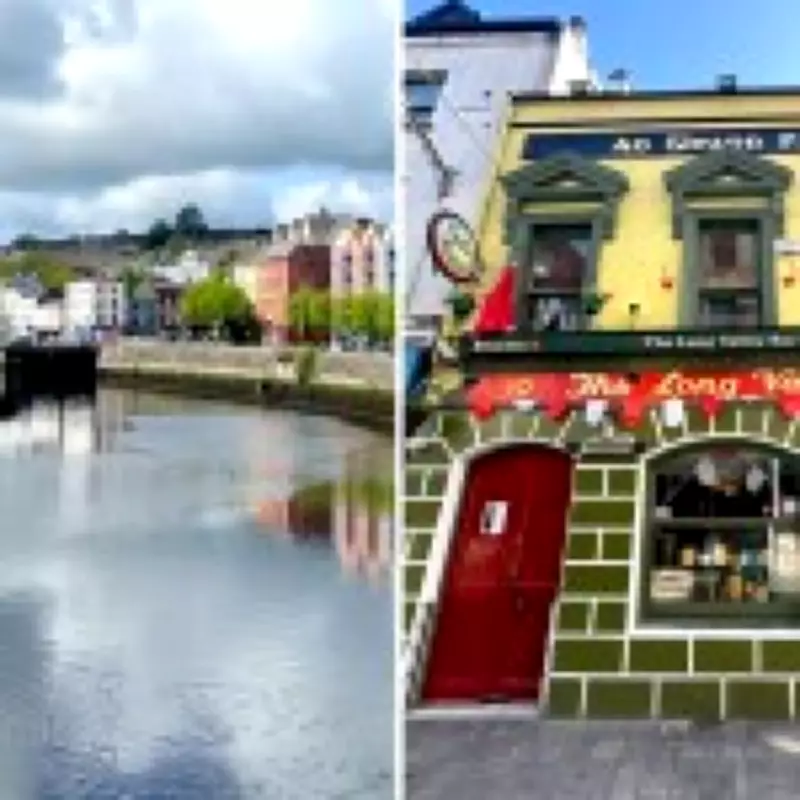
Cork's Cultural Revolution: Ireland's Rebel City Transforms Through Food and Community
To celebrate St Patrick's Day and the global Irish cultural revival, we revisit why Cork deserves your attention. This city combines excellent cuisine, lively entertainment, and rich history into an unforgettable experience.
A Warm Irish Welcome
Stepping outside Kent Station, visitors immediately encounter Cork's greatest asset: its people. Corkonians speak with a musical, lilting accent that feels like a song. The warmth extends from bar staff at Sin é to taxi drivers on George's Quay, creating an atmosphere that earned Cork Europe's second friendliest city title in 2023. National Geographic recently included Cork among its 25 best global destinations for 2025, the only Irish location on this prestigious list.
Living History and Modern Charm
The Imperial Hotel on South Mall offers a piece of living history where Irish revolutionary Michael Collins spent his final night. Room 115 has been transformed into a luxury suite honoring "the Big Fella" with a vintage four-poster bed. The hotel sits minutes from award-winning attractions including the historic English Market, contemporary Glucksman gallery, and Nano Nagle Place museum and rose garden dedicated to the Cork-born women's educator.

Further within walking distance, the Butter Museum provides fascinating insights into Irish folklore and heritage. Retro Kerry Gold advertisements from the 1950s and 1960s alone justify the visit, with entry priced at just £5.
Culinary Excellence and Innovation
Cork's food scene demonstrates remarkable creativity and quality. The Fab Food Trails tour (€80 per person) showcases culinary highlights including Miyazaki, a Japanese takeaway led by Michelin-starred chef Takashi Miyazaki, and My Goodness, a vegan deli in the English Market specializing in fermentation techniques.
Other notable establishments include Goldie, with its daily changing menu, and Elbow Lane, a nano-brewery and smokehouse serving butter-soft T-bones and local buffalo burrata. Izz Café, recently named Ireland's best Middle Eastern restaurant, serves exceptional sharing plates and what owner Izzedeen Alkarajeh claims is the country's best hummus.
Community Spirit and Sustainable Development
Cork's strong community spirit manifests in places like Myo's, a riverside café hosting Irish language meet-ups and serving excellent banana bread. Benches and chess tables installed during COVID-19 remain popular gathering spots where strangers regularly engage in conversation.
The city's first greenway opened in Midleton in December, attracting cyclists and prompting local businesses like Cork Bike Hire to expand operations. Wife and wife team Fiona O'Driscoll and Deirdre Roberts opened a new location specifically to serve tourists drawn to this sustainable transportation route.
Understanding Ireland's Culinary Journey
To appreciate Ireland's current culinary achievements, one must understand its colonial past. For centuries, Ireland's natural wealth—beef, oysters, butter, and cheese—was exported while the Irish population faced hunger. Before potatoes arrived in the late 16th century, people foraged for vegetables, fruit, nuts, shellfish, seaweed, and what would now be called organic red meat.
Today, Irish produce ranks among the world's highest quality, and kitchens are finally receiving recognition. "We're in an exciting moment where people are doing amazing things with wild food like seaweed, grass, foraged ingredients, and fusing that with fine dining concepts from abroad," explains Suzanne Burns of Kinsale Food Tours.
This experimental spirit appears in ventures like Johnny Lynch's transformation of his family's dairy into a buffalo farm. After importing 31 water buffalo from Italy during the 2009 financial crisis, the Lynches now maintain a herd exceeding 700 animals, supplying the English Market with mozzarella, ricotta, and natural yoghurt.
Similarly, Frank Keane transitioned from running Ireland's leading ceramic gallery to creating Koko Kinsale, a high-end chocolate shop producing intricate, colorful sweets.

The Cork Ethos: Open Doors and Helping Hands
Seamus Heaney, director of Visit Cork, observes that "it's very easy to push open doors here. People change careers, or they go abroad for a while, as they always have in Ireland. Eventually, they come back with ideas, and crucially, they come back to find a community willing to help them. There are lots of exciting things happening."
This supportive environment extends across local enterprises, creating a city where people genuinely look out for one another.
Practical Information
Cork enjoys decent transportation connections, with hourly trains from Dublin operating from 6am until 9pm. Cork Airport, just 15 minutes from the city center, offers direct routes to major European destinations and UK hubs including Manchester, Birmingham, and London's major airports.
Once in Cork, walking proves the best way to experience the city. "Everything is within walking distance and I think that's what has kept the sense of community so strong," notes Dave Riordan of Fab Food Trails.
Two-Day Cork Itinerary
Day 1:
- Begin with coffee and pastries at plugd records, an independent coffee shop and wine bar supporting local and international charities
- Join the Fab Food Trails tasting tour (€80 per person)
- Explore Elizabeth Fort, the Glucksman gallery, and Nano Nagle's garden
- Enjoy dinner at Elbow Lane followed by Guinness and traditional music at Sin é
Day 2:
- Breakfast at Myo's featuring their renowned banana bread
- Visit the Cork Butter Museum for history lessons and butter-making demonstrations
- Take the train to Midleton and cycle the newly opened Greenway (electric bikes available from Cork Bike Hire for €50 daily)
- Stop at Grump Bakers for coffee and pastries—their sourdough receives praise from 2-Michelin-starred chef Vincent Crepel
- Alternative: Bus to Kinsale for a walking food tour with Kinsale Food Tours (from €75 per person)
- Conclude with dinner at Izz Café and a pint of Beamish at Callanan's
Cork represents more than just a destination—it embodies a cultural revolution where history, community, and culinary innovation converge to create something truly special.





