

Cyprus Tourism Braces for Impact as Iran War Tensions Escalate
No country in Europe is poised to feel the effects of the Iran conflict more acutely than Cyprus. As the nearest European Union member to the Middle East, this Mediterranean island nation is already witnessing early signs of strain on its crucial tourism sector, with bookings declining and uncertainty mounting among business owners and visitors alike.
Early Season Jitters in Ayia Napa
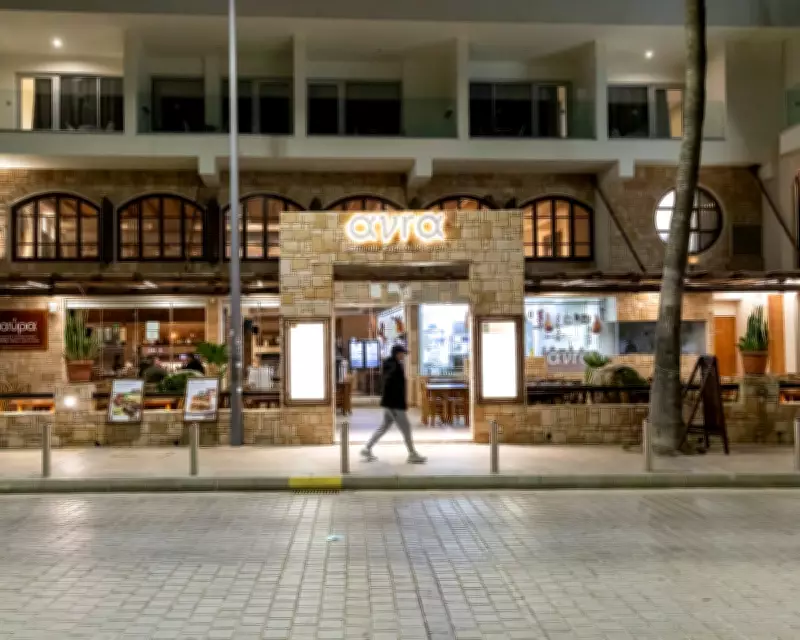
The tourist season has only just begun, but the pulse of Ayia Napa, one of Cyprus's premier coastal resorts, is already showing signs of fluctuation. While visitors continue to trickle in to enjoy the area's famous sunsets, diverse eateries, and stunning shoreline views, a cloud of apprehension hangs over what many had hoped would be another banner year for tourism.
On the seafront, Vassilis Georgiou oversees construction of a new ramp for the jetskis that form the centerpiece of his water sports business. Last year, his beachside booth attracted over 500,000 holidaymakers who purchased tickets for boat cruises, parasailing, and other aquatic adventures. "That's far from certain now," Georgiou remarked, shielding his eyes from the setting sun. "It may be early days, but I've been here since 1992, and suddenly hoteliers are saying bookings are down. People are thinking twice."

Geographic Proximity Creates Vulnerability
Cyprus's geographic position makes it uniquely vulnerable to Middle Eastern conflicts. The tourist-dependent nation attracted four million visitors last year, with approximately one-third coming from Britain, for whom this former colony remains a perennial favorite. This year, however, the landscape looks markedly different.
Following Iran's retaliatory attacks, a drone launched by pro-Iranian militia struck the British base of RAF Akrotiri in the early hours of Monday, placing Cyprus firmly within what many consider a "risk zone." This incident prompted numerous flight cancellations from both eastern and western destinations. As sirens continued to sound at the base in subsequent days, the British Foreign Office updated its travel advice for Cyprus, explicitly stating that terrorist attacks could not be ruled out.
Industry Response and Visitor Sentiment
"We're hearing of cancellations, of a certain numbness at this week's ITB," said Fotos Kikillos at Ayia Napa's town hall, referencing the Berlin trade fair that traditionally sets the tone for the global travel industry. He quickly added, "As you can see, life here is very safe. People are enjoying themselves. There's no sense of fear. The last thing we want in Cyprus is to be dragged into this war."
Among those strolling through the resort town's plaza last week were Karin and Oliver Kiilaspa, a young couple from Estonia who arrived on the very day the British base was attacked. "We were a little worried because we're here with our baby daughter, but we wanted to think positively," Karin explained. "There's a lot of snow where we come from, and it's like spring in Cyprus. We didn't want to cancel because of what's happening, because of a war."
This sentiment was echoed by older European visitors. Marianne Steglich, a Danish retiree participating in a guided tour of what began as a fishing village at the island's far eastern end, was unequivocal: "We're here for three weeks, and I wasn't going to miss it because of what they [the US and Israel] are doing."
Historical Perspective and Current Realities
Those with memories of the 1974 Turkish invasion and its traumatic aftermath—events that left Cyprus ethnically divided with Greek and Turkish Cypriots living on either side of a UN-patrolled buffer zone—often dismiss current safety concerns with a measure of historical perspective. "Bah! When you've seen the skies full of parachutes and bombs going off, then you get afraid," remarked a shopkeeper who identified himself as Evros. "This, today, is a picnic."

Andri Christoforou, who has worked eight summers in Ayia Napa, wholeheartedly agrees. The fish tavern manager has noticed that tourists have "got used" to the sight of missiles coursing through the night skies of the eastern Mediterranean. Last summer, during the Gaza crisis, diners could literally see war on the horizon as they ate on the terrace of Vassos restaurant, one of Ayia Napa's oldest eateries. "People come here on holiday, to have a nice time," she observed. "Of course we're worried. Everyone is talking about this war, the future, and how long it is going to last. You have to be positive, otherwise it harms your health."
Official Outlook and Seasonal Timing
Accepting that cancellations have been observed across the Mediterranean, Kostas Koumis, Cyprus's deputy tourism minister, has been quick to acknowledge that while the island nation has survived similar crises in the recent past, this situation carries distinct challenges: Cyprus has now been forced to confront a hostile incident on its own soil.
Everything, he insisted last week, will depend on the duration of the conflict. "The unofficial start of the tourist season, every year, is essentially Catholic Easter, which [this year] falls on April 5," Koumis explained. "If, by then, everything stops, then we can expect a good tourist season." The coming weeks will prove critical for an industry that forms the backbone of the Cypriot economy, as the nation watches geopolitical developments with cautious optimism and prepared resilience.





