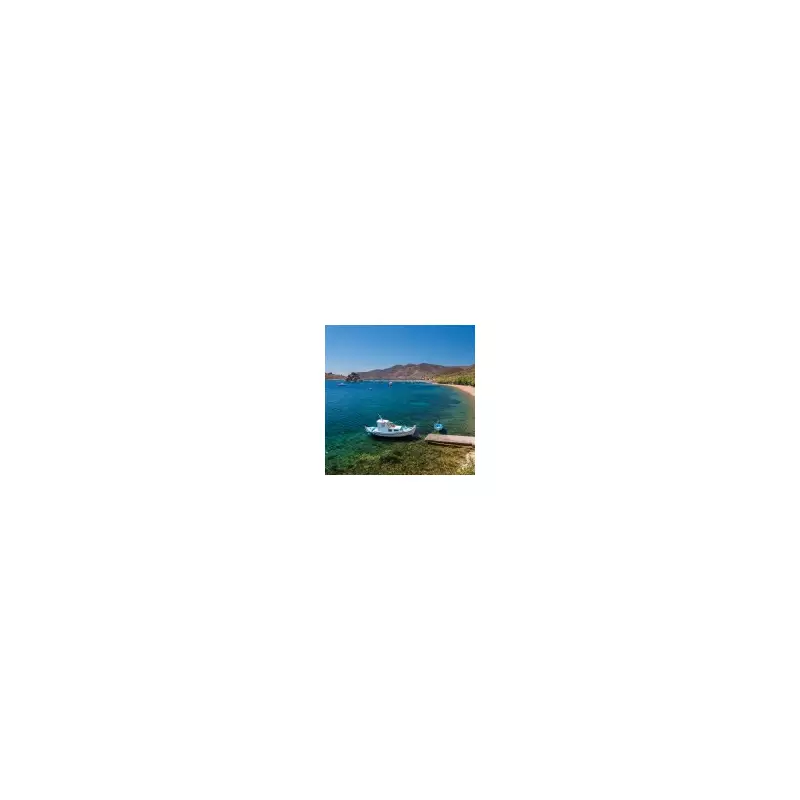
While the names Crete, Santorini, and Mykonos dominate Greek holiday brochures, the impact of overtourism in 2025 has prompted savvy travellers to seek quieter alternatives. For 2026, the spotlight turns to Patmos, a serene and spiritually significant island in the Aegean Sea that promises an authentic Hellenic escape without the overwhelming crowds.
A Tapestry of History and Pilgrimage
Designated a UNESCO World Heritage Site, Patmos is steeped in profound historical and religious significance. The past is most palpable in the hilltop village of Chora, where narrow, cobbled streets weave between Cycladic houses and Neoclassical mansions, all clustered around the Monastery of Saint John the Theologian. Founded in 1088, this Greek Orthodox monastery has been a major pilgrimage destination for centuries.
According to sacred legend, it was on Patmos that Saint John the Apostle penned the Book of Revelation. The very spot where he is said to have received his apocalyptic visions is the Cave of the Apocalypse, located halfway up the mountain. This isolated grotto is where he watched the prophesied creation of a new Earth unfold. Visitors can explore these sacred sites; GetYourGuide offers a tour for £26, promising insight into the island's deep spiritual legacy.

Pristine Beaches and Aegean Charm
Beyond its historical weight, Patmos is celebrated for its stunning natural beauty. The coastline is a mesmerising blend of secluded coves, crystal turquoise waters, and beaches of golden and white sand. For a relaxed day, Psili Ammos offers ample sunbathing space with just one taverna. Petra beach provides clusters of sunbeds, while Agriolivadi is a lovely bay situated between Skala and Kampos, complete with a beach bar and taverna.
The island's main port, Skala, is the perfect base for a classic fly-and-flop holiday. This bustling harbour town is the commercial heart of Patmos, lined with shops, hotels, and traditional tavernas. Here, you can enjoy the vibrant atmosphere while sipping €3 (approximately £2.61) glasses of wine and sampling €4.50 (around £3.92) tzatziki. A standout for authentic cuisine is the Trehantiri Taverna on Skala Harbour, renowned for its generous portions of moussaka, gyros, and fried squid, all served in a rustic setting praised by travellers on TripAdvisor.
Planning Your Visit to Patmos
Patmos enjoys a classic Mediterranean climate. The ideal visiting window is from May to October. During spring, visitors can marvel at blooming flowers and bask in pleasant average temperatures of around 24°C before the peak summer heat, which can exceed 30°C. Autumn offers similarly mild weather around 22°C, with the sea retaining its summer warmth—perfect for swimming. Travelling during these shoulder seasons also means fewer crowds and more affordable prices.
Reaching Patmos requires a two-stage journey, as the island has no airport. The quickest and often cheapest route from the UK is to fly to Kos. For example, on Sunday, 19 April 2026, easyJet has flights from London Gatwick to Kos International for £19. From Kos, a foot passenger ferry to Patmos takes about two hours and 15 minutes, with one-way tickets averaging £43.95 via Direct Ferries.
The alternative is to fly to Athens (flights from £21 on the same date) and take an eight-hour ferry from Piraeus, which costs around £39. While this route is slightly cheaper, it involves a significantly longer sea crossing.
In a travel landscape where popular destinations are buckling under pressure, Patmos stands out as a genuine sanctuary. It seamlessly combines untouched natural beauty, profound historical depth, and authentic Greek culture, making it a compelling choice for travellers seeking a more serene and meaningful island experience in 2026.