Edinburgh's Whisky Hotel Revolution: How The Glasshouse Redefines Scotch Tourism
The competitive landscape of Edinburgh's five-star hospitality sector has undergone a dramatic transformation. Simply purchasing one hundred bottles of Scotch whisky and labeling a hotel as a 'whisky hotel' no longer satisfies discerning investors or guests. Today's market demands an authentic 'sense of place,' where visitors can immerse themselves in a genuine whisky experience. This shift is occurring against a complex backdrop for the Scotch industry.
The State of Scotch: Tourism Growth Amid Export Declines
While Scotch whisky sales and exports have significantly decreased from a peak of approximately 14 million casks in 2022 to 8.7 million in 2025, Scotland's whisky tourism sector tells a different story. The nation's 150 operating distilleries welcomed a record-breaking 2.7 million visitors in 2024. Remarkably, over sixty percent of these guests traveled from overseas, contributing to an annual spend of £84 million. Over the past decade, the industry has invested more than £300 million into whisky tourism infrastructure.
However, this rapid expansion into distillery experiences is showing signs of strain. Diageo, the world's largest Scotch distiller, recently announced the closure of one of its four recently expanded visitor centers. The Clynelish distillery near Brora, Sutherland, failed to meet visitor number expectations, compounded by staffing challenges. Furthermore, Diageo has halted production at its Roseisle maltings and Teaninich distillery in Easter Ross due to declining global demand for Scotch whisky.

Meanwhile, Glenmorangie in Tain, owned by French luxury conglomerate LVMH, has suspended production while keeping its visitor center operational. This indicates that while some visitor experiences face pressure, others provide crucial diversification for producers navigating a challenging market.
The Glasshouse Strategy: Authenticity Over Scale
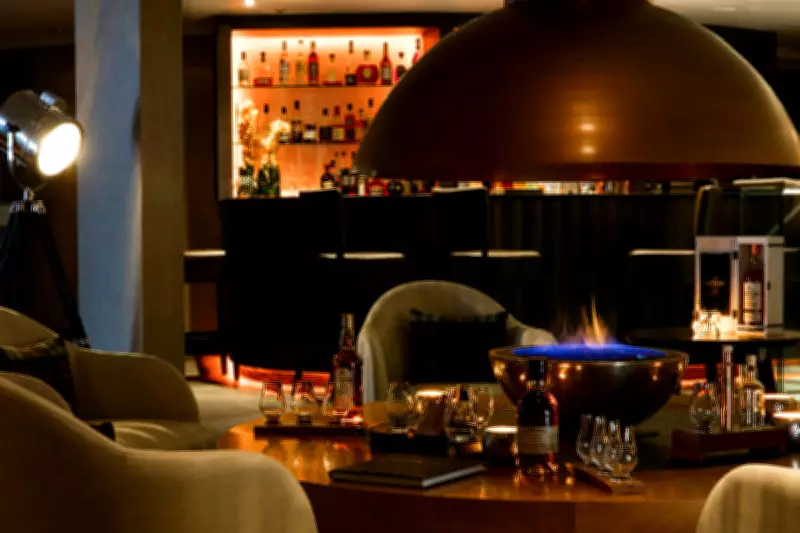
It is within this context that The Glasshouse, owned by YTL Hotels, is carving its distinctive niche. The property is ingeniously built within the preserved 18th-century facade of the former Lady Glenorchy Church, leveraging historic 'monumental' appeal that modern constructions lack. While the external stonework whispers of history, the hotel's contemporary commercial engine is discreetly housed inside: a 'hidden' five-star sanctuary known as The Snug.
In an Edinburgh market saturated with dozens of specialist whisky venues, The Glasshouse has strategically pivoted away from volume and scale. Instead, it focuses intensely on the quality and exclusivity of the whisky experience, centered around its concealed Snug bar. This approach aligns perfectly with the broader 2026 travel trend known as the 'experience economy,' where visitors prioritize meaningful, active engagement over passive consumption.
Ignacio Sans Garcia, General Manager of The Glasshouse, explains the deliberate strategy behind the setting. 'The Snug's location within a former church creates an intentionally intimate and contemplative atmosphere, enhancing the sense of exclusivity and discovery for guests,' he states. This environment fundamentally shapes staff interactions, placing greater emphasis on storytelling, expert guidance, and personalized recommendations tailored to individual guest preferences.
Curating a World-Class Whisky Collection
Industry standards suggest that a 'decent' Edinburgh whisky bar requires a minimum of fifty expressions, with the elite tier typically starting at one hundred fifty. The Snug comfortably surpasses this benchmark, maintaining a meticulously curated collection of over two hundred whiskies. This selection represents a 'true rainbow of flavours,' ranging from globally recognized distilleries to rare independent and exclusive bottlings like the Dalmore 30 or Bunnahabhain 30.
The experience is reinforced through structured whisky flights, such as the 'Beginners Tour' or regional Speyside selections, designed to offer a 'sensory journey through Scotland without leaving the bar.' Pei-Leeng Yeoh, Marketing Manager for YTL Hotels, views this collection as integral to the group's wider brand identity, which champions 'authenticity and a strong sense of place.'

The hotel has also fostered collaborative relationships with distillers through initiatives like the Malt of the Month programme, launched in June 2024. This programme was designed to 'work collaboratively with whisky brands to generate awareness of their products through immersive and multi-dimensional activations, rather than relying solely on traditional promotional methods.'
Weaving Whisky into the Hotel's DNA
For The Glasshouse, the whisky experience extends far beyond the bar. The team has integrated the hotel's identity into physical assets, including a limited-edition Glenborrodale whisky crafted in partnership with the Adelphi Collection. Furthermore, each of the hotel's seventeen suites is named after a whisky or region, offering guests a nightly dram in homage to its namesake.
'The Glasshouse has woven whisky into its brand DNA as a mark of distinction,' affirms Pei-Leeng Yeoh. The hotel has also introduced a bespoke tartan, which now defines its visual identity. YTL hopes this allows guests to engage with the hotel 'beyond their stay, creating tangible connections that can be taken home and enjoyed long after their visit.'
Targeting a New Generation of Whisky Enthusiasts
One of the hotel's most notable initiatives is its focus on the evolving demographic of whisky drinkers. While the industry has been historically male-dominated, significant market growth is now driven by premiumisation among millennials and Generation Z, who prioritize 'drinking better, not more.'
Events are a cornerstone of the hotel's strategy to capture this market. These include the prestigious Burns Night celebration with The Dalmore, alongside innovative 'experimental events' aimed at whisky drinkers of all experience levels. The hotel's calendar has featured:
- Scotch and Sketch drawing masterclasses
- Collaborative golf and whisky experiences
- Dedicated showcases for independent bottlers
- A 'Whisky Battle' where guests rated competing drams
- Whisky quiz nights hosted by local influencers featuring multiple brands
In March, the hotel is preparing a 'Women in Whisky' celebration for International Women's Day. Delivered in partnership with a brand and a dedicated charity, the event will feature guest speakers to 'celebrate diversity, share knowledge, and highlight the growing influence of women within the sector.'
In the fiercely competitive Scottish hospitality market, The Glasshouse distinguishes itself not merely as a hotel, but as a pioneering brand dedicated to introducing Scotch whisky to newcomers while enriching the dialogue surrounding existing distilleries. Its success demonstrates that in an era of shifting exports, the future of Scotch may increasingly be found in immersive, authentic experiences rather than bottles alone.