

The Foreign, Commonwealth & Development Office (FCDO) has issued updated travel advice for British holidaymakers, urging those planning trips to popular destinations such as Cyprus, Turkey, and the Maldives to review their arrangements. This comes as the ongoing Middle East war, now in its ninth day, has led to significant travel disruptions, including airspace closures and flight cancellations, heightening risks for travellers.
Evacuations and Government Response
UK nationals have already been evacuated from affected areas like Oman and the United Arab Emirates, with the government arranging charter flights to ensure their safe return. A second charter flight from Oman landed at Gatwick Airport early Saturday, joining approximately 6,500 Britons who have returned from the UAE since the conflict escalated. The FCDO emphasized that even countries not directly involved are experiencing travel issues, advising travellers to monitor airline updates, check insurance coverage, and register with the FCDO before departure.
Countries with Full Travel Bans
The FCDO has warned against all travel to several countries due to active conflict, terrorism, or instability. These include:

- Afghanistan: Complete avoidance is advised.
- Iran: British nationals are urged to reconsider their presence due to serious risks.
- Iraq: All travel to Federal Iraq and the Kurdistan Region is considered unsafe.
- Israel and Palestine: Travel is fully restricted.
- Syria: Travel is strongly discouraged.
Partial Travel Restrictions in Key Regions
Some destinations are only deemed safe for essential travel, often due to border tensions or security risks. Key areas include:
Middle East
Countries like Bahrain, Kuwait, Qatar, and the UAE are restricted to essential travel only. In Oman, British nationals in Duqm are advised to shelter in place, while those in Salalah should leave if possible. Saudi Arabia requires avoiding areas near the Yemen border, and Jordan advises against travel near the Syria border.
North Africa and South Asia
In Egypt, avoid North Sinai and the Egypt-Libya border, with restrictions in parts of South Sinai and the Western Desert. Pakistan has warnings for areas near Afghanistan and specific districts in Balochistan and Khyber Pakhtunkhwa.
Caucasus and Lebanon
Armenia, Azerbaijan, and Georgia have border area restrictions, while Lebanon has off-limits zones in Beirut and southern suburbs.
Impact on Popular Holiday Destinations
Even destinations typically seen as safe are affected by the conflict's ripple effects:
- Cyprus: Travel is possible, but terrorist attacks cannot be ruled out, including in areas frequented by foreigners.
- Turkey: Travel near the Syria border is strongly discouraged; other areas are for essential travel only.
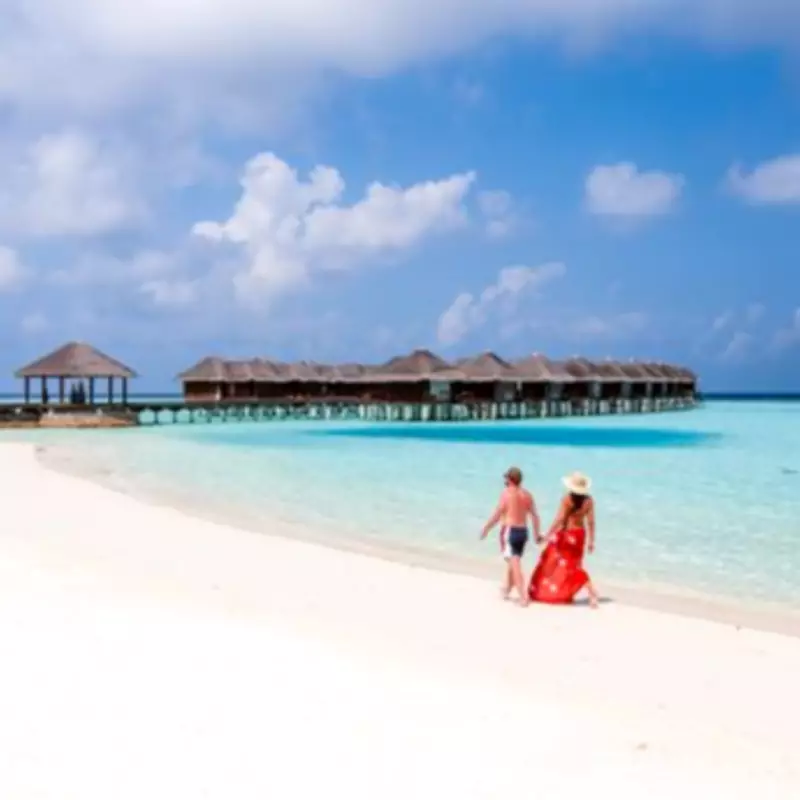
- Maldives: Widespread disruption due to airspace closures; visitors should check airlines and review insurance.
- Sri Lanka: Flights are disrupted despite no direct involvement; travellers should verify schedules.
Ongoing Developments and Future Concerns
The conflict has caused operational issues at major hubs like Dubai International Airport, which temporarily suspended flights after reported blasts before partially resuming. Questions remain about the UK's role, with Foreign Secretary David Lammy suggesting RAF jets could legally strike Iranian missile sites threatening British interests. As the situation evolves, travellers are encouraged to stay informed through official channels and adjust plans accordingly to ensure safety.






