House Burping: The German Ventilation Trend Taking America by Storm
In recent months, a peculiar home maintenance practice has captured the attention of American social media users, sparking both enthusiasm and debate. Dubbed "house burping" by content creators, this trend originates from the long-standing German tradition of Lüften, which involves regularly airing out homes by opening windows to promote freshness and prevent mould.
What Exactly Is House Burping?
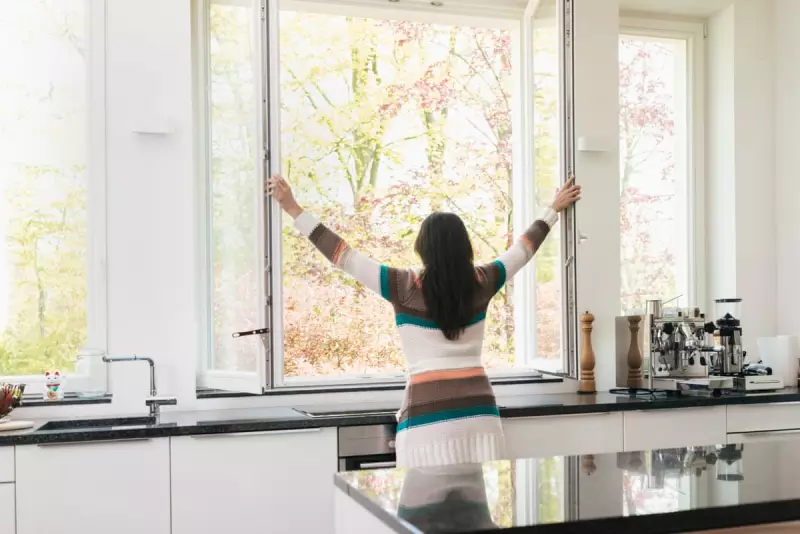
House burping refers to the simple act of ventilating a living space by opening windows wide for a short period, typically just a few minutes. The term itself is a playful analogy, comparing the release of stale indoor air to burping a baby. This practice has been commonplace in Germany for generations, where it is often considered essential for maintaining a healthy indoor environment.
In fact, Lüften is so ingrained in German culture that it is sometimes mandated in rental agreements, emphasising its importance for preventing dampness and ensuring adequate airflow. The concept gained additional prominence during the COVID-19 pandemic, when German Chancellor Angela Merkel highlighted ventilation as a cost-effective measure to reduce virus transmission.

The American Adoption and German Reaction
On platforms like TikTok, American users have enthusiastically embraced house burping, labelling it a "mom hack" and praising its purported health benefits, such as warding off illness. However, this newfound popularity has been met with bemusement in Germany, where many have taken to social media to mock the trend with comments like "America discovers fresh air" and express surprise that such a routine practice could become a viral sensation.
Despite the light-hearted exchanges, the trend underscores a cultural difference in attitudes towards home ventilation, with Germans viewing it as a mundane necessity rather than a novel discovery.
Potential Downsides and Controversies
While house burping is generally praised for its simplicity and effectiveness, it is not without its critics and potential drawbacks:
- Energy Efficiency Concerns: Researchers have pointed out that excessive window opening, particularly in well-insulated modern buildings, can undermine energy efficiency by letting heat escape, thereby increasing greenhouse gas emissions. A 2021 study noted that some Germans continue to air out their homes out of habit, even when it is unnecessary.
- Relationship Strains: The practice has been known to cause friction in households, especially when preferences for ventilation clash. For instance, a report in the Washington Post highlighted a case where a couple's disagreement over overnight airing in Berlin contributed to their breakup, compounded by incidents like bats entering the flat.
- Cultural Misunderstandings: The German aversion to draughts, encapsulated in the saying "Many people have frozen to death, but no one has ever died from a bad smell," illustrates the balance between ventilation and comfort that is sometimes lost in translation.
Best Practices for Effective Ventilation
To avoid the pitfalls associated with house burping, experts recommend following the German method of Stoßlüften, or shock ventilation. This involves:
- Opening windows wide for a brief period, usually five to ten minutes.
- Avoiding leaving windows open overnight or in extreme weather.
- Ensuring cross-ventilation by opening windows on opposite sides of a room to maximise airflow.
By adhering to these guidelines, homeowners can reap the benefits of improved air quality without compromising on energy savings or domestic harmony.
As house burping continues to trend online, it serves as a reminder of the enduring value of simple, traditional practices in promoting health and wellbeing, even as they spark cross-cultural conversations and occasional controversies.