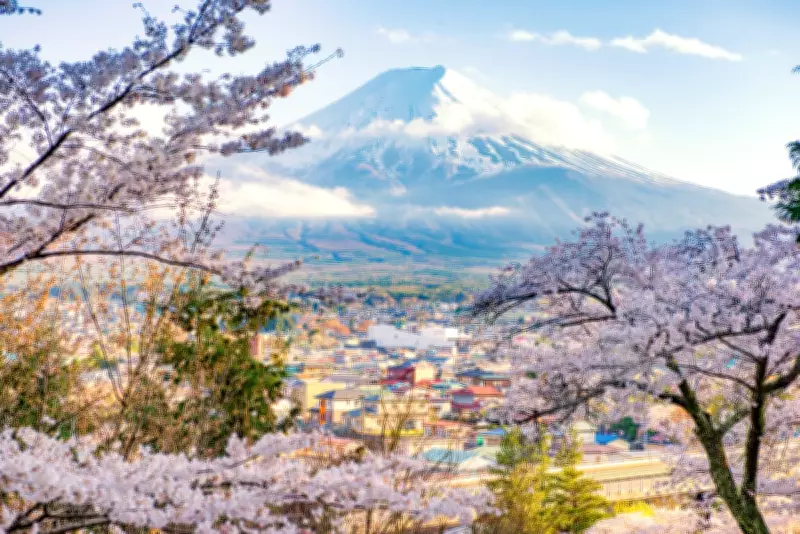
Japan's Cherry Blossom Festival Cancelled Due to Tourist Overcrowding
In a significant move, Japan has announced the cancellation of its iconic annual cherry blossom festival, a decision driven by mounting concerns over an overwhelming surge in tourist numbers. This event, traditionally a highlight of the spring season, attracts millions of visitors each year, but authorities have cited the strain on local infrastructure and the environment as key factors behind the unprecedented cancellation.
Environmental and Social Pressures Lead to Decision
The festival, known for its breathtaking displays of pink and white blossoms across parks and streets, has faced increasing challenges in recent years. Officials report that the sheer volume of tourists has led to significant environmental damage, including littering, trampling of delicate flora, and disruption to local communities. The cancellation aims to mitigate these issues, with plans to reassess how such cultural events can be managed sustainably in the future.
This move reflects a broader global trend where popular destinations are grappling with the impacts of mass tourism. In Japan, the cherry blossom season is not only a cultural cornerstone but also a major economic driver, making this cancellation a notable shift in policy. Authorities are now exploring alternative ways to celebrate the blossoms, potentially through virtual events or controlled, smaller-scale gatherings.

Implications for Tourism and Local Economy
The cancellation is expected to have ripple effects on Japan's tourism industry, which heavily relies on seasonal events like the cherry blossom festival. While it may reduce immediate environmental strain, it could also impact local businesses that depend on tourist spending during this peak period. Experts suggest that this could prompt a reevaluation of tourism strategies, balancing cultural preservation with economic benefits.
Looking ahead, Japan plans to implement measures to better manage tourist flows in future seasons, such as timed entry systems or enhanced conservation efforts. This decision underscores the delicate balance between promoting cultural heritage and protecting natural resources in an era of increasing global travel.