

Kenya's Sarara Safari: A Blueprint for Community-Led Conservation
In the remote Namunyak Community Conservancy of northern Kenya's Great Rift Valley, a revolutionary approach to safari tourism is rewriting the rules of conservation. What began as "bandit country" in the 1990s—where poaching was rampant and weapons commonplace—has transformed into one of Kenya's most remarkable conservation success stories through an unlikely partnership between fourth-generation Kenyan Jeremy Bastard and the semi-nomadic Samburu people.
From Lawless Land to Conservation Model
"Back in the 1990s when I was growing up here, it was bandit country. Poaching was rife, weapons were everywhere, and nobody was getting along," recalls Jeremy Bastard, CEO of The Sarara Foundation, whose sun-bleached hair and casual attire belie his role as a baby elephant rescuer and conservation leader. The transformation began in 1995 when the Samburu people recognized that conservation could offer more than wildlife protection—it could uplift entire communities.
When the conservancy launched, numerous species faced extinction from poaching, and human-wildlife conflicts occurred regularly. The Samburu partnered with Jeremy's parents to develop an ecotourism model owned and operated by the community itself. Since Jeremy and his wife Katie assumed leadership in 2010, they have expanded this vision dramatically, co-founding Reteti Elephant Sanctuary in 2016 and establishing The Sarara Foundation in 2019 to create a comprehensive strategy linking wildlife protection with healthcare, education, and sustainable income generation.

Samburu Culture at the Heart of Safari Experience
Today, four Sarara properties welcome visitors—Reteti House, Sarara Treehouses, Sarara Camp, and the mobile Sarara Wilderness camp—but this represents no ordinary safari formula. Unlike glossy lodges where guests remain isolated from local life, Sarara places Samburu culture at the center of every experience. "We want you to see it all," explains Robert, general manager. "We are proud of our culture and lands—we want you to see them."
Visitors to Samburu villages encounter a gerontocratic social structure where elders govern through councils held beneath ancient fig trees, and polygamous traditions measure wealth in cattle rather than currency. There's no electricity or tapped water, with families sleeping in huts woven from branches. Photography restrictions demonstrate respect for cultural privacy, creating authentic interactions rather than staged performances.
Elephant Sanctuary and Women's Empowerment
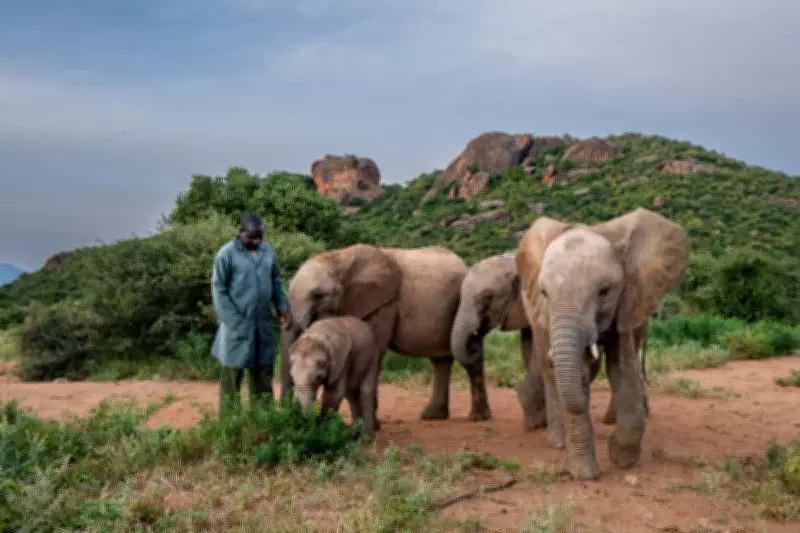
A short walk from Reteti House leads to Reteti Elephant Sanctuary, where approximately forty orphaned calves thunder toward their keepers at feeding time. The joyful spectacle of elephants tumbling into muddy pools, trumpeting and tussling, occurs without tourist crowds jostling for camera angles. Nearby, a two-month-old giraffe tottering on spindly legs completes the intimate wildlife experience.
The COVID-19 pandemic sparked unexpected innovation when formula milk for orphaned elephants became unavailable. The Sarara Foundation's Milk to Market programme enabled local Samburu women to sell goat and camel milk to the sanctuary. These "Milk Mamas" gained reliable income in a society where arranged marriages are customary and women often lack independent earnings. Surplus milk now transforms into cheese, yogurt, and soap, providing consistent income even during quieter sanctuary periods.
Healthcare, Education, and Measurable Results
"For a sick elephant, everyone runs with the helicopter to help," Katie Bastard observes over an Ottolenghi-style lunch at Sarara Treehouses. "For a sick mother who has just given birth, there was nothing. That wasn't right. You cannot do conservation successfully without caring for people."
The foundation supports a mobile health clinic and a Montessori school that literally moves with the nomadic community. This commitment yields tangible results: over four hundred Samburu people now employed through foundation projects, local clinics and schools operating consistently, and wildlife populations rebounding significantly. Elephant numbers in the wider conservancy approach six thousand, while Reticulated giraffe and Grévy's zebra populations show strong recovery.

Reimagining Safari Tourism
Katie explains the problem with conventional Kenya safari marketing: "The 'Big Five' slogan concentrated tourism in a few parks and created over-tourism that is damaging and benefits very few people. Our aim is to spread value—through jobs, training, local ownership and essential services."
This ethos manifests during beading sessions with Samburu women, where intricate collars, bracelets, and headdresses encode age, status, and personal stories. Cultural exchanges reveal striking differences—Samburu women master livestock raising, food production, fire-making, and goat milking daily, while visitors acknowledge their own survival limitations outside luxury accommodations.
Wilderness Immersion and Authentic Encounters
At Sarara Camp, where the Bastard family lives with their three children, outdoor showers beneath star-strewn skies accompany elephant sightings mere meters away. The infinity pool carved into living rock overlooks a waterhole where giraffes, warthogs, and elephants compete for prime position. Bush BBQ dinners on dried river beds, reached via silent electric Land Rovers, offer unparalleled stargazing with giraffe groups sleeping nearby.
A fifteen-minute bush flight transports visitors to Sarara Wilderness, a mobile off-grid camp featuring tents larger than many London apartments complete with flushing toilets and hot showers. Morning walks with armed guards follow ancient animal tracks, while traditional game drives through Samburu and Buffalo Springs National Reserves reveal lion prides, elephant herds, cheetahs, and leopards. These wildlife encounters gain deeper meaning after understanding the human community supporting their protection.
A New Conservation Blueprint
Sarara represents what tourism can and should become: uplifting communities, protecting vulnerable species, and demonstrating that conservation only succeeds when it benefits everyone involved. With rates starting from £900 per night including £120 conservancy fees, this Kenya safari offers more than wildlife sightings—it provides a living model of sustainable coexistence between people and nature.





