London Pub Landlord Offers Colourful Take on Business Rates Relief
A London pub landlord has delivered a characteristically British assessment of the government's new business rates support package, describing the 15% reduction for pubs and music venues as "better than getting a slap around the face with a wet cod, I suppose." The Treasury has announced that from April, pubs and music venues across England will receive a 15% discount on their business rates bills as part of a targeted support measure.
Chancellor's Pub Visit Highlights Sector Support
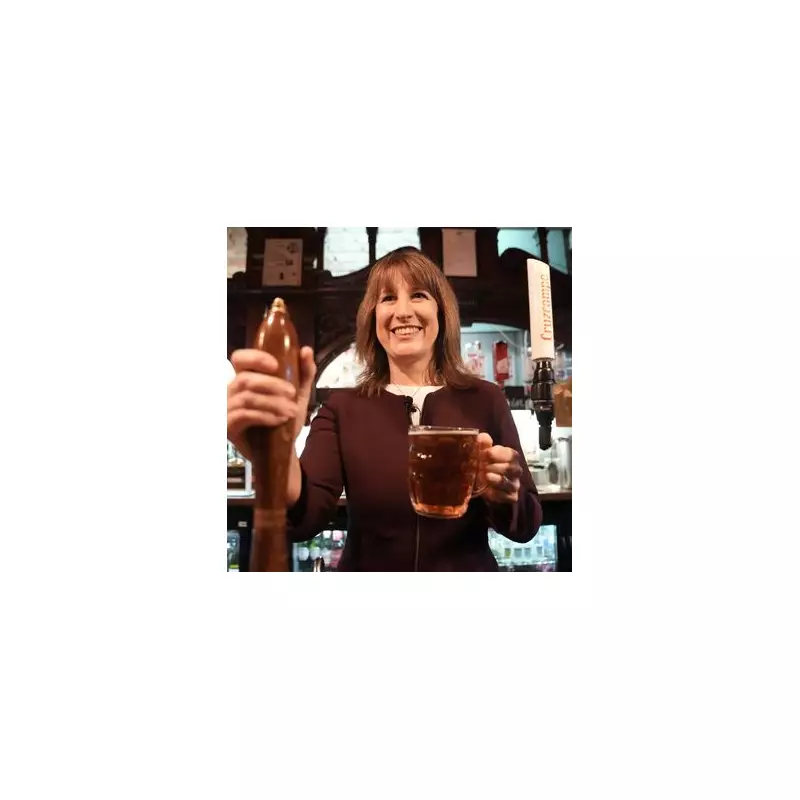
The announcement was symbolically marked by Chancellor of the Exchequer Rachel Reeves pouring a pint at the Goldsmith Arms pub in south east London. This visual demonstration of support comes after months of warnings from the hospitality industry that changes introduced in November's autumn budget could lead to widespread closures and significant job losses across the sector.
Treasury minister Dan Tomlinson confirmed that property tax bills for pubs and music venues in England will be reduced by 15% in the 2026/27 financial year, with rates then being "frozen in real terms" for the following two years. This intervention is expected to be worth approximately £1,650 for the average pub next year alone.

Mixed Reactions from Hospitality Businesses
While the targeted support has been welcomed by pub industry representatives, other hospitality businesses including hotels, restaurants and cafes will not receive additional assistance despite sharing similar concerns about escalating tax burdens. This selective approach has drawn criticism from some quarters of the industry who argue that the challenges facing hospitality extend beyond just the pub sector.
Peter Collie, landlord of The Horseshoe Inn near London Bridge, offered a nuanced perspective on the announcement. "A lot of people's business rates have gone up by huge amounts – 50%, 75% and some over 100%," he told the Press Association. "And for Rachel Reeves to come back and say just to pubs – restaurants and coffee shops have the same problem – 'we're going to give you 15%' is nice, but it's not anywhere near enough."
Broader Financial Pressures Remain
Mr Collie highlighted the cumulative impact of multiple financial pressures facing hospitality businesses. "The problem they have is that they just don't understand the damage they have done with the national insurance increase, now the business rates, which we haven't hit yet, and then you've got the minimum wage," he explained. "So 15% – it's better than getting a slap around the face with a wet cod, I suppose. But that's about all it is, really."
The Treasury's intervention follows an intensifying backlash from industry leaders and MPs regarding impending tax increases. This discontent has manifested in dozens of Labour MPs, including Chancellor Rachel Reeves herself, being barred from pubs by landlords in protest against November's budget measures.
Industry Warnings Prompt Government Action
The autumn budget had introduced changes to business rates that included a lower multiplier for calculating commercial property tax. However, this was more than offset by the removal of a Covid-era 40% discount for hospitality, leisure and retail businesses, combined with new property valuations that significantly increased many businesses' rateable values.
Industry bodies UKHospitality and the British Beer and Pub Association (BBPA) had warned that without intervention, pub business rates bills would increase by an average of 15% (approximately £1,400) in April, with projections suggesting an average rise of 76% (around £7,000) by the 2028/29 financial year.
Positive Response from Industry Representatives
Emma McClarkin, chief executive of the BBPA, welcomed the government's response to industry concerns. "We are pleased the Government has listened to our concerns, and those of publicans, consumers and MPs who rallied to defend our locals," she stated. "This pub-specific package will stave off the immediate financial threat posed by accelerating business costs and will help keep the doors open for many."

Mr Tomlinson emphasised that the support would extend to music venues as well, noting that "many are valued as pubs and it would not be right to draw the line" between the two sectors. He confirmed that the measures would result in the pub sector as a whole paying lower business rates by the 2028/29 financial year than they would have without intervention.
The business rates changes apply specifically to England, as business rates are devolved matters in Scotland, Wales and Northern Ireland, where separate arrangements may apply.