

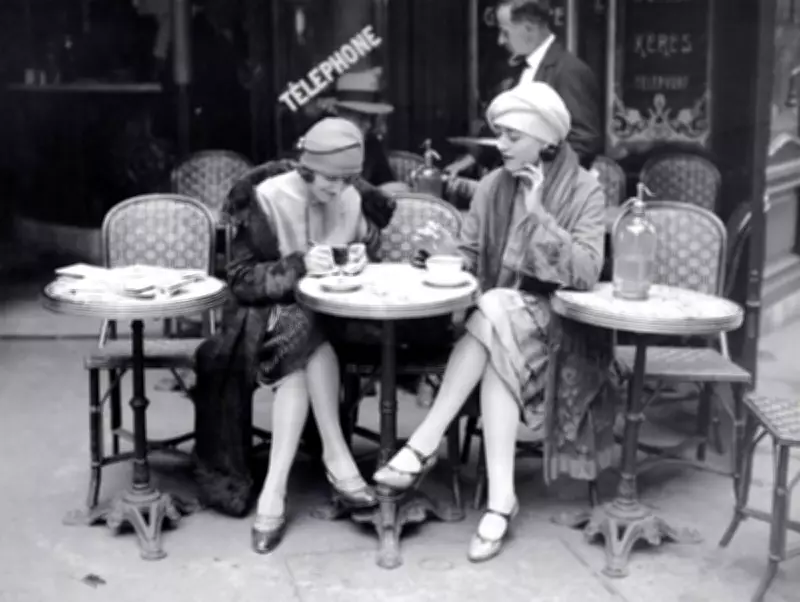
Paris Crowned Europe's Most Budget-Friendly Capital in 1926
In a remarkable shift for European travel, Paris emerged as the most affordable capital city for tourists in 1926, drawing unprecedented crowds seeking value and cultural enrichment. This development marked a significant departure from previous years, when the city was often associated with higher costs, and positioned Paris as a premier destination for budget-conscious travelers across the continent.
Unprecedented Tourist Influx
The year 1926 witnessed a dramatic increase in tourist arrivals to Paris, as word spread of its newfound affordability. Travelers from various European nations, as well as from farther afield, flocked to the city to experience its renowned landmarks, such as the Eiffel Tower and the Louvre, without the financial strain typically associated with such trips. This surge in visitation not only boosted local economies but also fostered a vibrant, international atmosphere in the French capital.
Factors Driving Affordability
Several key factors contributed to Paris's status as Europe's cheapest capital for tourists in 1926. Economic conditions in France, including favorable exchange rates and stabilized post-war recovery efforts, played a crucial role in reducing costs for visitors. Additionally, competitive pricing in the hospitality sector, with hotels and restaurants offering more accessible rates, made extended stays feasible for a broader range of tourists. This affordability extended to transportation and entertainment, further enhancing the city's appeal.

Impact on Local Culture and Economy
The influx of tourists had a profound impact on Parisian society and its economy. Local businesses, from cafes to souvenir shops, thrived as they catered to the growing number of visitors, creating jobs and stimulating economic growth. Culturally, the diverse mix of tourists enriched the city's social fabric, leading to increased cultural exchanges and a renewed global interest in French arts and heritage. This period is often cited as a pivotal moment in solidifying Paris's reputation as a must-visit destination for travelers worldwide.
Legacy and Historical Significance
The events of 1926 left a lasting legacy on Paris's tourism industry, setting a precedent for future efforts to balance accessibility with quality experiences. Historians note that this year helped democratize travel to the city, making it more inclusive for people from various socioeconomic backgrounds. As we reflect on this historical milestone, it underscores the importance of affordability in shaping tourist destinations and highlights Paris's enduring ability to adapt and attract visitors through changing times.






