

Birmingham's Cultural Renaissance: Peaky Blinders and Black Sabbath Lead the Way
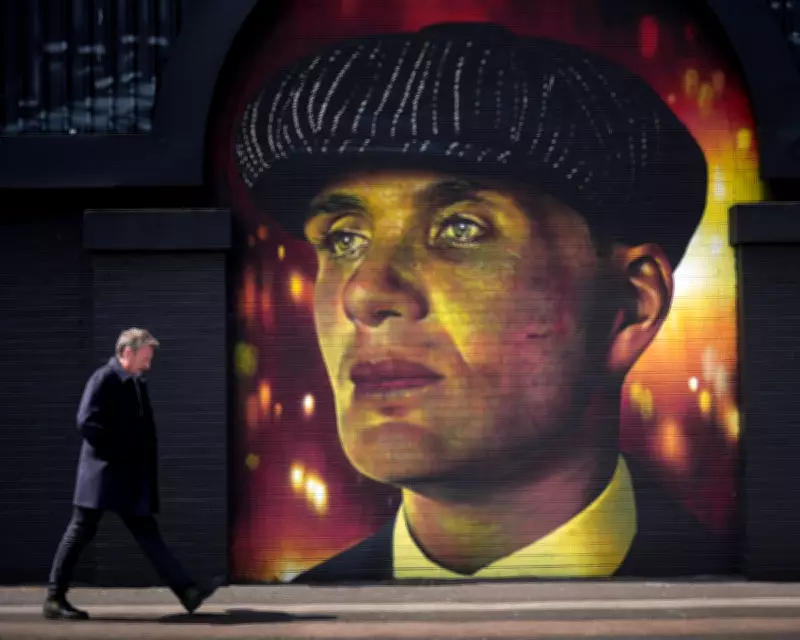
The release of the Peaky Blinders film The Immortal Man this week has ignited fresh interest in Birmingham's vibrant cultural scene. Screenwriter Steven Knight was recently photographed near a mural of the show's protagonist, Thomas Shelby, symbolizing the deep connection between the city and this iconic series. While much of the television drama was filmed in northern locations like Merseyside and Yorkshire, the new movie extensively utilized Birmingham and its surroundings, promising to boost local tourism significantly.
Shelby Murals and Sabbath Shrines: A Dual Pilgrimage
The phenomenal success of Peaky Blinders since its 2013 debut has already transformed Birmingham into a destination for fans. The Black Country Living Museum in nearby Dudley features authentic recreations of streets and workshops that appear in both the series and film, most notably as Charlie Strong's yard. At Digbeth Loc. Studios, where much of the new movie was shot, visitors can admire Peaky Blinders murals by artist Mr Murals. For a fully immersive experience, guided walking tours with actors portraying "Edward Shelby" offer insights into the gang's history, complemented by exhibits at the West Midlands Police Museum showcasing original artifacts and cells from the real-life Peaky Blinders era.
Simultaneously, Birmingham has become a hallowed ground for heavy metal enthusiasts. Following Black Sabbath's final concert at Villa Park last summer and Ozzy Osbourne's passing shortly after, landmarks dedicated to the band have gained new significance. Mr Murals' artwork on Navigation Street, signed by all four band members, stands as a tribute near New Street station. The Crown pub, where Sabbath played their inaugural gig and heavy metal was born from Birmingham's industrial soundscape, remains a historic site despite its closure. Additional murals outside Scruffy Murphy's rock pub and near Birmingham coach station in Digbeth, along with Black Sabbath Bridge on Broad Street—where Ozzy's family laid flowers during his funeral—complete this musical pilgrimage.

Where to Eat: From Casual Bites to Michelin Stars
Birmingham's culinary landscape is as diverse as its cultural offerings. John Bright Street serves as an excellent starting point, with brunch at indie cafe-bar Cherry Reds and sourdough pizza at The Stable. For a grungy, rock-themed experience, Bonehead on Lower Severn Street offers fried chicken favored by celebrities like the Osbournes and Slipknot. The Jewellery Quarter's Saint Paul's Market food hall features seven independent kitchens, including Persian, Indian, and Thai cuisines.
The city's fine dining scene has also flourished. Opheem made history as the first Indian restaurant outside London to earn a Michelin star in 2019 and now boasts two stars. The Wilderness, a goth-black restaurant in a former factory in the Jewellery Quarter, recently secured its first Michelin star, bringing Birmingham's total to five. Chef-owner Alex Claridge crafts modern British dishes with seasonal ingredients, paired with a heavy rock playlist to stimulate the senses.
Where to Drink: Traditional Ales and Craft Beer Revolution
Pub culture thrives in Birmingham, a city with deep brewing roots tied to Mitchells & Butlers and Ansells. Traditional pubs like The Craven Arms, The Jewellers Arms, and The Wellington serve classic ales such as M&B mild, often accompanied by a cheese and onion cob for an authentic West Midlands experience. The craft beer movement is equally vibrant, with Attic Brew Co.'s Intuition being a popular choice, available at their central taproom, The Barrel Store in Stirchley.

Nightlife: Irish Pubs and Experimental Music
Digbeth, Birmingham's original Irish quarter and former Peaky Blinders territory, is the heart of the city's nightlife. Pubs like Nortons, The Old Crown, Cleary's, and The Anchor offer excellent Guinness and traditional music sessions. This creative hub is also home to Capsule, an experimental concert promoter that brings unique musicians to the city. Their Supersonic festival, scheduled for April 25-26, takes over Digbeth venues, including Centrala, an arts center supporting migrant communities. For dancing, options range from northern soul at The Night Owl to house and jungle at venues like Dead Wax, Suki10c, Lab11, and Mama Roux's.
Stirchley: Hipster Hotspot for Cocktails and Breweries
A short train ride south of New Street station, Stirchley has emerged as a neighborhood of award-winning independents. Couch was recently named the UK's top cocktail bar, while Riverine Rabbit earned a Bib Gourmand from Michelin. Known as the city's beer hub, Stirchley hosts three major breweries—Attic, Birmingham Brewing Company, and GlassHouse—all with taprooms. The Stirchley Beer Mile connects these breweries with bottle shops and pubs, offering a leisurely exploration. Don't miss Deadbeat, a dive bar by Bonehead, serving Pabst Blue Ribbon on tap and hosting pizza pop-ups.
Where to Stay: Georgian Elegance and Modern Comfort
For accommodations, boutique hotel Saint Pauls House in the Jewellery Quarter provides comfortable rooms with waterfall showers on the city's last Georgian square. Alternatively, the modern Frederick Street Townhouse, connected to the popular Button Factory pub, offers a cozy stay. Both options highlight Birmingham's blend of historical charm and contemporary amenities, making them ideal bases for exploring the city's cultural treasures.





