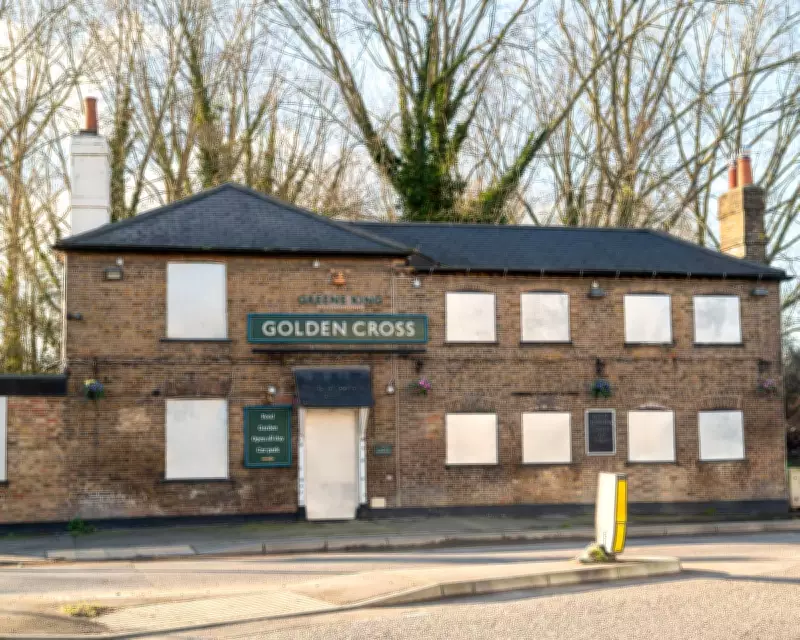
A recent report has ignited a contentious debate by arguing that pubs should not be granted special protections under UK planning laws. The study suggests that while pubs are often celebrated as vital community hubs, they should be subject to the same commercial pressures and regulations as other businesses, rather than receiving preferential treatment that may hinder economic development and urban planning.
Challenging the Status Quo on Pub Protections
The report contends that the current system, which often designates pubs as "assets of community value" or imposes restrictions on their conversion or demolition, can be overly restrictive. It argues that this special status may not always align with modern economic realities, where pubs face stiff competition from other leisure venues and changing consumer habits, such as the rise of home entertainment and online socialising.
Economic and Planning Implications
From an economic perspective, the report highlights that protecting pubs through planning rules can sometimes lead to underused or unviable premises being preserved unnecessarily. This, in turn, may block more productive uses of land or buildings, potentially stifling local regeneration efforts. The authors call for a more balanced approach that considers the broader economic impact, including job creation and investment opportunities that might arise from alternative developments.

Community Impact and Counterarguments
However, the report acknowledges the strong emotional and social ties many communities have to their local pubs. Critics of the findings argue that pubs play a unique role in fostering social cohesion, providing a space for interaction that is not easily replicated by other businesses. They point to examples where pub closures have left gaps in community life, particularly in rural or isolated areas where alternatives are scarce.
Looking Ahead: A Call for Evidence-Based Policy
The report concludes by urging policymakers to base decisions on robust evidence rather than sentiment. It recommends reviewing the effectiveness of current protections and considering whether they truly serve the public interest in the long term. This could involve more flexible approaches, such as temporary protections or incentives for pub owners to adapt their business models, rather than blanket restrictions.
As the debate continues, it raises broader questions about how the UK values its cultural heritage versus economic pragmatism in an evolving landscape.