

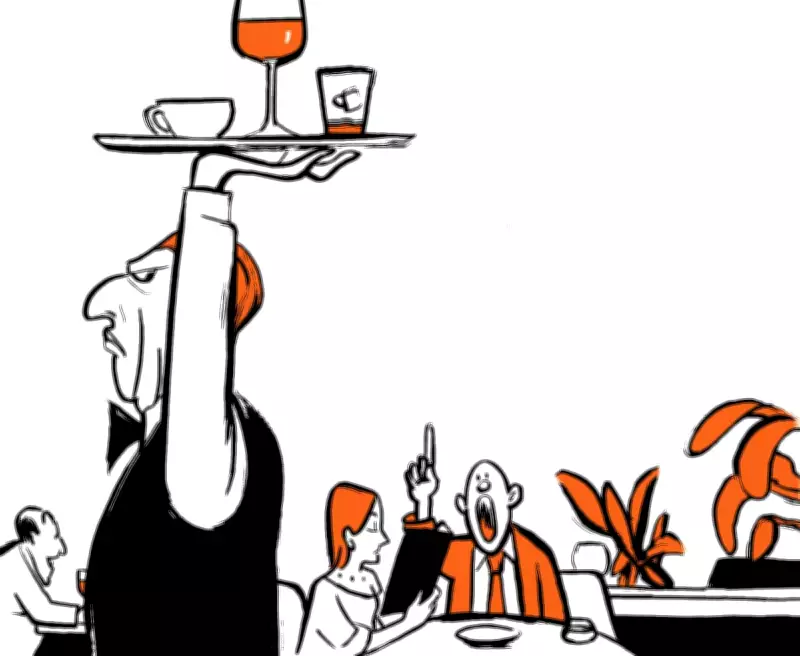
Restaurant Etiquette: A Server's 10 Rules for a Harmonious Dining Experience
The hospitality sector is currently navigating a turbulent landscape, marked by escalating rents, soaring VAT, and mounting staffing and utility expenses, compounded by broader socioeconomic challenges. In such a beleaguered environment, the last thing industry professionals need is friction from the very patrons they depend on. Here, an anonymous server offers candid guidance to ensure a pleasant meal for all involved.
Arrive as Booked
Before the pandemic, many restaurants hesitated to enforce cancellation policies, but times have changed. Just as you would forfeit funds for missing a concert or sports event, restaurants now commonly charge for no-shows or late cancellations. Even with such fees, establishments still lose out on potential drink revenue and service charges, making your commitment crucial.
Punctuality Matters
Restaurants operate as businesses with tight schedules. If you book a table for 7 PM and arrive thirty minutes late, do not be surprised or confrontational when staff need to prepare for the next reservation at 9 PM. Timeliness ensures smooth operations and respects the bookings of others.

Avoid Unhygienic Habits
It might seem unbelievable, but servers frequently encounter used chewing gum stuck beneath tables, even in upscale, Michelin-starred venues. Instead of resorting to such behavior, simply request a tissue or dispose of it properly in a bin. Treat the dining space with the same respect you would your own home.
Voice Concerns Promptly
Mistakes can happen in any setting, and hospitality staff are typically eager to resolve issues. If something is amiss, speak up clearly rather than offering a meek "fine" when asked. This openness often leads to satisfactory solutions, and you might even receive a complimentary item as a gesture of goodwill.
Refrain from Delayed Online Complaints
Avoid remaining silent during your visit only to post a negative review on platforms like TripAdvisor months later, perhaps after one too many drinks, criticizing a dish that is no longer available. Address concerns in real-time for a more effective resolution.
Communicate Dietary Needs Clearly
When booking, be upfront about any dietary restrictions. Restaurants do not possess limitless resources to accommodate every unique requirement instantly. Just as you would not demand a steak at a vegetarian eatery, do not expect a fully customized meal without prior notice.
Own Your Requests
If you order a steak well-done, acknowledge that it may result in a tougher texture. This outcome is a direct consequence of your choice, not the chef's error, so take responsibility rather than placing blame.
Let Staff Handle Clearing
While well-intentioned, attempting to clear tables yourself can disrupt the server's efficient workflow. Actions like handing over plates or stacking cutlery may seem helpful but often complicate the process. Trust the professionals to manage this task.
Simplify Bill Settling
Few scenarios are more awkward than watching adults meticulously debate individual shares of olives or bread slices before arguing over the bill. For larger groups, consider splitting the total evenly and settling differences privately later, avoiding time-consuming calculations during the meal.
Prioritize Respect
Some individuals mistakenly believe that rudeness is an effective strategy for getting their way. However, disrespectful behavior, such as raising your voice or treating staff as servants, is unlikely to encourage extra effort from the team. Courtesy fosters a positive atmosphere for everyone.
By adhering to these guidelines, diners can contribute to a smoother, more enjoyable experience in UK restaurants, supporting an industry under significant strain.






