

The Romantic Revival of Tintern's Royal George Hotel
Nestled in the picturesque village of Tintern on the banks of the River Wye, the recently refurbished Royal George hotel has reopened its doors after an extensive two-year renovation. This historic coaching inn now provides visitors with an ideal base for exploring the rich cultural and natural landscapes of Monmouthshire, a region long celebrated by artists and poets.
A Legacy of Inspiration and Artistry
Standing within the majestic ruins of Tintern Abbey, one can immediately sense the profound magic that has captivated generations. This small Monmouthshire village and its iconic abbey have held an outsized place in cultural history, inspiring luminaries such as JMW Turner, Gainsborough, Samuel Palmer, Wordsworth, and Tennyson. During a visit, as clouds swept through the skeleton arches of the abbey, the words of Allen Ginsberg's Welsh Visitation echoed, highlighting the timeless allure of this site. The abbey's vast nave, especially under the dramatic interplay of rain and sunset, offers a truly special experience that continues to draw literary and artistic travelers.
Tintern's fame was cemented in the late 18th century with travel writer William Gilpin's 1782 book, Observations on the River Wye. Gilpin's concept of the picturesque—landscapes valued for their rugged beauty—sparked the creation of the Wye Tour, one of Britain's earliest package trips. Today, Tintern remains a destination not only for those seeking aesthetic inspiration but also for hillwalkers and canoeists who appreciate the area's stunning geography.

The Royal George: A Nautical and Historical Gem
In contrast to the area's national reputation for Romanticism, the Royal George hotel draws inspiration from local history and craftsmanship. A building has occupied this site since the 16th century, originally serving as the village forge owner's home. The inn, renamed the Royal George in 1829, reportedly incorporates timbers salvaged from the warship HMS Royal George, which sank in 1782 in one of Britain's worst maritime disasters. Designer Camilla Kelly, who led the refurbishment, discovered a ship's bell bearing the insignia of HRH George VI, now used to signal last orders in the hotel bar, adding a unique nautical touch.
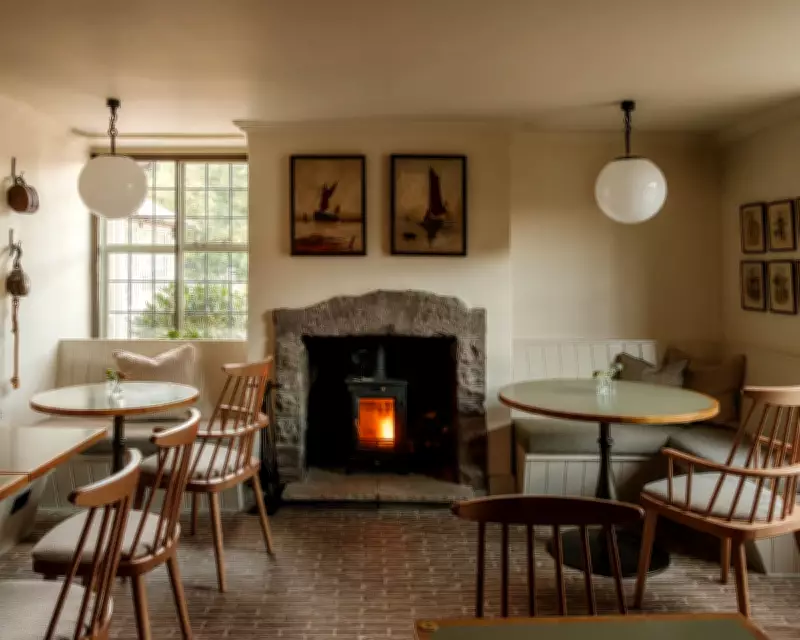
The renovation preserves charming historical elements, such as exposed paving flags and beams dating back to the 1600s, along with wonky walls and low ceiling beams. However, unlike many rustic or shabby chic country hotels, the Royal George exudes a smart and well-curated ambiance. Its 20 bedrooms and dining rooms feature vintage furniture, reflecting Kelly's upbringing in nearby Abergavenny with parents in the antiques trade. The hotel is defined by beautiful blankets and textiles from the renowned Pembrokeshire Melin Tregwynt mill, metalwork art by local blacksmith Mark Lumley, and ornaments from Baileys Home, a popular interiors shop in Bridstow.
Culinary Excellence and Community Spirit
The Royal George has quickly become a hub for both locals and visitors, thanks to its exceptional food and welcoming atmosphere. The Upper Deck restaurant, with its nautical theme, attracts families from the surrounding area for celebration meals, while the Lower Deck pub dining room buzzes with a mix of local residents and tourists. The menu emphasizes locally sourced ingredients from farmers, growers, and foragers, with imaginative vegetarian options. During a stay, a special Sunday lunch featured a magnificent brie parcel, inspired by a sample from a local cheesemaker that chef Gareth Hope couldn't resist adding. Welsh wines, such as the sparkling Velfrey and White Castle pinot noir, are highly recommended.
Chef Hope cherishes the hotel's community ties, exemplified by an incident where a regular retrieved a lost parcel containing £450 worth of caviar during a storm. Despite its upscale offerings, the Royal George remains accessible, with mains in the Lower Deck starting at £14 and garden room rates from £135 per night.

Exploring Tintern's Hidden Treasures
To walk off the delightful meals, the 5-mile Angidy trail offers a fascinating journey through Tintern's often overlooked industrial history. Before becoming a tourist attraction, the village was renowned for its iron wire, housing Wales' largest industrial enterprise in 1600. Remnants of furnaces, waterwheels, and workers' cottages dot the Angidy valley, nestled among hazel trees and larches. The ruins of St Mary's church, built in the 13th century by Cistercian monks on a site dating to the 5th century, feature impressive tombstones, including one shaped like a wine cooler, and offer stunning views of the Wye.
For a different experience, a visit to Baileys Home is a must. This expansive homeware store, owned by designers Mark and Sally Bailey, fills barns, cowsheds, stables, and lofts with antiques, vintage pieces, and handmade furniture. Shoppers can find smithy-made coat hooks and organic sheep's milk soap for under ten pounds, or test bespoke sofas.
Whether indoors at the Royal George or outdoors exploring the landscape, Tintern represents a very special corner of Wales. While it gained fame as a muse for visiting artists, the area's deeper stories—from industrial heritage to community spirit—await discovery by those who venture here.





