Solo Female Traveler's India Journey: Key Mistakes and How to Avoid Them
Having spent over six months exploring India across three separate trips, I consider it one of my most cherished destinations globally. My journeys have included solo adventures, travels with an ex-boyfriend, and group tours, each offering a unique perspective on this endlessly fascinating country. My initial visit, concluding a year-long global expedition, left me utterly captivated by India's vibrant culture and stunning landscapes.
I was awestruck by the meticulously hand-carved Ellora Caves in Maharashtra, found profound peace at Amritsar's Golden Temple, and developed a deep affection for the Himalayas while wandering through Dharamshala's cooler climates. The vivid colors, lively festivals, deep religious devotion, and exquisite cuisine made every day of that two-and-a-half-month adventure unforgettable, leaving me craving more.
A subsequent brief trip to review a detox center in Goa presented a much mellower side of India, distinct from my previous experiences, prompting a swift desire to return. And return I did, this time embarking on a two-month solo journey focused on Delhi, Kerala, Tamil Nadu, and Hyderabad.

Is India Suitable for Solo Female Travelers?
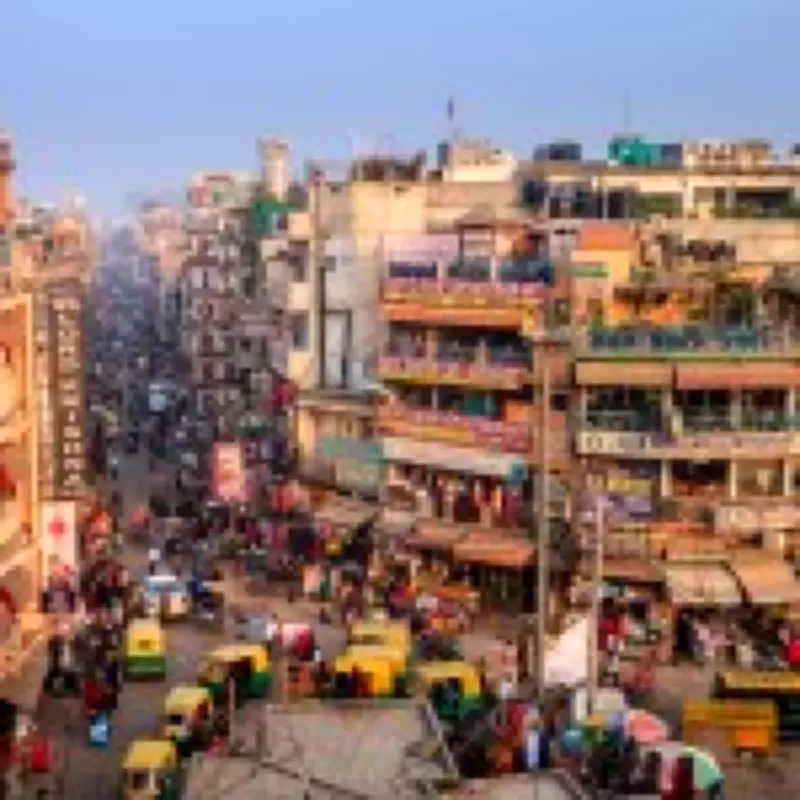
Travelling solo in India as a woman offers a markedly different experience compared to having companions, a sentiment echoed by many of my Indian-born friends. Upon arriving at Delhi's Indira Gandhi International Airport, the overwhelming chaos, noise, and pollution hit me with full force, reminding me of the need for heightened awareness and preparation. This isn't to discourage solo female travel in India but to emphasize that it requires careful planning and cultural sensitivity.
Here are the critical mistakes I made during my solo trip, along with actionable advice to help you navigate India more safely and enjoyably.
Travel Mistakes in India and How to Avoid Them
Not Securing Accommodation Ahead of Arrival
While backpacking with my ex, we often booked accommodations spontaneously, inspecting places for cleanliness upon arrival. However, as a solo female traveler in India, this approach carries significant risks, especially during festivals and public holidays when towns can fill rapidly. I learned this lesson painfully during Gandhi Jayanti on October 2, arriving in Hampi to find all rooms booked for the long weekend. Fortunately, I teamed up with fellow travelers from the train to secure basic straw huts in a family's garden, an experience that underscored the importance of advance bookings.
Wearing a Dress
Respecting local dress norms is crucial, particularly for solo women. Throughout my trip, I generally dressed modestly in loose trousers and long-sleeved tops, but one lapse in Pondicherry led to immediate discomfort. Wearing a cap-sleeved, knee-length dress on a hot day, I faced unwanted photography attempts and street harassment, a deeply intimidating experience alone. This reinforced that conservative attire is essential for safety and respect.
Not Breaking Up Travels with Tourist Hot Spots
Eager to explore off-the-beaten-path destinations, I initially avoided tourist areas, but after a month, the isolation became burdensome. Limited interaction with other travelers and cultural barriers made connections challenging. Incorporating well-trodden stops like Fort Kochi and Puducherry, along with choosing homestays, transformed my experience. Staying with a local couple in Hyderabad, who shared their favorite street food and city spots, created one of my most memorable moments.
Eating Meat
India offers some of the world's best culinary experiences, but my visits have consistently ended with food poisoning. On my first trip, severe illness led to hospitalization, manageable with a companion. Solo, however, falling ill involved a harrowing ordeal of vomiting, hospital visits, and lonely recovery. Undercooked chicken from seemingly clean restaurants was often the culprit. Now, I prioritize vegetarian dishes, with occasional fish in coastal areas, while enjoying street food from busy stalls, which has never caused issues.
Not Being Firm Enough with Taxi and Rickshaw Drivers

Confidence is key when dealing with taxis and rickshaws. Always insist on using meters or app-based rides to avoid inflated fares. Some drivers may stop to pick up friends mid-journey, which can feel unsettling alone. Learn to assertively say no and exit if a situation feels unsafe, finding alternative transportation promptly.
Arriving Without a Money Reserve
While India is affordable for budget travelers, having a financial safety net is vital for solo journeys. I encountered pre-booked accommodations with issues like broken locks or unclean rooms, necessitating last-minute, costlier alternatives. Savings allowed me to prioritize safety over budget constraints, ensuring peace of mind.
Allowing Everyone to Take a Photo
Being asked for photos is common in India, often out of curiosity, but it can feel uncomfortable when approached by groups of men while alone. Trust your instincts; if uneasy, quickly remove yourself by entering shops or positioning near other women for security.
Not Arriving at the Next Destination Before Nightfall
Transport delays sometimes led to arrivals after dark, such as a chaotic night in Bangalore where a tuk-tuk driver took unlit paths, causing high anxiety. Though it was for a bathroom break, the experience prompted me to travel earlier in the day to minimize stress and enhance safety.
Insider Tips and Tricks for India Travel
- Read up on India's history, religions, and culture before arrival. Recommended books include A Fine Balance by Rohinton Mistry, The God of Small Things by Arundhati Roy, and Nine Lives by William Dalrymple.
- Prepare to haggle in markets but be generous where possible.
- Purchase a local SIM card to stay connected at all times.
- Be cautious of individuals going out of their way to help, as scams targeting solo travelers exist, though most locals are kind and genuine.
- Avoid drinking tap water to prevent illness.
- Always practice respect and compassion, avoiding exploitation of local circumstances for social media content.
Kindness, understanding, and preparation form the foundation of meaningful travel experiences in India, ensuring both safety and cultural enrichment.