

The Noma Fallout: A Symptom of a Broken Fine Dining System
The fine-dining world has been gripped by the scandal at Noma, where chefs have spoken out about physical violence and emotional abuse allegedly perpetrated by head chef René Redzepi at his Copenhagen restaurant. Protests erupted in Los Angeles ahead of a four-month pop-up opening this month, and Redzepi has stepped away from the business, though his apology was criticized for lacking full accountability. This raises a critical question: will this moment force a reckoning in an industry long plagued by ultra-pressure and exploitation?
Moving Beyond the Redzepi Drama to Address Systemic Issues
While justice for the affected chefs is paramount, the focus must shift from vilifying Redzepi to examining the system that enables such abuse. Profit margins, unrealistic demands from wealthy patrons, media negligence, and stark gender disparities all contribute to toxic kitchen environments. Award programs, particularly the Michelin Guide and World’s 50 Best Restaurants, wield immense power yet often overlook basic labor standards in their criteria.
Without reforming how greatness is measured, meaningful change remains elusive. These awards should incorporate labor practices into their evaluations, but currently, they do not. A former Michelin inspector admitted that labor practices are not a consideration, while World’s 50 Best only "strongly encourages" voters to consider staff treatment without a formal checklist.

The Exploitation of Unpaid Labor and Its Consequences
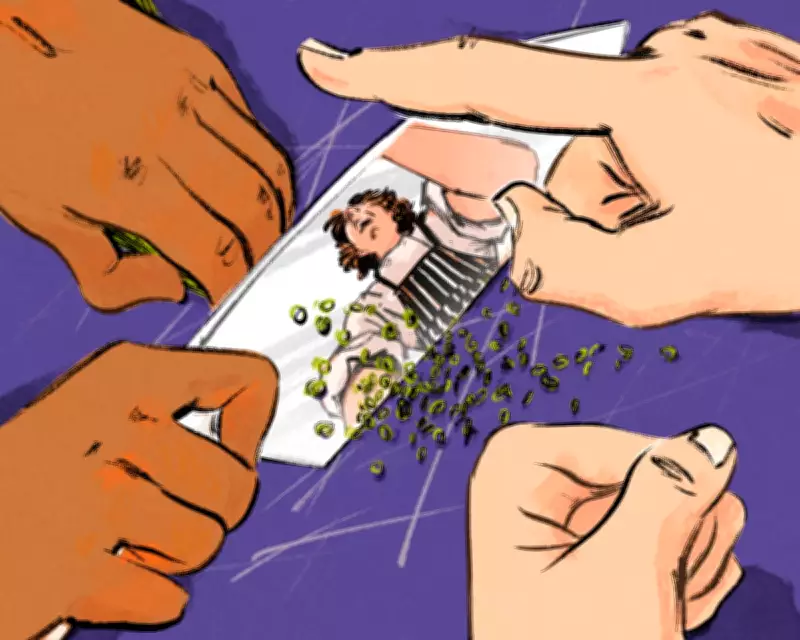
Unpaid internships, known as "stages," are rampant in top restaurants. At a restaurant ranked on both Michelin and World’s 50 Best lists, an army of stages washed vegetables and picked herbs in silence, learning little while working for free. One chef described repeating the same task 1,000 times, bored by the 100th repetition, yet enduring 900 more under shouted commands—all without pay.
Restaurants leverage this unpaid labor to meet high standards, as inspectors reward the labor-intensive results without questioning the source. This creates an uneven playing field, akin to the Olympics without anti-doping policies, where ethical restaurants often bear higher costs.
Beyond Stages: Low Pay and Toxic Workplaces
Exploitation extends beyond stages to paid employees. Eric Huang, a former sous chef at Eleven Madison Park, reported a take-home pay of about $700 per week after taxes for 70 hours of work. In London, chefs face similar issues, with some working 70-hour weeks in environments rife with racist and sexist remarks, while others find more humane conditions—yet both may hold the same Michelin star.
There is no reliable platform like Glassdoor for kitchen workers, leaving many to rely on whisper networks for honest assessments. This lack of transparency allows abusive practices to persist unchecked.
Potential Solutions and the Path Forward
If awards won’t adapt, diners and the industry must reduce their influence. Initiatives like Home Hospitality in London, which partners only with restaurants adhering to fair work standards such as paying the London living wage, offer a model for change. VERiFAIR, an upcoming accreditation program, will consider restaurant policies and anonymous reports to promote accountability.
Speaking up in kitchens often leads to being labeled as difficult, but this narrative must be reversed. True brilliance cannot be built on exploitation. As the industry grapples with these issues, it’s clear that systemic reform, not just individual accountability, is essential for a healthier future in fine dining.






