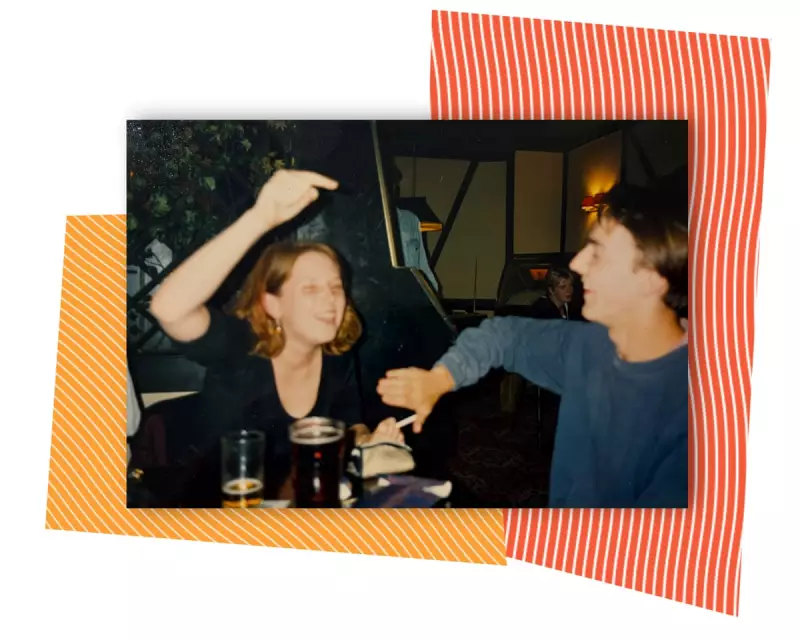
For many, a local pub is more than just a place for a drink; it's a formative backdrop to youth. For writer Viv Groskop, that place was The Blue Ball in Bruton, Somerset, in the early 1990s. It was here, amidst the fug of cigarette smoke and the clink of cheap glasses, that a landlord's unusual summer gamble taught her a lasting lesson about seizing joy.
A Teenage Sanctuary with Two Bars
Growing up in Somerset, Groskop and her friends had a choice of several pubs on the high street. They gravitated towards The Blue Ball, not for illicit underage drinking—the pub was strict—but because its unique layout offered a sense of belonging. The establishment boasted two separate bars. To the right was the domain of 'saddos and old people' (anyone over 20). To the left was the brighter, airier space claimed by the teenagers, who could only afford lime and soda.
This segregation was rarely breached, though solemn conversations like relationship break-ups were diplomatically held in the 'elderly' area. The atmosphere in both rooms was thick with smoke, a common feature a decade before the indoor smoking ban, with Superkings favoured on one side and Silk Cut on the other.

From Pot Washer to Barmaid: A Summer of Firsts
Groskop's first job at the pub was in the back kitchen, elbow-deep in scalding water as a washer-upper, saving for driving lessons. There was a promise of bar work if she proved herself, leading to her eagerly rehearsing the phrase 'Ice and a slice with that?' ahead of her 18th birthday in the summer of 1991. Her promotion coincided with the landlord's most audacious plan: to host Christmas in July.
Initially, the scheme seemed a cynical cash-grab to offset the low revenue from the 15p-drink crowd. During one of the driest summers on record, with temperatures hitting 20C, the left-hand bar was decked with crumpled gold streamers and boxes of party poppers sat beside bottles of Taboo and Mirage.
The Magic of Midsummer Merriment
On the first shift of the festive experiment, Groskop and the other barman silently pulled crackers and grimly donned paper hats as the opening beats of 'Do They Know It's Christmas?' played. Yet, against all odds, the concept was a roaring success. 1992 was a fallow year for the nearby Glastonbury Festival, and a crowd of bored teenagers awaiting A-level results were ripe for diversion.
Suddenly, every night felt like a Saturday night. Those old enough to drink legally upgraded from lime and soda to snakebite and black. The paper hats, once an object of mild embarrassment, became coveted items. The event tapped into a pent-up need for celebration, proving that joy could be manufactured with a little imagination.
The experience left a profound mark. That summer at The Blue Ball taught Viv Groskop that life is what you make it. You can build a moment of connection and festivity, and people will come. It was a lesson in the alchemy of atmosphere and the enduring truth that, sometimes, joy is simply waiting on tap, if you only give people a reason to turn it on.