

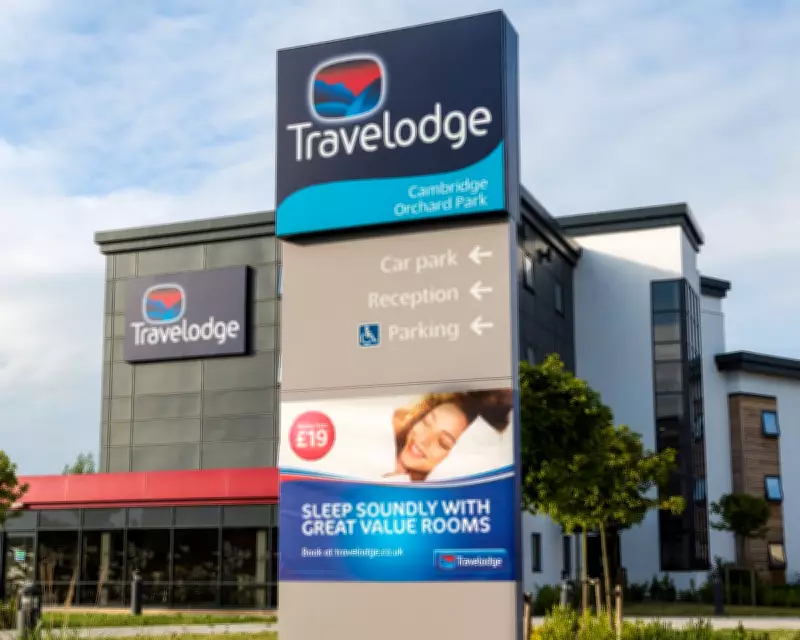
Travelodge Faces Scrutiny Over ID Policy After Turning Away Vulnerable Guests
Travelodge has come under fire after staff at its Cambridge Orchard Park location refused accommodation to two young women late at night, citing insufficient identification to prove they were over 18. The incident has sparked outrage and raised questions about the hotel chain's policies regarding vulnerable guests.
The Distressing Nighttime Ordeal
The two sisters, aged 20 and 22, arrived at the Travelodge after a long journey, expecting to check into their pre-booked room. The 22-year-old has autism and requires carefully planned itineraries and companionship when traveling. Despite presenting their rail and student cards, both of which displayed their dates of birth, hotel staff refused to accept these documents as valid proof of age.
Their mother, who wishes to remain anonymous, immediately contacted the hotel and offered to scan and send copies of their passports. This offer was also rejected. The customer service helpline proved equally unhelpful, leaving the young women stranded as the clock approached 10 PM with nowhere else to go.

"How could anyone think it acceptable to turn vulnerable young women, far from home, out into the street at night?" the mother wrote in her complaint. Eventually, a friend drove a considerable distance to Cambridge to provide them with shelter.
Travelodge's Controversial ID Requirements
Travelodge, like many hotel chains, maintains a policy that unaccompanied guests must be over 18. However, the requirement for official government-issued photo identification is buried within the terms and conditions, accessible only by clicking through and reading the fine print. During the booking process, customers must tick a box confirming that at least one party member is over 18, but there is no explicit mention of ID requirements at this stage, nor in the booking confirmation email.
This lack of clear communication is particularly concerning given that Travelodge reserves the right to turn away guests without a refund if they appear young. Consumer advocates argue that the chain should prominently highlight the importance of bringing a passport or driving license to avoid such situations.
A Pattern of Problematic Practices
This is not an isolated incident for Travelodge. Several readers have reported similar experiences, including being sent on late-night, miles-long journeys after the chain double-booked rooms. While those guests were eventually accommodated elsewhere, the Cambridge case resulted in vulnerable individuals being left without shelter.
The ban on under-18s is company policy rather than a legal requirement, leading critics to argue that staff should have exercised discretion and accepted the alternative identification offered by the young women and their mother.
Corporate Response and Ongoing Concerns
Travelodge has since apologized and issued a refund to the family, though the mother reports that the refund arrived without any accompanying communication. When questioned about why the ID requirement is not made clearer to customers, the company declined to provide specific answers.
"As Travelodge only recognizes official government photo ID, the team were unable to accept any alternative identification in this instance," a company spokesperson stated, defending the decision to turn the women away.
The incident highlights broader issues within the hospitality industry regarding customer service, policy transparency, and the treatment of vulnerable guests. Consumer rights organizations continue to monitor such cases, emphasizing the need for clearer communication and more compassionate application of hotel policies.






