

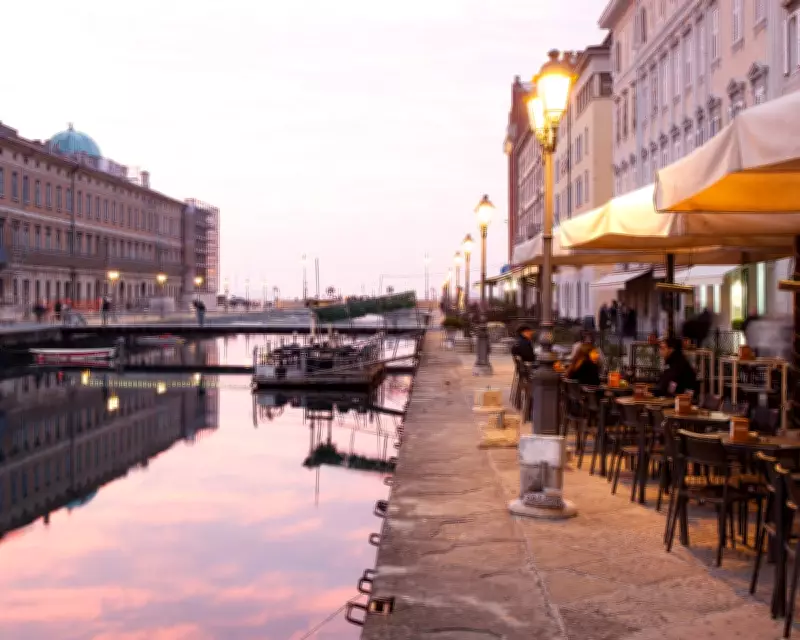
Trieste: Italy's Hidden Culinary and Cultural Gateway
Trieste, often described as one of Italy's most outward-looking and dynamic cities, offers a unique blend of history, culture, and gastronomy. Located in northeastern Italy, this historic port city serves as a cosmopolitan gateway to global flavors and traditions, yet remains largely undiscovered by mainstream tourism. Its strategic position, pressed by the Adriatic Sea and enveloped by Slovenia and the Karst hills, has shaped a rich, multifaceted identity that is vividly reflected in its architecture, dialect, literature, and, most notably, its food culture.
A City Shaped by History
Trieste's complex past includes Roman colonization, Venetian raids, four centuries under Habsburg rule from Vienna, and eventual integration into Italy in 1954. This history of assimilation has created a city that digests and incorporates diverse influences, resulting in a vibrant and intriguing cultural tapestry. The city's food scene, in particular, stands out as one of the most rewarding in Italy, blending Italian, Austro-Hungarian, Slovenian, and Croatian elements.
Coffee Culture Rooted in Tradition
The foundation of Trieste's coffee culture dates back to 1719 when Charles VI declared it a free port, facilitating the import of coffee beans from Ethiopia and Yemen. This led to the establishment of aromatic roasting facilities and the emergence of cafes designed in the style of Viennese Kaffeehäuser. Today, historic cafes like Caffè Stella Polare and Antico Caffè San Marco thrive, preserving literary connections to figures such as Italo Svevo, James Joyce, and Franz Kafka. The port still handles 50% of Italy's coffee bean imports, ensuring the city perpetually tastes of salt and smells of coffee.

The Art of the Snack: Femo un Rebechin
A beloved local tradition, femo un rebechin—meaning to have a snack—originates from the city's seaport workforce. Buffets like Da Pepi and L'Approdo serve hearty mid-morning meals, such as il bollito misto (boiled pork with potatoes, kraut, and horseradish) or prosciutto rolls. This habit of snacking permeates daily life, offering everything from morning beer and rolls to evening wine and toast with toppings like whipped salt cod or Austrian-style cheese spreads.
Culinary Highlights and Must-Visit Spots
- Caffè Stella Polare: A historic cafe with cherry wood bars and literary ghosts, ideal for a gocciato (espresso with foamed milk).
- Pagna: A contemporary bakery offering long-fermented breads and speciality coffee in a converted Austro-Hungarian warehouse.
- Antica Trattoria Menarosti: Established in 1903, this restaurant focuses on fresh seafood from the Gulf of Trieste, with daily changing menus.
- Da Pepi: The oldest buffet in Trieste, famous for its boiled pork platters and freshly grated horseradish.
- SET: A deli highlighting rare regional products, such as cheeses from the Friuli Venezia Giulia area.
- La Pasticceria Pirona: An art deco pastry shop dating to 1900, known for Austro-Hungarian treats like presnitz and strudel.
Beyond Food: Exploring Trieste
Trieste's attractions extend beyond its culinary scene. Piazza Unità d'Italia, Europe's largest sea-facing square, offers stunning views and links the historic Borgo Teresiano district with the older town. Cultural sites include the Revoltella Museum, Miramare Castle, and the Barcolana regatta in October. For shopping, visit VUD for wooden crafts or Knulp for books and cultural events. The city also provides access to natural wonders like the Grotta Gigante cave and scenic walking trails in the Karst hills.
Travel Tips and Logistics
Ryanair and Lufthansa offer flights to Trieste, with train and ferry options available for longer journeys. Accommodations range from art-filled hotels like L'Albero Nascosto to elegant B&Bs such as Residenza le 6A. When ordering coffee, remember that un nero means espresso, and un capo is a macchiato, while cappuccino is rare in traditional Trieste cafes.

Trieste's unique position as a cultural and culinary crossroads makes it a must-visit destination for those seeking an authentic Italian experience beyond the usual tourist paths. Its ability to blend history with modernity ensures every visit is both enriching and delicious.





