

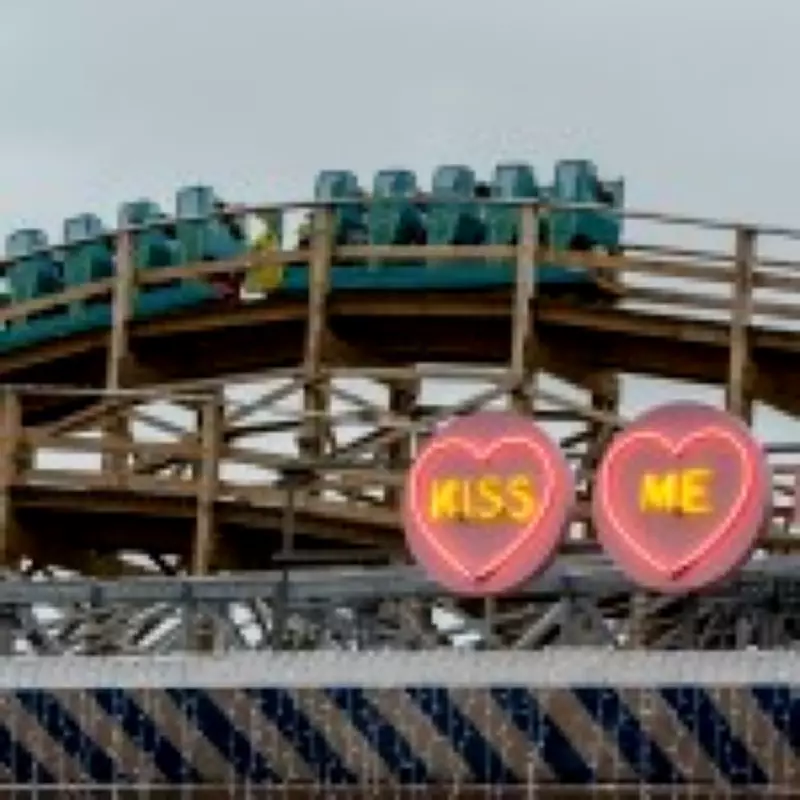
UK's Oldest Rollercoaster to Cease Operations After More Than a Century
The United Kingdom's oldest rollercoaster, the iconic Scenic Railway at Dreamland in Margate, is set to close its doors forever, marking the end of an era for thrill-seekers and heritage enthusiasts alike. This historic attraction, which has been delighting visitors for decades, will no longer operate as a functional ride, according to recent announcements from theme park management.
Dreamland's Vision for the Future of the Historic Structure
Dreamland bosses have confirmed they are actively exploring alternative uses for the Grade II*-listed structure, emphasising that this closure represents not an ending but a new beginning. In a public statement released this week, a Dreamland spokesperson elaborated on their plans, stating: 'The Scenic Railway has completed its journey as a rollercoaster and will now take well-earned retirement from operation as a ride. We are committed to developing a new long-term vision that will not only showcase this remarkable structure but reimagine its purpose so it can continue to be enjoyed by future generations in a fresh and meaningful way.'
The theme park, which is owned by music entertainment giant Live Nation, has announced plans to host a special exhibition this summer dedicated to the rollercoaster's rich history. Additionally, they are inviting fans and the public to contribute ideas on how best to honour this wooden marvel, which first opened its tracks in 1920, making it the fourth oldest rollercoaster in the world.

Technical Challenges and Safety Concerns Lead to Closure Decision
Live Nation has revealed that the decision to wind down the rollercoaster's operational life followed an extensive consultation process involving multiple stakeholders. This included detailed discussions with the Health and Safety Executive and thorough inspections conducted by external ride consultants. The Scenic Railway has been out of service since August 2024 due to a significant carriage fault that caused substantial damage to the wooden track structure.
Throughout its long and storied existence, the rollercoaster has faced numerous challenges, including two devastating fires in 1948 and 2008, the latter of which destroyed approximately 40 percent of the ride. Despite undergoing extensive repairs and rebuilding projects over the decades, recent technical assessments have apparently concluded that continued operation as a ride is no longer viable.
Local Council Opposition and Heritage Protection Concerns
Thanet District Council has expressed strong disappointment regarding Dreamland's decision, with councillors actively calling for the closure to be reconsidered. The council has emphasised that any proposed alterations or changes to the use of this Grade II*-listed structure would require formal planning permission and listed building consent, including consultation with Historic England.
In their official response, council representatives stated: 'Any application submitted will need to evidence why its operation as a ride is no longer viable, including the technical reports that have led to this conclusion. While the council was informed of the decision in advance, councillors have asked to see more details of the issues, as this is a matter of such local importance.'
Community Outrage and Historical Significance
Local councillor Rob Yates has been particularly vocal in his criticism, describing himself as 'absolutely fuming' about the planned closure. Speaking to KentOnline, Councillor Yates challenged the rationale behind the decision, noting: 'The information as a councillor that I've received is that the railway needs five hours of inspection each day, and I've had it confirmed that there's no evidence being given to the council to back this up. This is not just historical for Kent, it's historical for the world as a wooden roller coaster.'
The councillor further emphasised the broader implications for Dreamland's identity, arguing that removing this iconic attraction fundamentally undermines the traditional theme park experience that has characterised the venue for generations.

As Dreamland moves forward with its plans to repurpose this historic structure, the coming months will likely see continued debate between park management, heritage authorities, and local community representatives about the best way to preserve and celebrate this unique piece of British amusement history while ensuring public safety and structural integrity.





