The United States faces significant economic repercussions from proposed border security measures that would scrutinise the social media accounts of international visitors, according to new research from the World Travel & Tourism Council.
Survey Reveals Widespread Travel Concerns
A comprehensive survey commissioned by the WTTC has revealed that approximately one-third of international travellers would be less inclined to visit the United States if authorities implement plans to examine visitors' social media histories and family backgrounds. The research, which interviewed travellers from numerous countries participating in the Electronic System for Travel Authorization programme, suggests these security measures could have immediate consequences for American tourism.
Substantial Economic Consequences Forecast
The economic modelling accompanying the survey indicates potentially severe financial impacts. Tourism spending could decrease by an estimated $15 billion (£10.8 billion), with approximately 157,000 jobs at risk across the United States' travel and hospitality sectors. This represents a significant blow to an industry that remains below pre-pandemic recovery levels, with March 2025 international arrivals still 13.6% lower than those recorded in March 2019.

Proposed Security Measures Explained
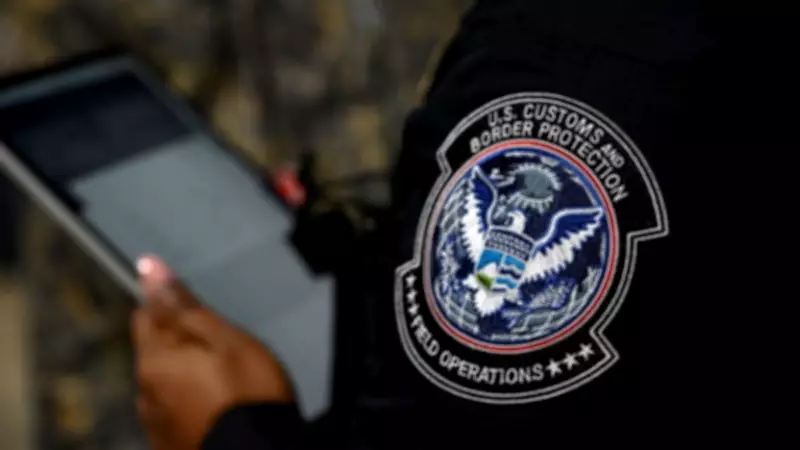
US Customs and Border Protection has outlined plans to collect five years' worth of social media information from travellers from selected nations, including the United Kingdom, who qualify for visa-free travel through the ESTA system. The proposed requirements would extend to requesting telephone numbers used over the previous five years, email addresses from the past decade, and additional details concerning family members.
Administration Defends Security Priorities
President Donald Trump has defended the proposed measures, emphasising security considerations over potential economic impacts. "We want safety, we want security, we want to make sure we're not letting the wrong people come into our country," he stated during a White House event when questioned about possible effects on tourism. The administration has not specified what particular content officials would be seeking within social media accounts or why such extensive personal information is necessary.
Industry Leaders Voice Serious Concerns
Gloria Guevara, President and CEO of the World Travel & Tourism Council, has expressed significant apprehension about the policy's potential consequences. "Security at the US border is vital, but the planned policy changes will damage job creation, which the US administration values so much," she cautioned. Guevara highlighted that the projected job losses would roughly equal the number typically created each quarter across the United States.
The WTTC leader further warned that "even modest shifts in visitor behaviour, discouraged by the planned changes, will have real economic consequences for US travel and tourism, particularly in a highly competitive global market." The organisation has urged American policymakers to thoroughly evaluate the policy's potential ramifications for employment and economic stability.
Broader Implications Beyond Economics
The intensified focus on social media screening has raised concerns among immigration advocates and free speech organisations, who question the administration's underlying intentions and whether such measures might target government critics. With travel and tourism supporting one in ten jobs globally and serving as a crucial driver of international connectivity, the proposed changes extend beyond immediate economic considerations to touch upon fundamental issues of privacy and expression.
As the debate continues, the research indicates that awareness of the potential policy changes is already widespread, with two-thirds of surveyed travellers familiar with the proposals. This suggests that any implementation could rapidly influence travel decisions, potentially accelerating the forecast economic impacts on America's tourism sector.