

Victoria Announces Entry Fees for Twelve Apostles to Combat Overtourism
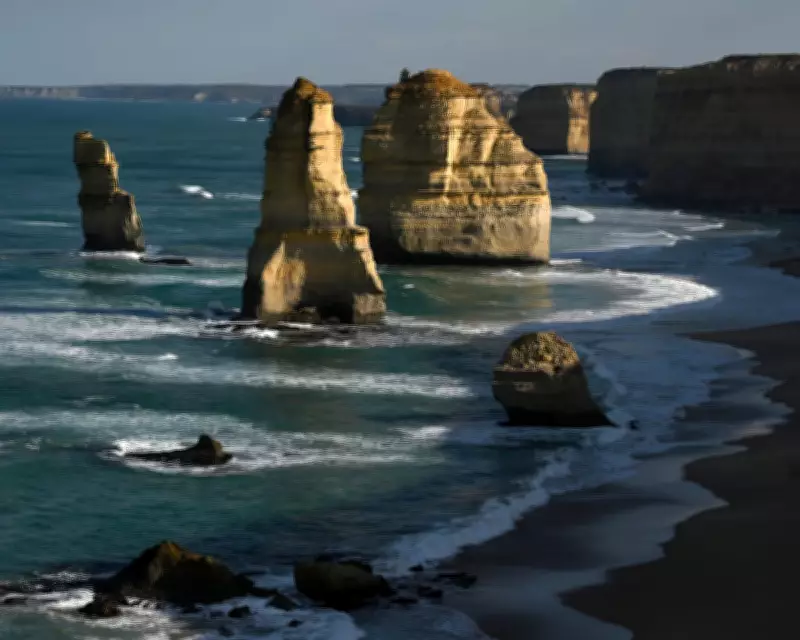
The Victorian government has unveiled a controversial plan to impose visitor fees on the iconic Twelve Apostles, a natural landmark along the Great Ocean Road. This move, announced on Monday, will require bookings and payments for parking and access to the $126 million Twelve Apostles Visitor Centre, which serves as the gateway to viewing decks for the famous sea stacks. These rock formations, remnants of erosion along the 240-kilometer coastline, attract about 2.2 million visitors annually, with projections suggesting this number could surge to 3 million per year by 2032.
Local Concerns and Government Justification
Environment Minister Steve Dimopoulos argues that the fees, described as "fair and reasonable," are essential to address crowding and environmental protection, aligning with practices at other major Australian tourist sites. The local council and tourism board have expressed support for the initiative. However, residents along the Great Ocean Road, who have long grappled with overtourism, voice mixed reactions. Michelle Rowney, a Port Campbell community campaigner, highlights the intense tourism pressure, stating she must "bunker down between November and March" due to worsening conditions.
Rowney and others fear that charging fees for the official viewing platform might drive visitors to riskier vantage points along the treacherous road, where safety infrastructure is lacking. Incidents, such as a 23-year-old man falling 15 meters near Gibson Steps last October, underscore these dangers. Dimopoulos counters that revenue from fees will partially fund safety upgrades at other sites to prevent unsafe choices, while opposition leader Jess Wilson criticizes the move as a sign the government has "run out of money" for park maintenance.

Global Comparisons: Stonehenge and Beyond
While fee-for-access schemes are new for Victoria, they are common internationally. In the United States, national parks like Yosemite and Grand Canyon charge entry fees, with recent changes increasing costs for overseas visitors. In the UK, Stonehenge has levied access fees since 1901, with adults paying between £27 and £70 for close-up views, though millions still see it for free from the road. A proposed highway tunnel to obscure the view sparked public and Unesco opposition, leading to its cancellation.
In Australia, similar fees exist at sites such as Wineglass Bay in Tasmania, where a parks pass is required for all national parks, and Uluṟu-Kata Tjuṯa in the Northern Territory, where adults pay $38 for three-day access, with 25% of revenue going to traditional owners. New South Wales charges vehicle fees in 45 parks, with Kosciuszko costing $29 during peak ski season, though access by foot or bicycle remains free. Victoria currently offers free national park visits but charges for additional services like campgrounds.
Safety and Accessibility Issues
Access to the Twelve Apostles is primarily by motor vehicle, with no alternatives for non-hikers or cyclists. The government is considering a fee under $20, likely per vehicle rather than per person. Rowney advocates for free access to the view, suggesting fees should only apply to services like parking or toilets, in line with the ethos that national parks should be available to all. She also points to ongoing issues, such as the closure of Loch Ard Gorge due to stair repairs and past erosion problems at Gibson Steps from visitor centre runoff.
As Victoria moves forward with this plan, the debate centers on balancing tourism growth with environmental sustainability and public safety. With visitor numbers set to rise, the implementation of fees could set a precedent for managing natural landmarks across Australia, echoing global trends in heritage site management.






