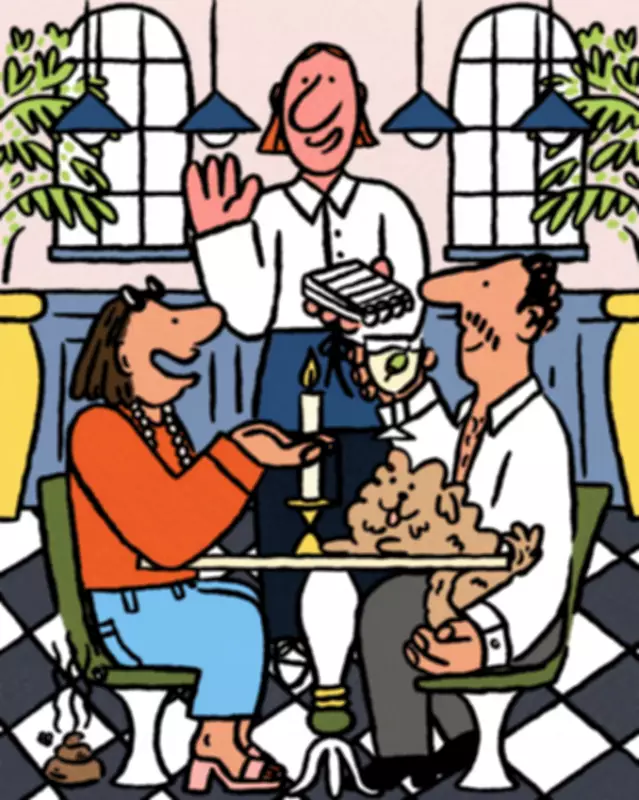
The Real Restaurant Nightmares: A Waitress's Guide to Problematic Patrons
In recent months, influencers have faced significant criticism within the restaurant industry, with prominent figures like restaurateur Jeremy King declaring they're ruining dining experiences for "bona fide guests." However, after working as a waitress for over five years, I can confidently state that influencers represent the least concerning category of problematic customers. The true challenges come from nine specific types of diners who create genuine difficulties for service staff.
1. The Arrogant and Ill-Mannered
This category represents the most common form of rude customer behavior. These individuals range from those who neglect basic courtesies like "please" and "thank you" to those who treat poor treatment of staff as entertainment. One particularly memorable encounter involved a couple who declared they were "allergic to poor people" when asked about dietary restrictions. Beyond verbal disrespect, these customers often reinterpret server responsibilities to include impossible demands, such as requesting off-menu items or expecting personal errands to be completed during their meal.
2. The Work-from-Homers
A growing phenomenon in modern restaurants, these customers treat dining establishments as personal offices. They typically order minimal items like a single coffee, occupy tables for entire days, ignore requests to vacate, and conduct loud Zoom meetings that disrupt the restaurant atmosphere. Their evolution has become increasingly sophisticated, with some arriving equipped with extension cords to power multiple devices. While they might seem low-maintenance, their presence significantly impacts restaurant ambiance and reduces service charges for staff.

3. The Clicker
These customers believe finger-clicking, whistling, or glass-tapping constitute appropriate methods for summoning service staff. Despite considering their behavior normal or even polite, they consistently fail to recognize the effectiveness of simple verbal communication like "excuse me" or "hello." Their insistence on non-verbal hailing creates unnecessary tension and demonstrates a fundamental disregard for basic human interaction.
4. The Flirt
Unsolicited romantic advances represent a particularly uncomfortable category of problematic behavior. From opening conversations with personal questions about relationship status to persistent, unwanted attention, these customers create hostile work environments. Fortunately, experienced servers develop strategies to handle such situations, often relying on colleagues to intervene or reassign tables when necessary.
5. The Brawler
Limited outdoor seating during pleasant weather transforms otherwise civilized diners into competitive combatants. I've witnessed physical altercations involving handbags, prams, and even chairs as customers battle for prime al fresco positions. While this has inadvertently provided me with conflict resolution skills suitable for professional boxing refereeing, it represents an unnecessary escalation over seating arrangements.
6. The Complainer
While legitimate complaints about food quality or service delays are reasonable, certain complaint types cross into rudeness territory. These include criticizing factors beyond staff control like street noise, weather conditions, or even the sun's position. Some customers demand price adjustments after reviewing their bills, while others make disparaging remarks about service quality within earshot of staff. The most challenging complainers expect servers to discipline other patrons' children rather than addressing concerns directly with parents.
7. The Rules Don't Apply Customer
These individuals demonstrate complete disregard for establishment policies designed to ensure smooth operations. Common violations include bringing outside food, playing personal music aloud, occupying inappropriate tables, and smoking in prohibited areas. They frequently wander into restricted spaces like kitchens and staff rooms, arrive during closed hours, and remain long after closing time despite multiple polite reminders.

8. The Dine-and-Dasher
Representing the extreme version of rule-breakers, these customers consume substantial meals and beverages before departing without payment. The phenomenon appears to be increasing in frequency, creating significant financial implications for restaurants and placing servers in difficult positions with management. Some offenders offer bizarre justifications when confronted, such as claiming urgent meeting commitments prevent payment.
9. The Influencer
Despite recent criticism, influencers typically rank lowest among problematic customer categories. When approached politely, their content creation can provide mutual benefits: they receive meals, restaurants gain advertising exposure, and servers earn service charges. Only when influencers exhibit behaviors from the previous eight categories do they become problematic—not because of their influencer status, but because they're demonstrating generally rude behavior.
Through extensive experience serving diverse clientele, I've learned that influencer criticism often overlooks more substantial service industry challenges. The true test of restaurant hospitality comes not from cameras or social media content, but from customers who disregard basic courtesy, establishment rules, and common decency. By understanding these nine problematic archetypes, diners can contribute to more positive restaurant experiences for everyone involved.