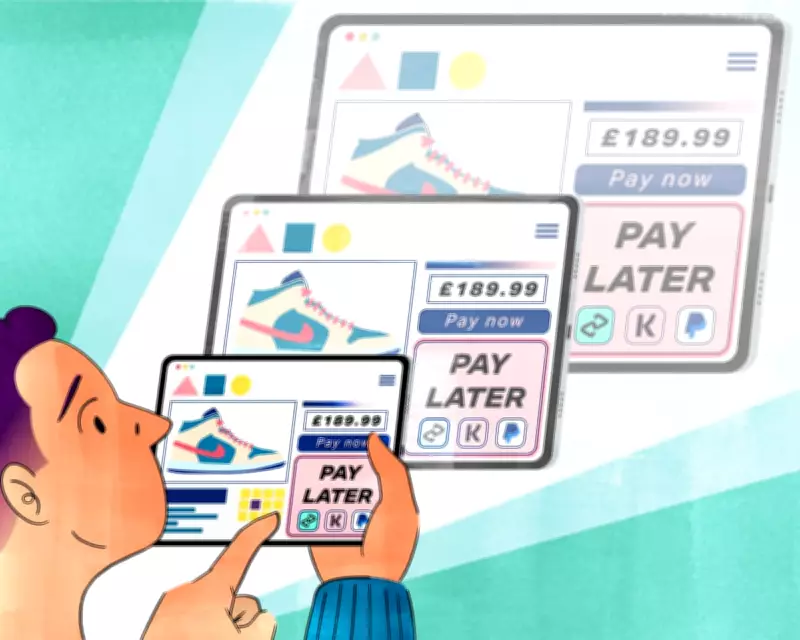
Buy Now Pay Later Services Linked to Rising Debt Problems in UK
A recent comprehensive study has highlighted a concerning trend in the United Kingdom's consumer finance landscape, revealing that Buy Now Pay Later (BNPL) services are increasingly associated with mounting debt issues among users. These payment schemes, which allow consumers to purchase goods immediately and defer payments over time, often without interest, have surged in popularity in recent years. However, the report indicates that many individuals are finding it challenging to manage their repayments, leading to financial strain and potential long-term debt problems.
Key Findings from the Report
The investigation into BNPL usage uncovered several critical insights. Firstly, a significant portion of users are relying on these services for essential purchases, such as groceries and household items, rather than discretionary spending. This shift suggests that BNPL is being used as a financial crutch by some consumers who may be experiencing cash flow difficulties. Secondly, the study found that many users are taking on multiple BNPL agreements simultaneously, compounding their debt obligations and increasing the risk of default.
Furthermore, the report emphasizes that BNPL providers often operate with less regulatory oversight compared to traditional credit products, which can lead to inadequate affordability checks. This lack of stringent assessment means that some consumers are approved for BNPL services without a thorough evaluation of their ability to repay, exacerbating debt problems. The findings call for greater transparency and regulation in the BNPL sector to protect vulnerable consumers.

Impact on Consumer Financial Health
The rise in BNPL-related debt is having a tangible impact on the financial well-being of UK consumers. Many individuals report feeling overwhelmed by their repayment schedules, with some falling behind on other financial commitments, such as rent or utility bills. This situation can lead to a cycle of debt that is difficult to break, potentially affecting credit scores and future borrowing capabilities.
Experts warn that the convenience of BNPL services may mask underlying financial vulnerabilities. While these schemes offer short-term relief, they can contribute to long-term financial instability if not managed carefully. The report recommends that consumers approach BNPL with caution, ensuring they understand the terms and have a clear plan for repayment before committing to such agreements.
Regulatory and Industry Responses
In response to these findings, there is growing pressure on regulators to implement stricter guidelines for BNPL providers. Proposed measures include mandatory affordability assessments, clearer disclosure of terms, and enhanced consumer protection mechanisms. Some industry stakeholders have already begun to adopt self-regulatory practices, but advocates argue that more robust, enforceable standards are necessary to address the root causes of BNPL-related debt problems.
The report also suggests that financial education initiatives could play a crucial role in helping consumers make informed decisions about BNPL usage. By increasing awareness of the potential risks and promoting responsible borrowing habits, these programs aim to mitigate the negative impacts associated with these payment schemes. As the BNPL market continues to evolve, ongoing monitoring and adaptation of policies will be essential to safeguard consumer interests.