

In an era dominated by contactless taps and digital wallets, I embarked on a personal experiment to revert to notes and coins for a full week. Following a reckless bout of overspending on coffee and clothing that left my bank account reeling, I decided to abandon my debit and credit cards entirely. With a budget of £200 in hand, I aimed to see if this blunt-force restriction could not only salvage my finances but also transform my spending habits in London's increasingly cashless landscape.
The Initial Hurdles: From Forgotten PINs to Cash-Only Logistics
My cash-only journey began with an unexpected obstacle: I had completely forgotten my PIN number, thanks to over a year of relying solely on contactless payments. After discovering that retrieving it would take days via post, I hurried to my local bank branch. With identification in hand, I successfully withdrew £200 in £20 notes, feeling a mix of optimism and apprehension about the week ahead.
To safeguard my cash, I invested £1 in a translucent pencil case from Tesco, a frugal alternative to a traditional wallet. My first purchase—groceries including chicken, rice, and oats—totalled £14.75. However, I quickly encountered the reality of modern retail: the self-checkout was card-only, forcing me into a slower queue at a staffed till. This minor inconvenience foreshadowed the challenges to come.

Transport Troubles: Navigating London Without Digital Payments
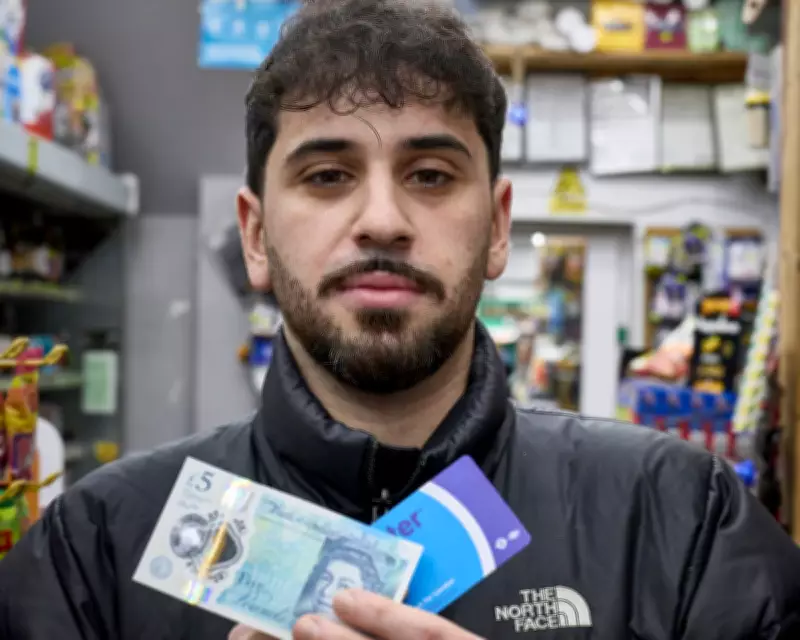
Day two highlighted one of the biggest hurdles for cash users in the capital. My usual mode of transport, a Lime bike, was off-limits as it only accepts digital payments. With buses in London having rejected cash since 2014, I rushed to a corner shop to buy an Oyster card. To my shock, the card alone cost £10, plus an additional £2.80 for a tube journey—a stark reminder of the hidden costs in a cashless system.
This experience was compounded when I fancied a Nando's lunch. Unable to pre-order via their app without a card, I had to visit in person, resulting in a rushed meal. The day's total spend of £32 underscored how cash restrictions could lead to both financial and time pressures.
The Psychology of Spending: Why Cash Hurts More
As the week progressed, I noticed a significant shift in my purchasing decisions. On day five, while shopping in central London, I was tempted by a fragrance marked down from £180 to £90. Counting my remaining notes, I realised this would consume 66% of my budget. The physical sensation of holding the cash made me hesitate, and I ultimately walked away.
Shankha Basu, an associate professor of marketing at the University of Leeds, explains this phenomenon: "Spending cash feels painful, because you physically experience something going away from you." In contrast, card payments mute this sense of loss, often leading to higher expenditure. This insight resonated deeply as I navigated my cash-only week, finding myself more deliberate with every transaction.
Daily Adaptations: From Coffee Shops to Takeaways
My local upmarket cafe refused my carefully counted coins, displaying a "Card only" sign. This pushed me towards a greasy spoon cafe, where a black coffee cost just £1.50. Similarly, when craving a takeaway, I discovered that most chain restaurants only deliver via card-only apps like Deliveroo. Instead, I phoned a local takeaway directly, enjoying a £11 chicken shish with chips—no inflated fees or delivery charges.
These adaptations not only saved money but also simplified my choices. By day seven, I had spent far less than usual, with over £10 left in my pencil-wallet. The constant queues and face-to-face interactions had grown on me, offering a sense of community often missing in digital transactions.
The Broader Context: Cash Usage in Decline
My experiment coincided with a broader trend: according to UK Finance, cash accounted for just 9% of all transactions in 2024, down from 34% in 2017. Fewer than half of people in the UK now carry a physical wallet, and predictions suggest notes and coins will make up only 4% of payments by 2034.

Despite this shift, my week revealed the enduring value of cash. It curbed impulsive spending, fostered human connections, and stripped away the complexities of modern consumerism. As I prepare to reintroduce my cards, they will now share space in my makeshift wallet with some trusty notes—a balanced approach to mindful spending in a digital age.





