

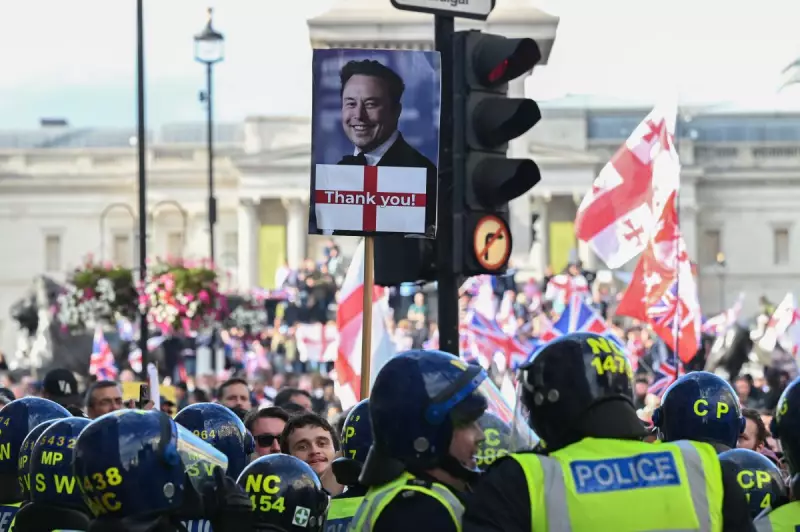
Companies based in London's financial district are being advised to prepare for significant potential disruption and damage in the coming year, as a leading risk analysis firm predicts a sharp increase in protest activity across the UK in 2026.
Europe and UK Face High Protest Risk
A new forecast by Verisk Maplecroft indicates that Europe will be one of the regions most vulnerable to protest-related disruption over the next 12 months. The analysis places the United Kingdom within the global top ten countries expected to see the highest levels of such activity. The research highlights that protests are not only becoming more frequent but also larger in scale, with European nations making up six of the ten countries that recorded the biggest rises in protester numbers recently.
Insurance Warning for Underprepared Businesses
In response to this forecast, Lloyd's of London insurer MS Amlin has issued a stark warning to corporations. The firm told City AM that businesses face a greater risk of financial losses stemming from office closures and collateral damage as demonstrations and civil unrest intensify across the continent. Guillaume Watkins, MS Amlin's lead underwriter for political violence, cautioned that disruption is likely to rise further. "Even peaceful protests can shut businesses out of their own premises if streets are closed or access is restricted. Where protests escalate into vandalism or disorder, the financial impact can be even more significant," he noted.

The warning comes amid a recognition that social media platforms have accelerated the pace at which protests can form and spread, leaving companies with less time to react and implement contingency measures.
Urgent Call to Review Coverage and Plans
The alert follows a year of notable protests in the City during 2025, which included a demonstration led by right-wing activist Tommy Robinson and a "red paint" attack on asset manager Invesco by the group Palestine Action. Watkins emphasised that mid-sized firms could be particularly exposed, as many might find themselves underinsured against political violence risks. For context, Lloyd's of London mandates that insurers model a substantial 500-metre blast radius when stress-testing for terrorism risk.
Watkins strongly recommends that companies take several proactive steps:
- Thoroughly review their insurance policies to ensure adequate coverage for political violence and disruption.
- Develop and update business continuity plans for various protest-related scenarios.
- Conduct fresh risk assessments of their physical premises and operational vulnerabilities.
- Maintain vigilant monitoring of local news and social media for early signs of unrest.
He concluded with a crucial reminder for all businesses: "As protests become more frequent and disruptive, firms should review their insurance to check they are adequately covered. You don't have to be a target to experience a loss."






