

Insurance Delays and Denials Plague LA Wildfire Survivors
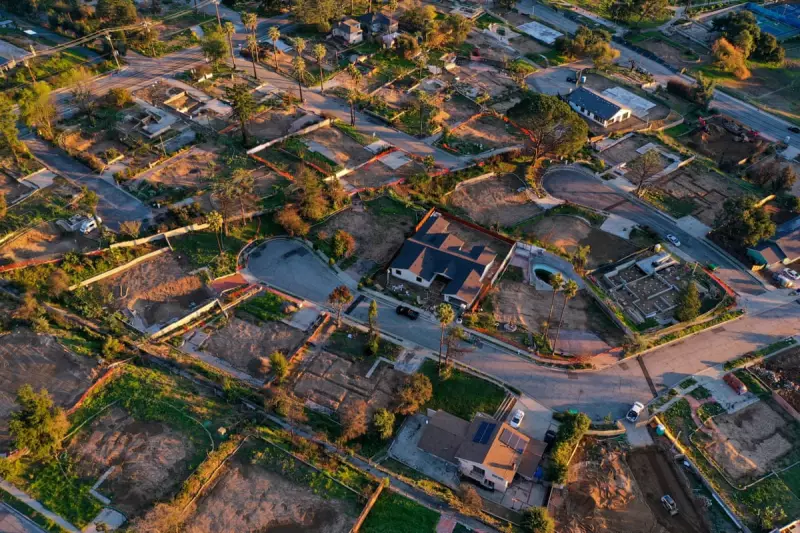
In the aftermath of the catastrophic wildfires that ravaged Los Angeles, homeowners like Jessica and Matt Conkle have encountered a distressing reality. Their midcentury ranch home in Altadena was destroyed, and while their insurer, State Farm, initially provided emergency funds, the claims process quickly descended into a quagmire of delays and disputes. This experience is not isolated, as many survivors across the region report similar struggles, exposing deep flaws in the US insurance industry during an era of escalating climate risks.
A Glimmer of Hope Turns to Frustration
For the Conkles, the initial response from State Farm offered a brief sense of relief. After filing a claim promptly, they received a check covering four months of living expenses. However, optimism faded as negotiations over lost possessions became protracted. They dealt with multiple claims adjusters, each requiring re-evaluations, which they believe was a tactic to deter progress. Months passed with little advancement, and attempts to challenge undervalued items, such as their Waterford crystal collection, were met with silence or demands for proof that no longer existed.
Jessica Conkle, a public education administrator, described the ordeal as "all delays and denials", feeling that adjusters were trained to avoid answering questions. The rebuilding cost estimates from State Farm were significantly below market rates, leading to months of haggling. Even now, funds remain in escrow, inaccessible without provisions for architects' fees or city permits, stalling reconstruction. "We're at a real breaking point," she said, emphasizing the exhaustion of fighting for what should be straightforward compensation.

Widespread Obstacles in Post-Fire Recovery
The Conkles' plight mirrors broader trends documented by the nonprofit Department of Angels, which surveyed homeowners in fire-affected areas. Nearly eight out of ten reported obstacles including multiple adjusters, lowball estimates, disputes over property lists, and poor communication. Interestingly, those with partial damage faced even greater frustrations than those with total losses. This highlights how Los Angeles' recovery efforts have become a microcosm of a national insurance crisis, raising urgent questions about home ownership stability and housing affordability—cornerstones of the American middle class.
Insurance companies, citing increased risks from climate-driven disasters like wildfires, hurricanes, and tornadoes, have lobbied for steep premium hikes. This has squeezed all but the wealthiest homeowners, leaving many under-insured or reliant on state-sponsored plans like California's Fair plan, which often offer inferior coverage. Meanwhile, the industry recorded record profits of $169 billion last year, largely from investments in booming financial markets, creating a stark disparity with struggling policyholders.
Regulatory Failures and Consumer Advocacy
Consumer advocates point to regulatory capture as a key issue. Douglas Heller, director of insurance at the Consumer Federation of America, criticized state regulators for deferring to insurance companies, calling it a mistake that harms consumers. In California, Insurance Commissioner Ricardo Lara admitted his department was "bullied" by the industry into granting rate increases, yet enforcement of fair treatment remains lax. Activists like Joy Chen of the Eaton Fire Survivors Network have catalogued complaints, noting patterns of "delays, lowball offers and outright denials" from providers like State Farm.
Chen's efforts led to a Los Angeles county investigation into State Farm's compliance with state laws, which prompted the company to unblock stalled claims and issue payouts. However, State Farm has not addressed specific criticisms, stating only that the investigation distracts from recovery work. This regulatory scrutiny underscores growing consumer awareness and demands for equitable solutions that spread climate risks more broadly.

The Broader Climate Context and Future Outlook
Behind these disputes lies the escalating frequency of natural catastrophes. In 2024, global underwriting losses from disasters exceeded $145 billion, 54% above the 21st-century average, with 2025 already surpassing $100 billion in losses by mid-year. As private insurers retreat from high-risk areas, state plans like the Fair plan become unsustainable Band-Aids. Dave Jones, former California insurance commissioner, argues that neither price increases nor deregulation can solve this crisis. He advocates for insurers to divest from fossil fuels and for stronger consumer protections, including realistic rebuilding cost updates to prevent under-insurance.
Jones warns of an "uninsurable future" if greenhouse gas reductions lag, foreseeing higher prices and scaled-back coverage. He suggests state subsidies for lower-income families, akin to healthcare under the Affordable Care Act. Yet, in the short term, insurance companies continue to profit through investments and lobbying, exacerbating consumer hardships. Chen emphasizes that survivors are not against the industry but demand an end to illegal conduct, urging a more humane and accountable approach in this age of climate extremes.





