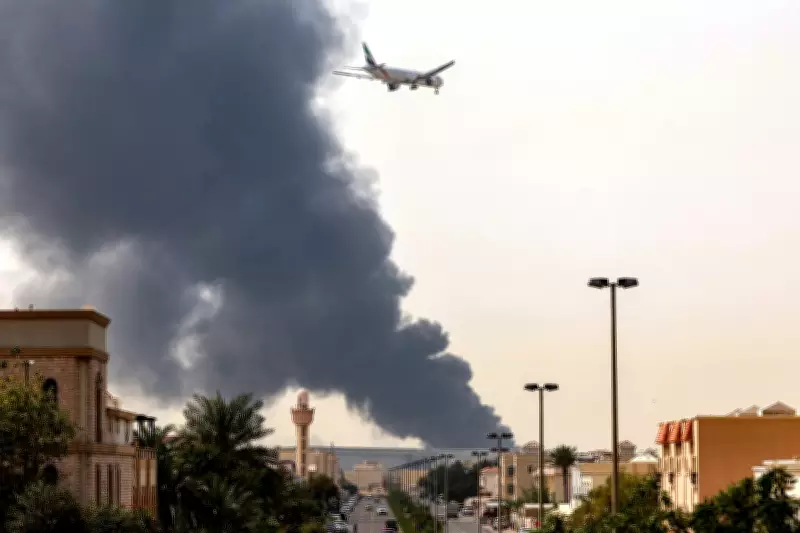
Sun, Money and Missiles: The Dilemma Facing British Lawyers in the UAE
The United Arab Emirates has long ranked among the most popular international destinations for British legal professionals, offering year-round sunshine, tax-free incomes, and lucrative career opportunities. However, the recent Iranian conflict has dramatically burst the UAE bubble, creating unprecedented uncertainty for expatriate lawyers who once viewed the Gulf region as a prime career destination.
The Allure of Tax-Free Living
Based on comprehensive reports from the Law Society and the Solicitors Regulation Authority for 2025 and early 2026, approximately 500 to 700 English and Welsh qualified solicitors currently practice in the UAE, with numerous additional British professionals working in related sectors. The substantial financial resources circulating through Gulf economies via economic diversification initiatives and sovereign wealth funds have driven UK and international law firms to establish significant presences throughout the region.
Following substantial government investments designed to attract legal enterprises, particularly in Saudi Arabia, these Gulf states have transitioned from emerging markets to prime international outposts for numerous global firms. While the appealing climate and luxurious lifestyle certainly attract professionals, the most significant benefit remains the complete absence of personal income taxation, making even six-figure London salaries appear less attractive by comparison.

Security Concerns Escalate
Recent Middle Eastern tensions have sparked considerable concern among expatriates throughout the Gulf region, with many professionals now seriously evaluating their options. Since the commencement of US-Israeli surprise attacks on Iran in late February, Gulf nations have faced retaliatory strikes from Iran, with the UAE experiencing particularly significant impacts.
The sounds of missile interceptions and fighter jets engaging drones have become commonplace in daily life. Following attacks that resulted in at least eight fatalities and targeted prominent locations including the Burj Al Arab hotel and Dubai's International Financial Centre, authorities have advised residents to remain indoors and avoid windows. For families with children, educational routines have reverted to COVID-era remote learning arrangements, further diminishing the region's appeal.
The Great Relocation Debate
Unsurprisingly, despite complicated logistical challenges, numerous expatriates have scrambled to secure seats on available commercial flights, while others have booked private jets or undertaken lengthy bus journeys to border crossings, seeking alternative routes back to the United Kingdom via Oman or Saudi Arabia.
Legal recruitment specialists report a substantial surge in inquiries from lawyers considering relocation back to the United Kingdom or United States. Maximilian Campbell, senior consultant at MRA Search, explained that while few professionals have made immediate relocation decisions, widespread concern exists throughout the legal community, with partners and associates carefully monitoring regional developments.
James Lavan, executive director at Buchanan Law, confirmed that firms are witnessing growing numbers of individuals seeking to return to the UK and other regions from the Gulf. Employers have generally demonstrated understanding, offering increased flexibility regarding remote working arrangements and temporary relocation options.
Dubai's Resilience Tested
The financial power of Gulf nations cannot be underestimated when considering how quickly the region might rebuild its international reputation once conflicts subside. Examining the 2017 Qatar diplomatic crisis provides instructive parallels, where Saudi Arabia led a blockade against Qatar over alleged terrorism support allegations.
Following that crisis, all UAE, Saudi, Bahraini, and Egyptian citizens received orders to leave Qatar, creating temporary economic disruptions. However, as one of the world's wealthiest nations, Qatar demonstrated remarkable resilience, eventually restoring diplomatic ties with assistance from Turkey and welcoming back international professionals by 2021.

Adil Husain of Emerging Strategy suggests that Dubai's primary challenge involves not immediate crisis management but rather long-term perception transformation. The city marketed itself as impervious to regional volatility but must now present a more realistic proposition: exceptional infrastructure and genuine opportunity within a volatile neighborhood.
Both Abu Dhabi and Dubai have invested substantial financial resources into positioning themselves as premier financial hubs, attracting numerous firms seeking to capitalize on economic transitions toward international financial services. UAE authorities have already indicated willingness to permit expatriates extended periods abroad without jeopardizing their tax-free status, demonstrating regional leadership's determination to protect hard-earned reputations.