

Private medical insurance claims are experiencing a significant rise as City workers increasingly seek quicker access to healthcare, with diagnostic tests and scans emerging as the top category for claims across most age groups. This trend comes despite recent declines in NHS waiting lists, highlighting ongoing pressures within the public healthcare system.
Diagnostic Tests Lead Insurance Claims Amid NHS Delays
According to comprehensive data from insurance broker Howden, diagnostic tests and scans represent the number one claim category across all private medical insurance policies, except for individuals aged over 65. This surge in claims occurs against a backdrop where approximately 1.7 million people remain on NHS waiting lists specifically for diagnostic tests, despite overall waiting lists beginning to fall in recent months.
Jon Carroll, executive director at Howden, emphasised the critical importance of timely access to medical imaging. "Quick access to imaging can be vital for spotting issues early, from potential cancers to neurological or musculoskeletal conditions, and private cover helps people avoid prolonged uncertainty," he stated. The data, which incorporates insights from 2,000 individuals, reveals that 7.31 million people across the country are still awaiting NHS treatment, driving many towards private healthcare solutions.

Mental Health Services Emerge as Key Priority
Beyond diagnostic tests, mental health services have become a significant focus for private medical insurance claims, particularly among younger and middle-aged demographics. For those aged 18 to 24 and 45 to 54, mental health services rank as the second most common claim category, indicating a shift towards addressing everyday health concerns through insurance coverage.
Carroll explained this trend, noting that "private medical insurance isn't just about covering major illness, it's about everyday health concerns, early intervention and ongoing wellbeing." This reflects a broader recognition of mental health as integral to overall health management, especially among Generation X and younger policyholders.
Demographic Variations in Insurance Claims
The Howden data reveals notable demographic differences in private medical insurance usage. Male policyholders are more likely to make a claim, with 47 per cent submitting claims compared to 38 per cent of women. Age disparities are even more pronounced, with younger people demonstrating significantly higher claim rates.
Specifically, 57 per cent of policyholders under 24 have made at least one claim in the past five years, compared to just 17 per cent of those aged 65 and over. This makes younger individuals almost three and a half times more likely to claim on their policies than older counterparts, suggesting different healthcare utilisation patterns across generations.
Political Context and Employer Coverage Expansion
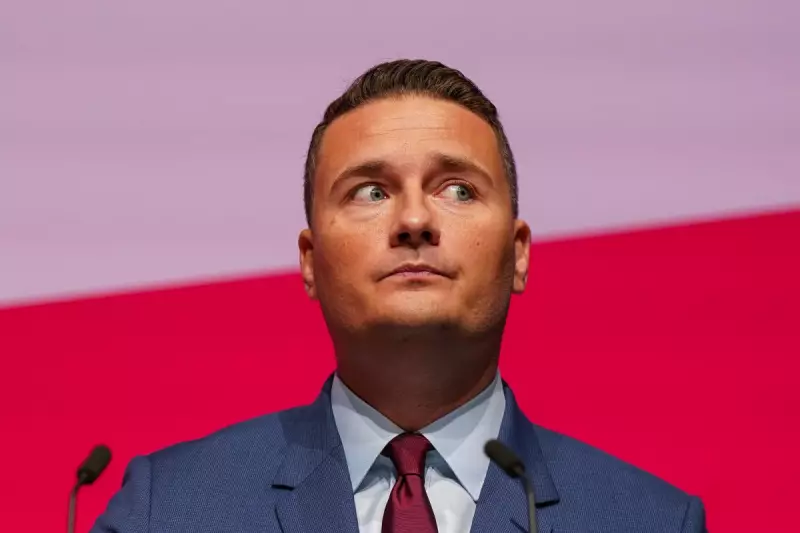
This insurance data emerges alongside political developments concerning private healthcare. Health Secretary Wes Streeting recently addressed NHS waiting lists on radio, acknowledging that while lists are slowly dropping, "there is still so much more to do." Over the weekend, Streeting criticised Reform UK's proposed private health insurance plan, which would offer 20 per cent tax relief on all private healthcare policies if the party gained power.
Streeting claimed this initiative would cost the country approximately £1.7 billion, stating that "Reform is committed to spending £1.7bn, not on staff, buildings, or technology, but on tax relief for customers of private healthcare." This political debate occurs as employer-provided health insurance coverage reaches a 30-year high, with 4.8 million people now covered according to recent Association of British Insurers data.
The convergence of rising private medical insurance claims, ongoing NHS challenges, and political discussions about healthcare funding illustrates the complex landscape facing British healthcare consumers, particularly those in demanding City roles seeking timely medical attention.






