Trump's Solutions to Iranian Shipping Threat Leave Insurance Sector Unimpressed
President Donald Trump's offer of US-backed insurance and naval escorts for commercial vessels navigating the strategic Straits of Hormuz has failed to prevent maritime premiums from skyrocketing. Insurance underwriters are urgently reassessing risks to oil, gas, and cargo ships as the Persian Gulf faces unprecedented security challenges.
Presidential Proposal Meets Market Skepticism
Following the effective closure of the Strait of Hormuz after recent US military actions against Iran, President Trump announced on his Truth Social platform that the United States would provide insurance coverage "at a very reasonable price... for the Financial Security of ALL Maritime Trade, especially energy, traveling through the Gulf." The president further suggested that naval escorts could be organized to ensure safe passage for tankers through this critical waterway, which handles approximately twenty percent of global oil shipments.
However, experts at Lloyd's of London, the world's oldest and most respected insurance market, have expressed significant reservations about the presidential proposal. Industry professionals have told Sky News that the details remain unclear and that naval escorts might paradoxically increase rather than decrease risks to commercial shipping.

Insurance Market Responds to Heightened Risks
The Joint War Committee of the Lloyds Markets Association, representing participants in the Lloyd's insurance market, has expanded its designated "high-risk" area in the Middle East to encompass the entire Persian Gulf. This formal recognition of increased danger comes as underwriters have already begun canceling or substantially repricing war-risk insurance policies for vessels operating in the region.
Neil Roberts, secretary of the Joint War Committee, emphasized that the existing insurance market continues to function effectively despite the challenging circumstances. "Essentially our market is still writing risks and there isn't a perception here that there's a need for intervention at this time," Roberts stated. He noted that premiums would naturally rise to reflect the heightened security threats in the Gulf, with some reports suggesting increases of up to twelve times previous rates.
Concerns About Escalation and Targeting
Industry experts have raised specific concerns that US naval escorts might actually make commercial vessels more vulnerable rather than more secure. "There will be those who think it might increase the target, because the Iranians are targeting US military," Roberts explained. "It's not known how capable they would be against the new drone and missile threats that we're seeing. This is not the same as the 80s."
The insurance executive acknowledged that tanker owners might initially welcome the presidential offer but would need to carefully evaluate whether accepting US protection might inadvertently increase their vessels' exposure to attack. "If you're a tanker owner, you'd be on the one hand delighted that it's been offered, on the other hand trying to understand whether it does increase the risk or not and do you want to accept it?"
Changing Risk Landscape and Economic Impacts
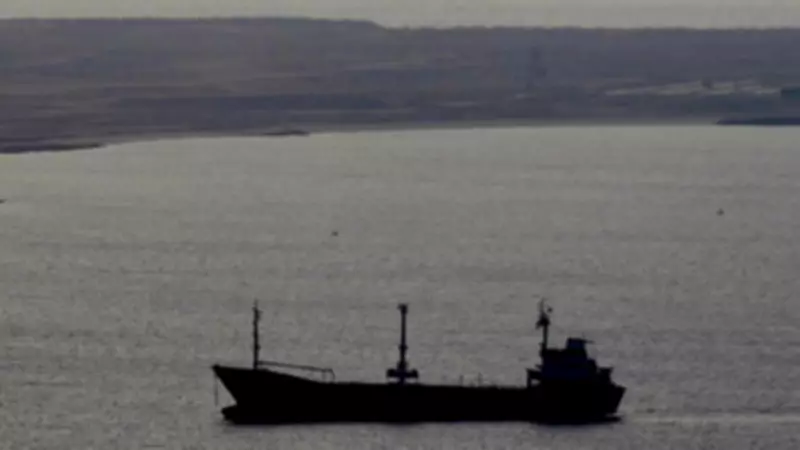
The security situation in the Persian Gulf has deteriorated significantly in recent days, with multiple tankers directly attacked since the conflict began. Additional strikes have targeted oil, gas, and cargo infrastructure in Saudi Arabia, Qatar, and the United Arab Emirates. Satellite tracking data reveals scores of vessels now anchored on either side of the Strait of Hormuz, unable to proceed through the critical waterway.
This maritime disruption has triggered immediate economic consequences:

- Oil and gas prices have spiked dramatically
- Shipping costs have increased substantially
- Global commodity markets are experiencing significant volatility
While the economic impact remains largely contained to commodity markets for now, analysts warn that a prolonged closure of the Strait of Hormuz could deplete global oil reserves and create broader trade disruptions. Food and goods supplies destined for Gulf states from Europe, Africa, and Asia face potential interruption, though the UAE government has announced it maintains stockpiles sufficient for four to six months.
The insurance industry continues to monitor the situation closely, with underwriters reassessing voyages on an individual basis as the security landscape evolves. The Joint War Committee has recently expanded its listed high-risk areas to include US military bases in the region, which have become potential targets in the escalating conflict.