

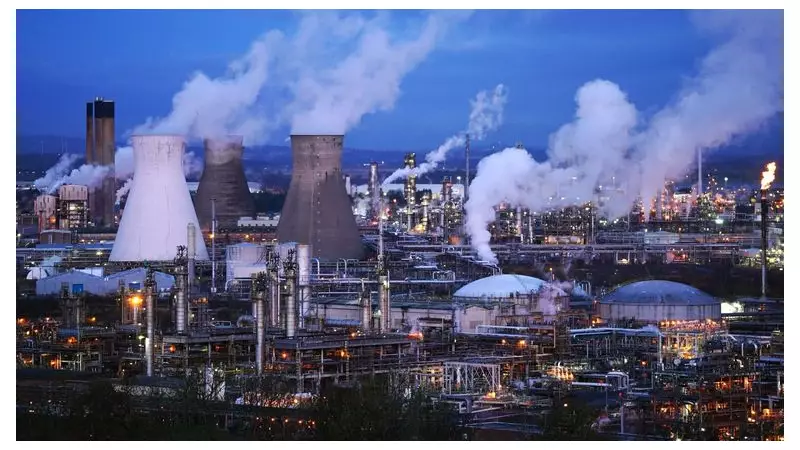
The UK government has stepped in with a £120 million taxpayer-funded bailout for the country's last major chemical plant at Grangemouth in Scotland. Announced on Wednesday 17 December 2025, the rescue package offers immediate relief but underscores two profound, long-term problems facing British industry.
The Lifeline of a Hidden Network
At the heart of this story is a little-known but critical piece of national infrastructure: the UK Ethylene Pipeline System. This network of pipes is as vital to industry as the National Grid is to our homes, supplying a foundational chemical called ethylene to manufacturing sites across the country.
Ethylene is a precursor for countless everyday products. It is used to make polyester for clothing, PVC for pipes and windows, and polyethylene – the world's most common plastic. For decades, the pipeline connected key plants in Cheshire and Teesside to its most crucial node: the Grangemouth facility in Scotland.

Grangemouth's role was to 'crack' ethane into ethylene, a highly energy-intensive process. While it no longer uses North Sea feedstocks, instead importing ethane from the US, it remained the last plant in the UK producing ethylene after the closure of crackers at Wilton and Mossmorran.
A Domino Effect of Closures
The crisis began when the site's owner, INEOS, began consulting on plans to shut down Grangemouth's ethylene cracker. The immediate threat was to around 500 local jobs. However, the real danger was the domino effect throughout the sector.
With Grangemouth closed, the entire ethylene pipeline would run dry. This would jeopardise operations and thousands more jobs at other plants dependent on its supply, such as the INEOS PVC facility in Runcorn. Officials in Westminster recognised that total job losses could easily exceed a thousand.
This imminent chain reaction forced the Department for Business and Trade to act. The £120 million package is the latest in a series of industrial bailouts, following state support for British Steel, Tata Steel in Port Talbot, and Jaguar Land Rover after a cyber attack.
Two Distinct Problems for Government
While the funding provides Christmas cheer for Grangemouth, it leaves the government grappling with two core issues.
Firstly, the strategy appears reactive, not strategic. Despite Chancellor and Business Secretary visits to pitch the move as part of a coherent plan, it closely resembles emergency firefighting. The emerging pattern sees public money deployed only when a major plant is on the brink, raising questions about what constitutes a viable national industrial strategy.
Secondly, the bailout does not solve the sector's deeper crisis. The UK chemicals industry, once an economic powerhouse, has seen its output fall by over 20% in just three years. Plant closures have become commonplace. High energy costs and regulatory burdens are making the UK an increasingly uncompetitive location for chemical manufacturing, a trend mirrored across Europe.
In short, the £120 million reprieve for Grangemouth is a significant intervention, but it is unlikely to be the last. The structural challenges facing this foundational sector remain unresolved, promising more twists and turns in the future of UK industry.






