Britain's industrial decline was not a foregone conclusion, and it must be reversed as a matter of national urgency. That is the stark message from analyst Rian Chad Whitton, who argues that policymakers must treat the survival of the nation's foundational industries as a top priority.
The Rise and Fall of British Industry
At the turn of the millennium, the UK's manufacturing base was robust. It boasted the fourth-largest industrial economy globally, with a particularly strong presence in energy-intensive sectors like steel, cement, chemicals, and petroleum refining. Contrary to popular belief, this production did not peak in the 1970s but actually reached its zenith in 2002.
Today, the picture is bleak. By 2026, Britain is teetering on the brink of an industrial crisis. Output from energy-intensive industries has halved since 2000. Employment in foundational sectors has plummeted from over 800,000 to under 413,500, with an eight per cent drop in 2023 alone. High-profile closures, such as the Prax Lindsay oil refinery and the Fife ethylene plant, underscore the ongoing slide.

The Twin Pressures: Global Competition and Domestic Policy
Some pressures are international. China's manufacturing boom since 2000 has driven down global prices, squeezing producers in advanced economies. However, a major domestic factor is government policy, specifically on energy costs.
Since 2004, industrial gas and electricity prices have soared, making British industrial electricity the most expensive in the developed world. This is directly linked to Net Zero commitments and related policies, such as green levies on energy bills. For many factories, these crippling costs are the decisive factor behind closures and job losses.
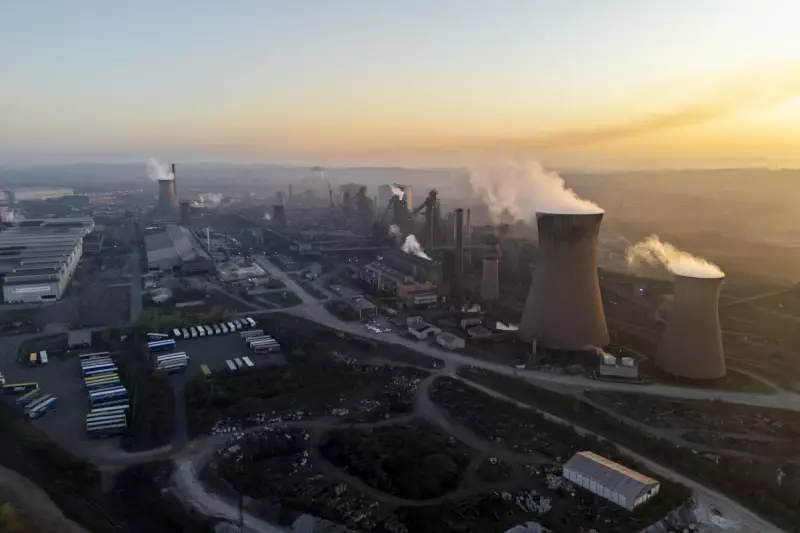
The steel sector is the most visible casualty, with British Steel Scunthorpe and Liberty Steel Rotherham collapsing commercially. Tata Steel's Port Talbot plant survives only due to a £500 million government package. The crisis extends far beyond steel, however. Rising carbon costs under the Emissions Trading Scheme (ETS) have damaged sectors reliant on cheap gas for industrial heat. The UK has ceased all ammonia production since Covid, and cement output is at just 72 per cent of its 2007 level.
The Case for a Foundational Industrial Revival
Some suggest Britain should accept this decline and focus on high-value services, importing basic materials. Yet, retreat from heavy industry has coincided with weak productivity growth. The Foundational Industrial Economy (FIE) – covering extraction and energy-intensive manufacturing – tells a different story.
In 2023, it employed just 1.4% of the workforce but generated 2.5% of the nation's Gross Value Added (GVA). The average FIE job produces £128,000 in value added, a 77% productivity premium over the national average. These are high-value jobs that form the backbone of hundreds of towns and cities outside London.
Reversing the decline requires bold action. In a new report, Whitton proposes measures including removing Net Zero levies from energy bills, reforming the ETS, cutting subsidies for speculative green technologies, and lowering the 78 per cent effective tax rate on oil and gas production. Such steps could support around 30,000 high-value jobs and improve energy security.
The conclusion is clear: Britain cannot prosper without a solid industrial base. The collapse of these foundational industries would not be replaced by better opportunities. Their survival must be treated as a national priority.