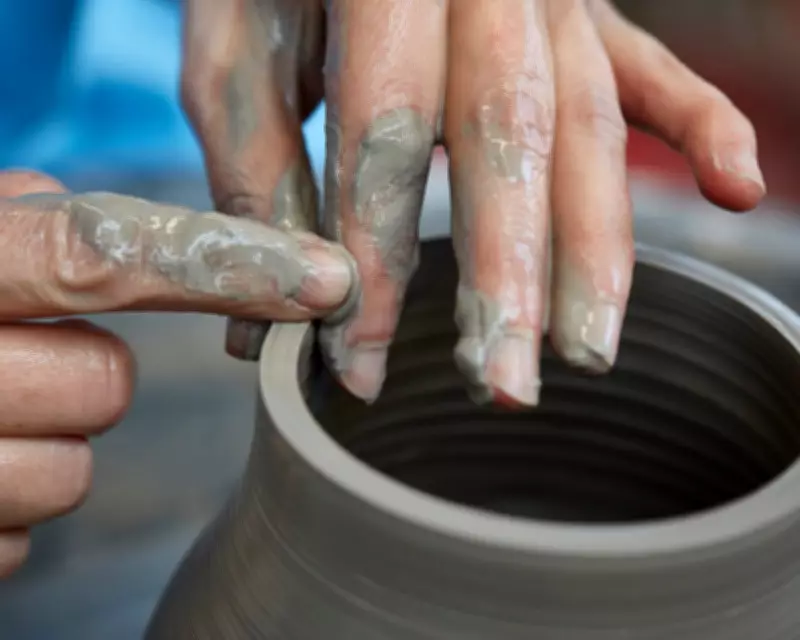
Denby Pottery Calls in Administrators Amid Financial Crisis
In a significant blow to British manufacturing and heritage, Denby Pottery, the historic ceramics company founded in 1809, has entered administration. The move, announced on March 31, 2026, places the future of this iconic brand and its workforce in jeopardy, highlighting ongoing challenges in the traditional pottery sector.
Financial Struggles and Market Pressures
Administrators from a leading firm have been appointed to oversee Denby Pottery's affairs as it grapples with severe financial difficulties. The company, based in Derbyshire, has faced mounting pressures from rising production costs, supply chain disruptions, and shifting consumer preferences. Despite efforts to modernize its product lines and expand into new markets, Denby has struggled to maintain profitability in a competitive global landscape.
The administration process is expected to involve a review of all operations, with potential outcomes including restructuring, sale, or closure. This development has sent shockwaves through the local community and the wider ceramics industry, as Denby is renowned for its high-quality, handcrafted tableware and decorative items.

Impact on Heritage and Employment
Denby Pottery's potential collapse threatens not only jobs but also a rich cultural legacy spanning over two centuries. The company has been a cornerstone of British craftsmanship, producing durable stoneware that has been exported worldwide. Its distinctive designs and commitment to quality have earned it a loyal customer base and numerous awards.
Industry experts note that Denby's troubles reflect broader trends affecting traditional manufacturers, including increased competition from cheaper imports and the challenges of adapting to digital sales channels. The administration could lead to significant job losses in Derbyshire, where the pottery has been a major employer, contributing to the local economy and tourism.
Future Prospects and Industry Response
As administrators assess Denby's assets and liabilities, stakeholders are hopeful that a buyer or investor might emerge to rescue the brand. Potential scenarios include a management buyout, acquisition by a larger conglomerate, or a partnership focused on preserving its heritage while implementing strategic changes.
- Key factors influencing Denby's future include its brand value, intellectual property, and production facilities.
- The outcome will depend on market interest and the ability to address underlying financial issues.
This situation underscores the fragility of heritage industries in the modern economy and raises questions about support for traditional crafts. Denby Pottery's fate will be closely watched as a bellwether for similar businesses across the UK.