To Revive Manufacturing, Britain Must First Change Attitudes Toward Labor
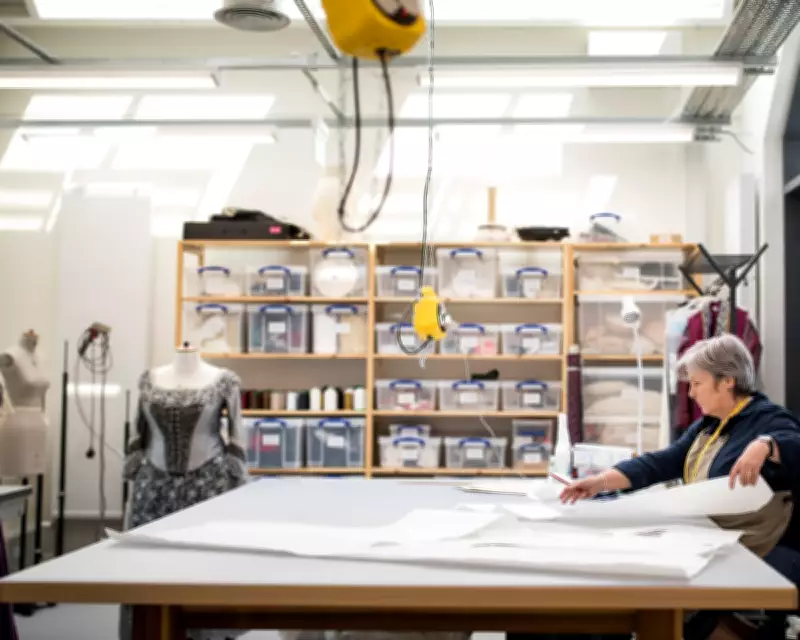
A pattern cutter at a workshop in Stratford-upon-Avon highlights a critical issue facing the UK's industrial sector. In the 1980s, the government initiated a scheme to foster innovation, but it failed to provide ongoing support for production, leaving entrepreneurs to rely on personal loans secured against their homes.
Shifting Perceptions from Brainwork to Manual Skills
In response to discussions on regaining manufacturing power, the foundation for revival lies in altering the societal view that intellectual work is superior to manual labor. Curriculum reforms are essential to ensure that technically inclined students can pursue vocational courses as a primary choice, not a fallback option.
Historically, training for roles like designer-pattern cutters included factory placements, an experience now scarce for fashion students. This hands-on approach is vital for bridging the gap between education and industry.

Government Action and Export Challenges
The lack of follow-on support from initiatives like the Enterprise Allowance Scheme has hindered production growth. Successful business owners often faced barriers, such as being deemed too small for trade missions, like one to Germany aimed at following up export inquiries.
Despite having a unique product with English characteristics and quality that could command profitable prices, small-scale operations struggled to gain traction with Department of Trade officials. While domestic sales indicated market viability, profit margins were insufficient to fund necessary investments.
Government intervention is crucial before it is too late, as evidenced by efforts like President Macron's promotion of Made in France, which underscores the importance of national support for manufacturing.
This call to action emphasizes the need for a comprehensive strategy that values labor equally and provides robust backing for production and international trade.