

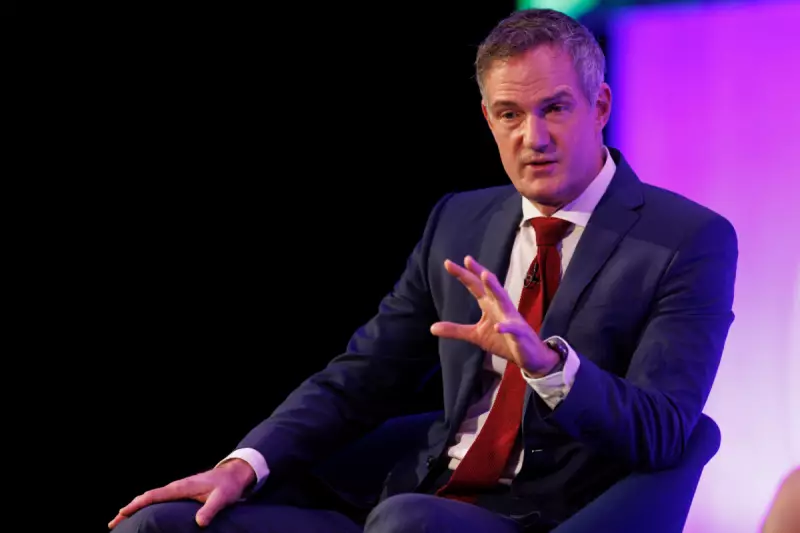
Investor Luke Johnson Slams Peter Kyle's 'Picking Winners' Strategy
Business Secretary Peter Kyle has come under intense fire for his recent admission that the government would be actively "picking winners" across the UK economy. The controversy erupted after Kyle outlined a more interventionist approach to supporting British firms through state-backed investments.
Kyle's Controversial Comments on Government Investment
On Friday, Peter Kyle spoke publicly about the Labour government's ambitions to "bet big" through mechanisms like the British Business Bank and other publicly-funded investment vehicles. In a social media post, Kyle declared: "I am betting big. And I am picking winners. It's more activist. And there will be things that don't work out, sure. But to have a healthy economy, failure leads to success."
These remarks have sparked significant backlash from business figures and political opponents who question the wisdom of government officials selecting which companies deserve taxpayer support.

Investor Luke Johnson's Scathing Critique
Leading the criticism is prominent investor Luke Johnson, known for his involvement with Gail's and Pizza Express. Johnson launched a blistering attack on Kyle's approach, accusing him of "arrogance" and describing the strategy as "a socialist government playing at venture capital."
Johnson warned that this interventionist policy would "end badly" for British taxpayers, suggesting that government officials lack the expertise and market discipline necessary to make successful investment decisions in the private sector.
Political Reactions and Broader Scrutiny
Shadow Business Secretary Andrew Griffith joined the criticism with a pointed remark suggesting Kyle had "too many Jägermeisters in Davos," referencing the recent World Economic Forum meeting where business leaders gather.
The controversy comes as the British Business Bank announced substantial investments including:
- A £25 million investment in Kraken, the software spin-off from Octopus
- £50 million allocated to deep tech funds Epidarex Capital and IQ Capital
These investments face increased scrutiny following Chancellor Rachel Reeves' decision to provide additional funding to both the British Business Bank and the National Wealth Fund after the last General Election.
Concerns About Investment Management and Governance
An audit of the National Wealth Fund, which is backed by taxpayer money, has raised concerns about potential weaknesses in risk management, governance structures, and internal controls. Bridget Rosewell, chair of the NWF audit and risk committee, acknowledged that "weaknesses existed, in particular reflecting the delay in moving to a longer-term investment management system."
These governance concerns add another layer to the debate about whether government should take a more active role in directing investment toward specific companies and sectors.
Broader Political Context of Government Intervention
Labour is not alone in advocating for more activist government approaches to private sector investment. Last year, it was revealed that a potential Reform UK government would consider taking a stake in Rolls-Royce to support its small modular reactor programme.
Reform's policy chief Zia Yusuf explained this approach: "What we would do is say, 'Rolls-Royce, we're going to give you a huge contract for this British stuff and we will front-load you capital so that you have certainty that it's going to happen.' If we were to give them priority access to the British market with a massive contract, maybe the British taxpayer should be given a stake in the company."
This broader political context highlights how government intervention in private markets has become a contentious issue across the political spectrum, with different approaches being proposed but all facing questions about effectiveness, governance, and taxpayer risk.






