

Liberty Department Store Capitalises on Maximalist Trend with Bridgerton Partnership
On a damp Thursday in central London, shoppers seeking refuge from the rain are immersing themselves in Bridgerton-themed escapism at the upmarket Liberty department store. The iconic retailer has dedicated its entire fourth floor to the raunchy Netflix period drama, showcasing Regency-inspired prints on scarves, dresses, and even duvet covers.
Focusing on Unique Discoveries and Design-Led Shopping
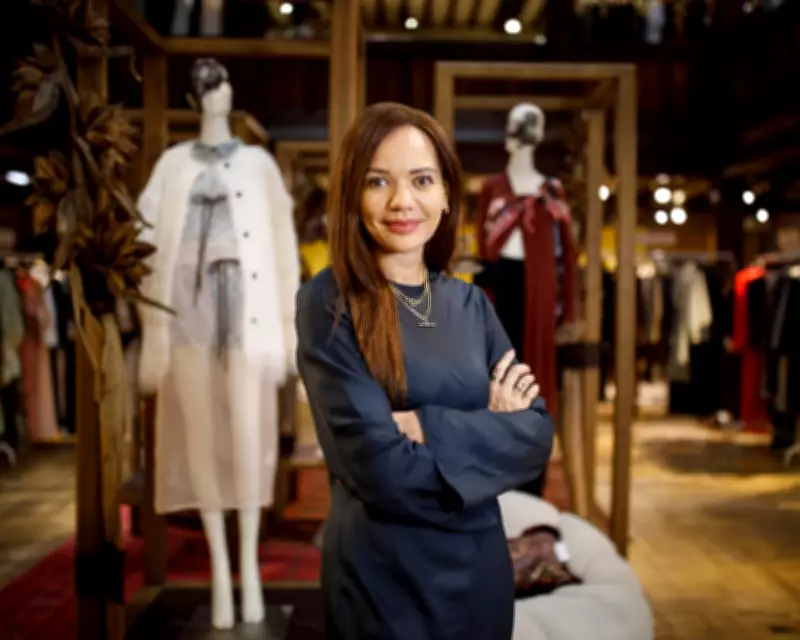
Lydia King, Liberty's new retail managing director, explains the store's strategy. "When customers come to Liberty they want the discovery of new brands or something a bit different," she says. King, who recently returned from New York after negotiating with potential new labels, emphasises that Liberty caters to a "design focused" shopper who visits with the mindset of finding something wonderful rather than simply seeking logo-heavy products.
"Not being able to find it elsewhere – that point of difference – is the most important thing," King states. This philosophy becomes even more crucial during the ongoing cost of living crisis, where every purchase is carefully considered. "When a shopper buys something, it has to be amazing," she adds.

Sales Growth Amidst Sector Challenges
The Bridgerton collection aligns perfectly with the maximalist trend for richly coloured and patterned decor. This focus helped drive a 10% rise in sales at Liberty's retail arm last year, reaching approximately £142 million, alongside a double-digit increase in profits. The store also reported stronger sales in jewellery and clothing.
This success stands in stark contrast to many rival luxury department stores. Selfridges, Harvey Nichols, and Harrods have all reported falling sales and losses recently. Across the UK, dozens of department stores have closed their doors in recent years, including the entire Debenhams and Beales chains, due to intense online competition and the rise of direct-to-consumer brands.
From Struggle to Stability: Liberty's Renaissance
Liberty itself faced significant challenges in the 2000s. Listed on the stock exchange but mired in losses, the company was forced to sell off property, including its flagship store, to raise cash. A turning point came in 2010 when private equity group BlueGem purchased Liberty for £32 million. Italian financier Marco Capello led a restructuring that stabilised the business.
Although the COVID-19 pandemic thwarted plans for international expansion and a stock market float, BlueGem sold its controlling stake to private equity group Glendower in 2019. That deal valued Liberty at an impressive £300 million.
Building a Robust Business Model
King attributes Liberty's recent success to several key factors:
- A strong range of own-label goods spanning fabrics, fragrance, and fashion.
- A loyal base of mostly local shoppers who regularly visit in search of creative and exclusive items.
- Exclusive partnerships with brands like Peachy Den in fashion and collaborations with eclectic partners including Adidas.
"Our business is more robust than others," claims King, who previously worked at Selfridges, Harvey Nichols, and Harrods before joining Liberty over two years ago as buying director. "Over the last six years the business has grown enormously and locals are the biggest part of that."
Navigating Physical Constraints and Market Changes
The Tudor revival landmark store, which opened in its current location in 1924, presents unique retail challenges. Much of the store is arranged around a grand atrium crafted from timbers of two 1800s Royal Navy vessels, meaning in many areas the store is effectively "retailing from a corridor."
In such a tight, listed building, "every brand and every product has to count," King notes. The store lacks the flexibility to add numerous bars and cafes like some rivals. Despite this, Liberty has maintained departments that many competitors have abandoned, particularly haberdashery, which along with its fabrics appeals to the UK's growing community of crafters.
Future Expansion and Optimistic Outlook
Liberty continues to expand its offerings with several strategic initiatives:

- Growing the jewellery department
- Developing own-label ranges including the fast-growing LBTY fragrance, silk dresses, wallpaper, and cushions
- Expanding the in-store fabric department and introducing new designs more frequently
- Partnering with artists like Grayson Perry on exclusive designs
The store has also benefited from maintaining its appeal to younger shoppers visiting neighbouring Carnaby Street for beauty products, while exclusive ranges with brands like Jellycats' Bartholomew Bear and Topshop have drawn queues of enthusiastic fans.
"We feel optimistic. We've got a lot in the pipeline," King concludes. "We are just guarding Liberty for the next generation." Despite changes to VAT tax breaks for tourists post-Brexit and challenges on nearby Oxford Street, Liberty's distinctive approach to retail continues to deliver growth in a challenging market.





