

The Rise of the £10-Plus Pastry in Britain
In the leafy residential corner of Hackney, east London, a transformation has occurred. Where a Percy Ingle bakery once stood for nearly fifty years, offering vanilla cream slices and Tottenham cakes for around £1, now sits Fika cafe. Here, a cinnamon bun costs £4.20 and a pistachio croissant nearly £5. Yet, in the grand scheme of Britain's burgeoning luxury bakery scene, these prices are considered modest.
A New Era of Extravagant Treats
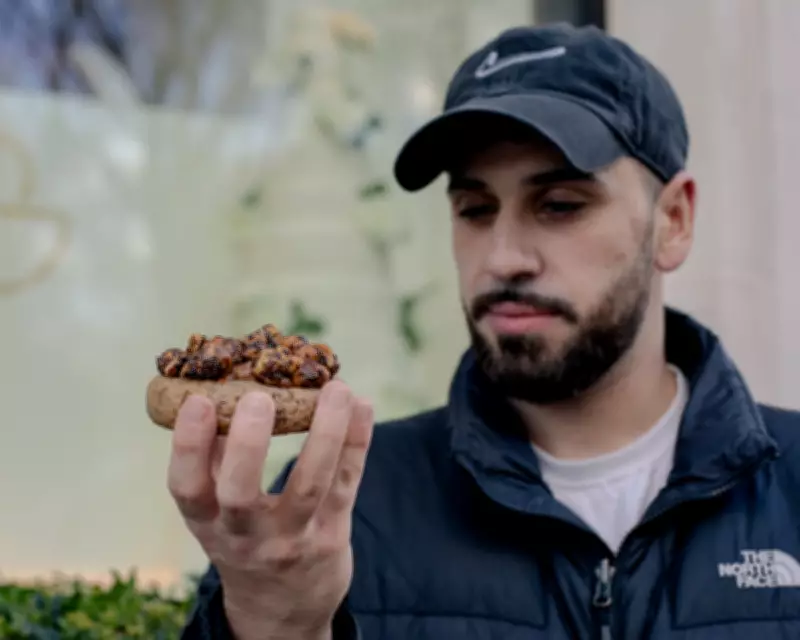
Across the United Kingdom, the age of the £10-plus pastry has firmly arrived. At Copains, a Parisian favourite with its first UK branch in central London, a large babka retails for £12.50 and an eclair for £11.90. Harrods' food hall sells a gold leaf-topped savoury croissant for £12. The pinnacle of indulgence might be Cedric Grolet, located inside the luxury Berkeley hotel, where a single hazelnut cookie commands a staggering £25.
These extravagant desserts have become viral sensations on social media platforms, generating long queues outside bakeries that expertly leverage algorithms to showcase their mouthwatering creations. The phenomenon extends beyond London to global cities like New York and Paris, where similar premium pricing prevails.

Independent Bakery Growth Defies Economic Pressures
Remarkably, these steep prices do not appear to be hindering success. A September survey revealed that the number of independent bakeries in the UK has grown by 34% over the past five years, with the Midlands, East Anglia, and northern England experiencing the fastest expansion.
Professor Emma Bell of the Stockholm School of Economics identifies this as a global trend. She attributes the boom to a cultural shift away from "an era of cheap, ultra-processed food" toward businesses that "promote craft making." Customers are increasingly willing to spend significant sums on unique, indulgent pastries, viewing them as special treats rather than everyday purchases.
Bakery Tourism and Regional Highlights
The luxury bakery trend has even spawned a form of bakery tourism, drawing visitors from around the world to towns and villages across Britain in search of sweet, flaky perfection. Notable examples include Pump Street Bakery in Suffolk, which caused a festive furore by selling six mince pies for £25—more than £4 per pie.
A Pastry Crawl Through London's Premium Establishments
Stop One: The Near-£10 Pastry at Yeast
Our investigation begins at Yeast in Broadway Market, east London, where pastries include a pistachio crumble and praline creme brioche feuilleté (£7.50) and a poached vanilla rhubarb danish (£7.95). Co-owner Ben Keane addresses the high prices directly, emphasizing their use of premium ingredients, including flour and butter imported from France.
Keane notes that ingredient costs have soared, with his "special dry butter" more than doubling from £4.50 per kilogram since he started in 2011. Additional expenses like rents, business rates, and VAT have also "gone sky high." Despite this, Yeast maintains a packed cafe, with customers like Alice, 31, justifying the expense: "You don't mind spending a bit more when it's independent."
Stop Two: The £10-Plus Pastry at Copains
Next, we visit Copains in Covent Garden, where all pastries are gluten-free. General manager Robert Szucs describes it as "Disneyland for people with dietary restrictions," noting that several customers daily "start crying" when they realize they can indulge freely.
Options include a New York roll (£12.90), a large chocolate babka (£12.50), and a coffee eclair (£11.90). Szucs defends the pricing by highlighting organic, high-quality ingredients and handmade preparation. Customer Vilija, 51, admitted initial shock at the £29 bill for pastries and coffees but concluded: "As soon as I tasted it I thought it was worth it."
Stop Three: The £20-Plus Pastry at Cedric Grolet
The final destination is Cedric Grolet, where viral fame has turned baker Cedric Grolet into a culinary celebrity with 9.5 million TikTok followers. Beyond the £25 hazelnut cookie, the bakery offers a £45 "vanilla flower" tart—a towering confection that proves surprisingly delicious despite its extravagant price tag.

The cookie features soft dough swirled with milk chocolate and caramelised hazelnuts, resting on a bed of caramel with praline crunch. The vanilla flower tart combines crunchy pastry with creamy vanilla ganache, delivering a decadent experience that challenges even the most cynical palate.
Broader Implications for the Bakery Industry
Professor Bell's research indicates the pandemic served as a turning point, with people having more time and high streets becoming destinations. While many independent bakeries face financial pressures from business rates, rising energy and ingredient costs, and labour shortages, sweet treats remain higher-margin products that effectively lure customers.
Meanwhile, lower-end bakeries are struggling. Percy Ingle, once boasting over 50 shops across London and Essex, closed in 2020. Wenzel's, another budget chain, recently shuttered several stores and recorded a £1.8 million loss last year. Bell suggests these establishments are not competing with luxury bakeries but rather losing customers to cheap supermarket alternatives.
The Future of Indulgence
As consumers navigate rising costs, the justification for expensive pastries may lie in their perceived value as occasional luxuries. Interestingly, a potential middle ground is emerging with the rise of one-bite desserts, possibly influenced by weight-loss jab popularity or portion control preferences. For instance, Town restaurant in central London offers buttermilk pudding with rhubarb in both mini (£6) and standard (£12) sizes.
Ultimately, Britain's luxury bakery boom reveals complex consumer behavior: a willingness to splurge on artisanal, Instagram-worthy treats even during economic uncertainty, while traditional budget bakeries face existential challenges. The nation's sweet tooth appears to be evolving toward quality over quantity, with customers voting with their wallets—and their social media feeds—for experiences that feel worth the premium.





