

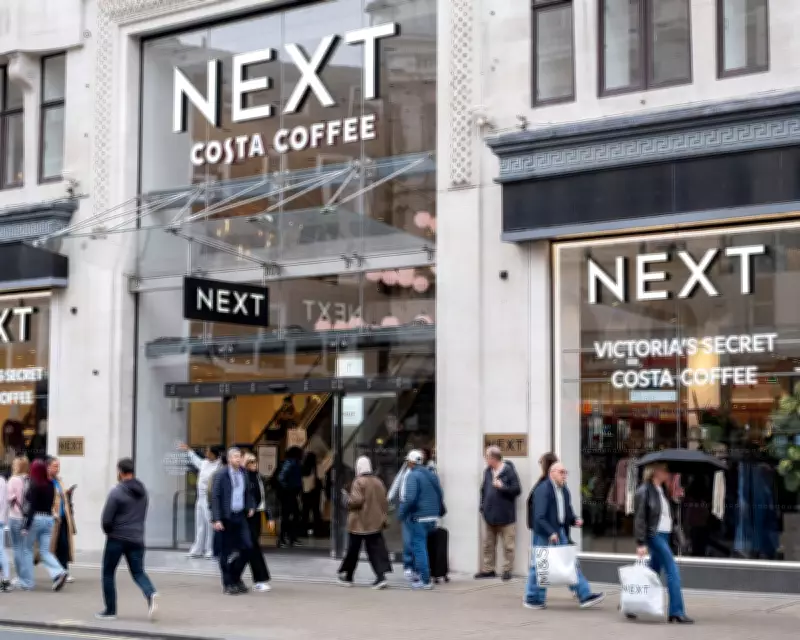
Next Reports £1.16bn Pre-Tax Profits Despite Middle East Conflict Costs
Next has announced full-year pre-tax profits of £1.16 billion, a figure that includes an estimated £15 million in additional fuel and air freight costs directly attributed to the ongoing Middle East conflict. This sum, while relatively minor in the context of the company's overall financial performance, highlights the broader economic pressures facing the retail sector. Chief Executive Simon Wolfson emphasized that these extra costs, which assume disruption lasting three months, are currently being offset by savings elsewhere, but the situation remains fluid and uncertain.
Timing Lags and Consumer Confidence in Retail
Wolfson, known for his cautious approach to profit guidance, added £8 million to this year's projections as a mechanical read-through from last year's results. He noted that trading had been strong up until late February, with encouraging performance in the UK and robust overseas sales. However, the enormous asterisk over these results is the potential long-term impact if the conflict persists. Wolfson admitted having no greater insight into the duration or implications than anyone else, stating that the medium-term effects on supply chain resilience, freight rates, factory gate prices, and consumer demand remain unclear.
If higher costs continue, Next plans to increase prices, though this is described as a contingency rather than a firm plan. The company will provide a clearer view in its first-quarter update in May. Amid this uncertainty, Wolfson offered two nuanced insights. First, he challenged the notion that consumer confidence has already collapsed, as suggested by the British Retail Consortium, stating he has not yet seen a significant hit to sentiment. He explained that UK consumers typically react to the arrival of higher prices rather than the threat of them.

Potential Impact on Autumn Ranges and Market Response
Second, Wolfson highlighted timing lags specific to the clothing retail industry. Spring-summer ranges are already in place, meaning no immediate adjustments are needed. However, potential increases in fabric costs and production disruptions in Asian factories are likely to affect autumn-winter ranges, pushing the crunch point further down the line. This phase is described as the phoney period in retailing, where the full impact has yet to materialize.
The stock market responded optimistically, with Next's shares rising 5% to become the biggest riser in the FTSE. Investors seem to believe that if the £15 million in extra costs represents the worst of it, Next could be in a position to upgrade profits in May. The company remains resilient, with its share price at £125.40, compared to the £131 threshold at which it considers share buybacks economically viable under Wolfson's formula.
Broader Economic Context and Future Outlook
Despite this resilience, no business will be immune if the energy price shock continues for an extended period. With the OECD projecting just 0.7% growth for the UK economy this year, the broader economic environment poses significant risks. The gap between Next's current share price and its buyback threshold is narrower than expected, given historical trends during easier economic times. May's update is anticipated to set the tone for the entire retail sector, offering critical insights into how companies are navigating these turbulent conditions.
In summary, Next's strong profit performance is tempered by external pressures from the Middle East conflict and potential energy price shocks. While the company has managed costs effectively so far, the coming months will be crucial in determining its ability to maintain resilience amid ongoing uncertainties in the global economy.






