

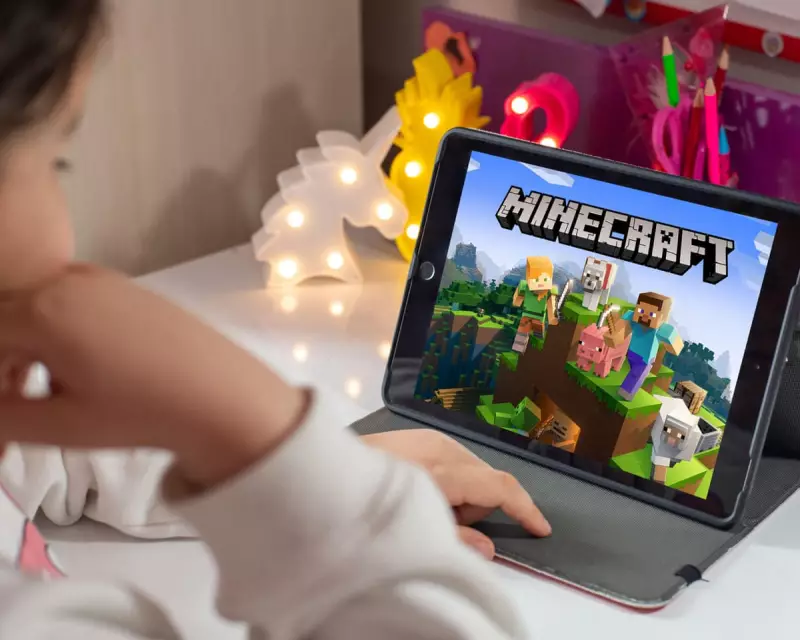
Forget traditional cash or high street vouchers. This festive season, the most coveted gifts for many young people are virtual currencies like V-Bucks, Robux, and Minecoins. As the final Christmas shopping week begins, retailers across the UK are anticipating a surge in sales of gift cards loaded with these digital funds, making them the modern stocking filler of choice.
Navigating the Virtual Checkout: How to Buy Gaming Currency
For parents and relatives unfamiliar with the gaming world, the request for virtual cash can be baffling. These in-game currencies are used within popular titles like Fortnite, Roblox, and Minecraft to purchase cosmetic items known as 'skins' to personalise a player's avatar, new dance moves called 'emotes', or special buildings and features for their online world.
Andy Robertson, founder of the Family Gaming Database, explains the appeal: "Like the desire for the latest trainers when I was at school, having new outfits or appearances for your character in online games is a popular driver of purchases." It's important to note that spending money typically doesn't give a competitive edge; it's mostly about customisation.

There are two primary ways to buy this currency. You can purchase it directly on the device through the game's storefront, such as the PlayStation Store or Nintendo eShop, using a linked payment card. Alternatively, you can buy physical or digital gift cards from high street shops or online retailers. An Argos spokesperson confirmed that interest in these cards peaks during Christmas week.
Buying via a gift card is a straightforward way to control spending. Prices can vary significantly, so it pays to shop around. For instance, a digital card for 1,720 Minecoins was priced at £8.49 at Argos but just £5.99 at the online store Loaded at the time of writing.
Understanding the Exchange Rates and Potential Pitfalls
The value you get for your pound differs wildly between games, which can be confusing. For roughly £6.99, you can buy 1,000 V-Bucks for Fortnite, but you get 1,720 Minecoins for Minecraft. A fiver will buy you 500 Robux for Roblox.
Campaigners and experts have raised concerns about this system. Vicki Shotbolt, founder of Parent Zone, warns: "It's impossible for parents to quickly understand how much something costs when the price is presented in a virtual currency... Using virtual currencies is a classic way to obfuscate value, and it's done deliberately to encourage spending that feels like gameplay."
George Osborn, a gaming industry consultant, notes that currency values can fluctuate, making items more expensive over time. Furthermore, Adam Jerrett, a lecturer in games design at the University of Portsmouth, points out that currency is often sold in bundles that don't match item prices, leaving players with leftover 'stranded currency' they can't use. These funds are also locked to a specific game and cannot be transferred to other titles or players.
However, Robertson suggests this can be a teaching moment: letting children spend their own pocket money on virtual items can help them learn about value and budgeting.
A Quick Guide to Popular Gaming Currencies
Fortnite (V-Bucks): The free game uses V-Bucks for skins and emotes. Buying directly from Epic Games gets you 1,000 V-Bucks for £6.99. A new character skin typically costs between 800 and 2,000 V-Bucks.
Minecraft (Minecoins): Used to buy character skins and world features like the 'Cherry Bonsai Treehouse'. You can purchase 1,720 Minecoins for £7.99 via the PlayStation Store.
Roblox (Robux): This platform of user-created games uses Robux for extras. The official store sells 500 Robux for £4.99. Items range from a Santa hat (60 Robux) to powerful in-game weapons costing 1,000 Robux.
FC 26 (FC Points): The football simulation's currency buys player packs. Prices start at 99p for 100 points, with a premium gold pack costing 150 FC Points.

Parents concerned about unauthorised spending can use parental controls on consoles and gaming platforms. The Internet Matters website offers guides on setting these limits. As the last-minute shopping rush begins, understanding these virtual economies is key to delivering the perfect digital gift under the tree.





