

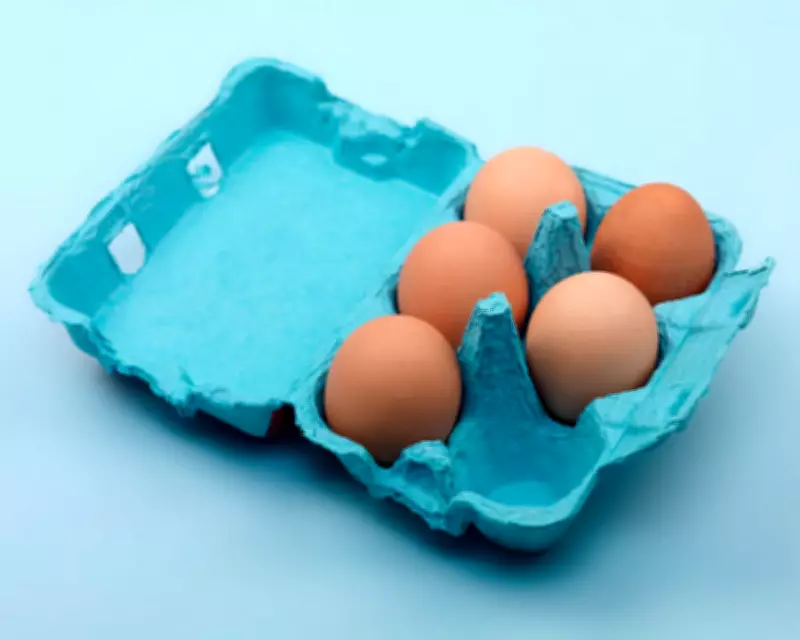
The Posh Egg Predicament: From Status Symbol to Shoplifting Target
In today's premium food market, even the humble egg has undergone a remarkable transformation. What was once a simple breakfast staple has evolved into a luxury item, with posh eggs from fancy breeds now commanding prices as high as £4.50 for just half a dozen. These multicolored, often oddly sized eggs—sometimes complete with bits of feather still attached—have become unexpected status symbols in British supermarkets and specialty food shops.
The Rising Cost of Eggs
The egg market has experienced significant price inflation in recent years, driven by multiple factors including increased feed costs, higher energy prices, and ongoing bird flu restrictions that have impacted poultry farming operations. While standard eggs have seen price increases, the premium segment has experienced particularly dramatic rises. Free-range and organic eggs now typically start at around £3.50 per dozen, but the real luxury market begins with specialty breeds like Burford Browns, Old Cotswold Legbar, and Longstock Gold.
These posh eggs distinguish themselves through various premium characteristics. Some feature strikingly colored shells in shades of blue, white, or even green—the latter produced by Seabright Sage chickens. Others boast deep orange yolks or impeccable provenance from specific farms with carefully managed breeding programs. For these enhanced attributes, consumers are increasingly willing to pay £4.50 or more for just six eggs, creating a new tier in the egg market that sits well above standard offerings.

The Shoplifting Phenomenon
As prices for premium eggs have climbed, some consumers have developed creative—and ethically questionable—methods to access these luxury items without paying premium prices. The practice involves swapping posh eggs from their expensive cartons into containers of ordinary eggs, then purchasing them at the lower price point. This egg-swapping phenomenon has created a peculiar consumer dilemma where both perpetrators and victims find themselves caught in a cycle of deception.
Proponents of this practice sometimes argue it represents a victimless crime, but the reality proves more complex. When shoppers swap premium eggs into standard cartons, subsequent customers may find themselves paying premium prices for ordinary eggs when they purchase the now-mislabeled cartons. This creates a chain of deception that ultimately leaves someone paying more than they should for less than they expect.
The Nutritional Reality
Despite the premium pricing and marketing surrounding posh eggs, nutritional differences between standard and luxury eggs remain minimal. The distinctive orange color of premium egg yolks typically results from adding marigold and paprika to chicken feed rather than representing superior nutritional content. While higher prices may sometimes correlate with better animal welfare standards and happier hens, the actual nutritional benefit to consumers remains negligible.
This reality raises questions about the entire premium egg market. If the shells—the most visually distinctive feature—aren't consumed, and the nutritional differences are minimal, what exactly are consumers paying for? The answer appears to be status, aesthetics, and perceived quality rather than substantive differences in the product itself.
The Carton Conundrum
Ironically, in this bizarre consumer scenario, the egg carton itself has become a crucial commodity. Some shoppers have suggested simply keeping an empty premium carton at home and using it to disguise standard eggs, effectively creating the appearance of luxury without the associated cost. This approach highlights how packaging and presentation have become central to the perceived value of eggs in the premium market.
The entire situation creates a circular deception where everyone involved—from the egg swappers to the unwitting premium purchasers—participates in a system that prioritizes appearance over substance. As one observer noted, "absolutely everyone is wasting their time in this scenario," suggesting that the pursuit of posh eggs has created more problems than it solves for consumers navigating today's complex food markets.






