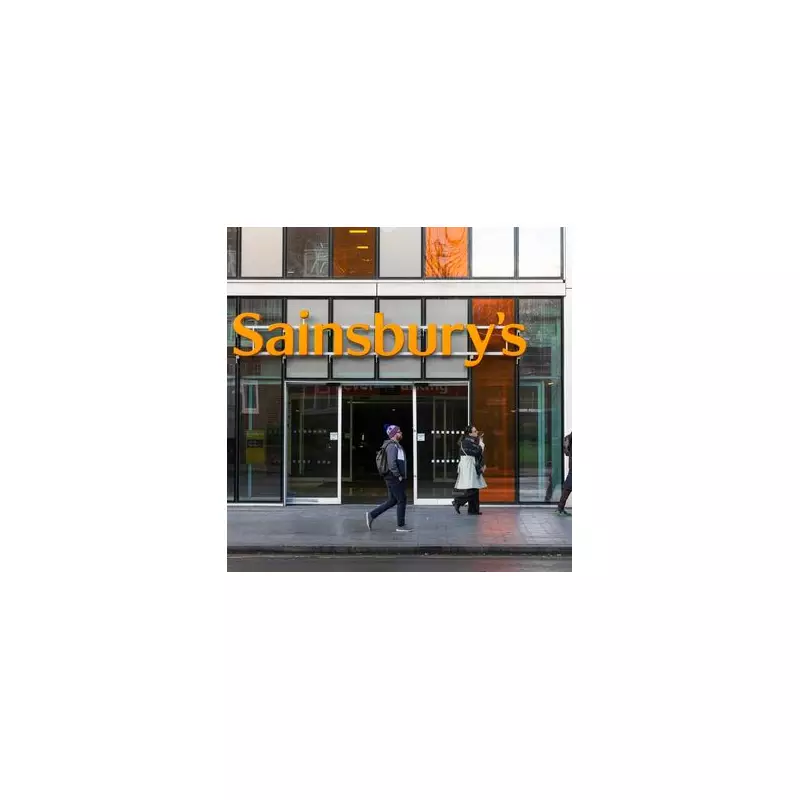
Sainsbury's is set to expand its use of facial recognition technology, with plans to install the controversial security system in five London stores. This move follows successful trials at existing locations in Sydenham and Bath, where the supermarket giant reported dramatic reductions in criminal incidents and anti-social behaviour.
How the facial recognition system works
The technology, developed in partnership with recognition company Facewatch, uses artificial intelligence to scan shoppers' faces and compare them against a watchlist of known repeat offenders. When a recognised individual enters the store, managers receive automatic alerts, allowing them to conduct further checks and potentially prevent incidents before they occur.
Remarkable results from initial trials
Claire Pickthall, Sainsbury's retailer and digital director, described the impact as "seismic" rather than marginal. The statistics from trial stores support this assessment, showing a 46% reduction in recorded cases of theft, anti-social behaviour, and aggression toward shop staff. Perhaps even more significantly, the technology led to a 92% decrease in how often known offenders returned to the two trial branches.

Facewatch, which also works with other major retailers including Home Bargains and Sports Direct, sent out an average of 1,415 alerts per day last year to the stores it serves, totalling 516,700 notifications across its network.
The London stores receiving the technology
The five London locations selected for the facial recognition rollout are:
- Dalston
- Elephant and Castle
- Ladbroke Grove
- Camden
- Whitechapel
Addressing staff safety concerns
Simon Roberts, chief executive of Sainsbury's, emphasised the company's duty to protect its employees, telling The Mirror: "When colleagues in our own stores tell us they are worried about their physical safety, we have a duty to act. We also know that a safe environment for colleagues is essential to keeping customers safe too."
This security initiative follows concerning research from shopworkers' union Usdaw, which found that over 70% of retail staff reported being verbally abused, 48% had been threatened, and 9% had been physically assaulted while at work.
Privacy and civil liberties concerns
The expansion of facial recognition technology has raised significant concerns among privacy advocates and civil liberties groups. Big Brother Watch, a prominent campaign organisation, has strongly criticised the approach, arguing that "harvesting biometric data cannot be the solution" to retail crime.
Jasleen Chaggar, legal and policy officer at Big Brother Watch, expressed particular concern about the potential for error in these systems: "Big Brother Watch has helped countless members of the public who were wrongly added to secret watchlists, accused of crimes without evidence, and forced to battle opaque systems to have their face removed from blacklists."
The organisation has called on the government to follow Europe's lead and ban the use of facial recognition technology against the general public, arguing that treating shoppers as potential suspects creates a surveillance environment that makes the UK a "democratic outlier."
As Sainsbury's proceeds with its London rollout, the debate continues between those prioritising staff safety and crime reduction, and those concerned about privacy rights and the potential for technological error in public spaces.