

The Never-Ending Cycle of Seasonal Decor
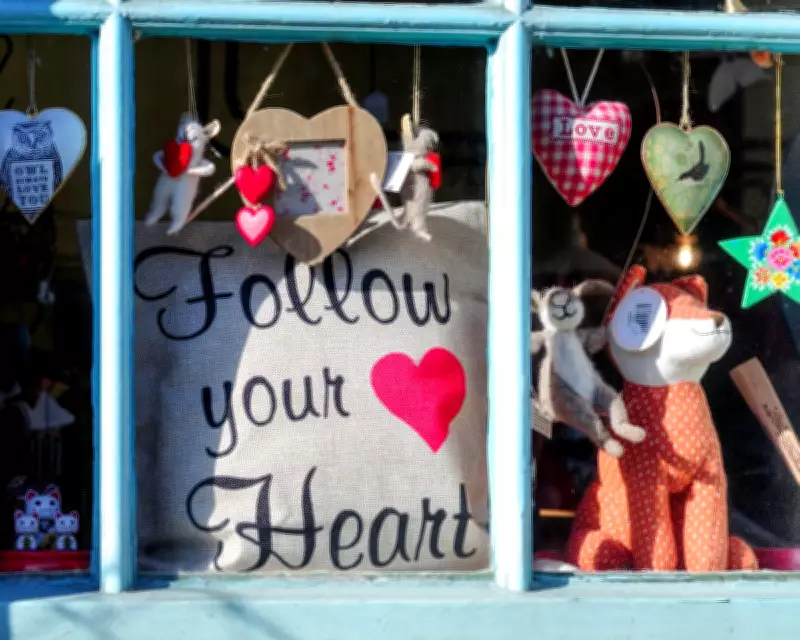
In the picturesque village of Matlock Bath, Derbyshire, shop windows display a rotating cast of themed homeware that changes with alarming frequency. What began as occasional holiday decorations has transformed into a relentless year-round cycle of consumer goods, from Valentine's Day lamps to Easter rugs and autumn oven gloves. This phenomenon represents a significant shift in retail patterns that benefits businesses and content creators while burdening consumers and the environment.
The Statistics Behind the Trend
Online lighting company Pooky recently revealed startling data about this growing obsession with seasonal decor. Google searches for "seasonal decor" have surged 70% year-on-year globally, while queries about "Valentine's decor" have skyrocketed by an astonishing 2,584% since the beginning of 2026. The company's chief creative officer enthusiastically promotes the concept of "easy rotation" homeware, suggesting consumers store Valentine lampshades, rose-tinted bulbs, and themed candles in labeled boxes for quick seasonal transformations.
This approach has created what many are calling a "tat-fest" - a continuous parade of novelty items that consumers feel pressured to purchase and display. The practical implications are concerning: where does one store plastic tubs containing Halloween curtain rods, Mother's Day decorations, St. Patrick's Day accessories, and countless other seasonal items? The storage dilemma has led to alarming waste statistics, with 70 million items of home decor discarded annually in Britain alone.

The Environmental and Psychological Costs
More than a quarter of British citizens report feeling that homeware trends are "changing at an increasingly fast pace," creating both environmental and psychological burdens. While some argue that seasonal decor provides comfort during economic challenges like the cost of living crisis, when going out becomes prohibitively expensive, the environmental impact cannot be ignored. The climate consequences of manufacturing, shipping, and disposing of countless novelty items raise serious questions about sustainability.
Beyond environmental concerns, the psychological promises of "fast homeware" often prove empty. Social media platforms, particularly TikTok, host over 41,000 videos tagged "seasonal decor," with countless others using hashtags like #autumnaesthetic and #springvibes. Influencers routinely claim that swapping homeware can boost mood, spark joy, and even "heal your soul." Retailers have capitalized on this trend, with TK Maxx featuring a section called "Dopamine Home Decor" under their Home Seasonal Events category.
The Reality of Overconsumption
Research consistently shows that overconsumption correlates with lower wellbeing and increased psychological distress. The temporary excitement of purchasing novelty items frequently gives way to emptiness and renewed desire, creating a cycle that never delivers lasting satisfaction. There are more sustainable ways to experience positive emotions, including music appreciation, meditation practices, and volunteer work - activities that don't contribute to environmental degradation.
Nature itself offers the most elegant seasonal decor solution, changing landscapes and flora without producing waste or demanding consumer expenditure. The contrast between manufactured seasonal items and natural cycles highlights the absurdity of the current trend. As one commentator noted, "Mother nature redecorates seasonally, free of charge, and she also swaps out the bulbs."
Cultural Shifts and Alternative Perspectives
The current obsession with constantly changing homeware represents a dramatic departure from traditional approaches to domestic spaces. Previous generations typically maintained consistent home environments where objects accumulated meaning over lifetimes. A stained stainless steel teapot or well-worn coffee table items spoke to continuity, history, and personal narrative rather than temporary trends.

This shift raises important questions about whether happiness derives from novelty or from environments that genuinely reflect personal identity and values. While retailers and content creators will continue pushing seasonal decor for profit and engagement, consumers might reconsider whether their grandmother's approach - maintaining consistent, meaningful homeware - offered deeper satisfaction than today's disposable decorations.
The seasonal decor industry shows no signs of slowing, with supermarkets and online platforms constantly developing new products to feed the demand for novelty. Yet as environmental concerns grow and consumers become more aware of psychological manipulation through marketing, there may be opportunities for change. The choice between bank-holiday shoe racks and meaningful, lasting homeware represents more than just aesthetic preference - it reflects values about consumption, sustainability, and authentic living.





