

Selfridges Forced to Halt Sales of Controversial Globe After Customer Complaints
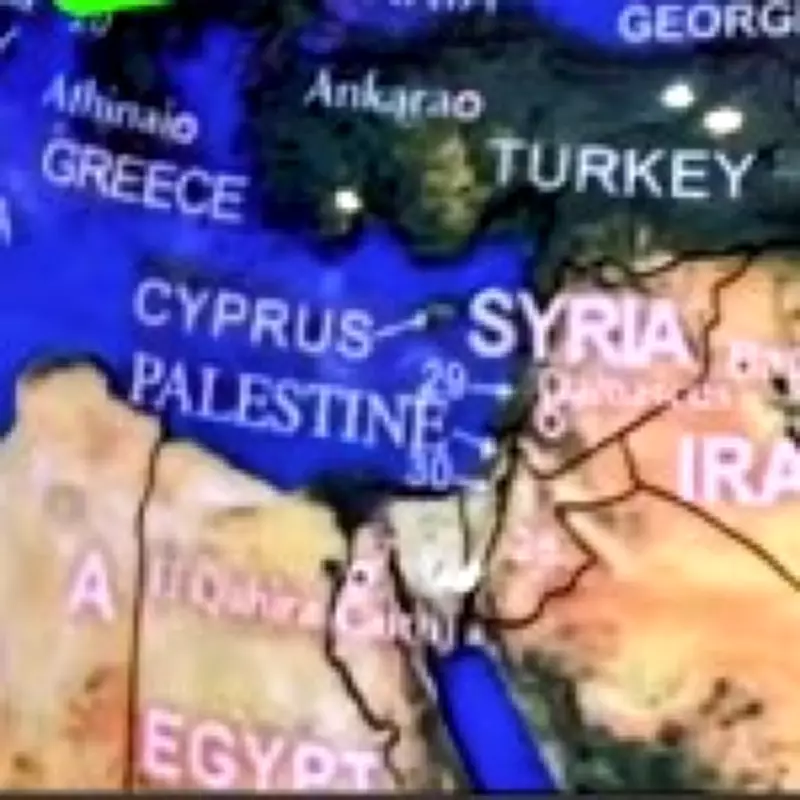
Selfridges, the high-end department store, has been compelled to stop selling an illuminated, rotating world map following a wave of customer complaints. Shoppers discovered that the globe appeared to omit Israel entirely from its cartographic representation, while Palestine was labeled prominently in capital letters. This discrepancy prompted immediate backlash and led to the product's removal from shelves.
Inconsistent Cartography Sparks Outrage
Neighboring nations such as Syria, Iraq, and Saudi Arabia were all clearly marked on the globe along with their respective capitals, making the omission of Israel particularly conspicuous. In response to a concerned shopper, Selfridges explained that the globe utilized a numbering system to represent certain smaller countries instead of printing their names directly on the map. However, this explanation did little to quell the controversy, as the application of this system appeared inconsistent and potentially biased.
For instance, Cyprus was displayed with its full name, while Israel was merely listed as number 30, despite Israel being more than twice the size of Cyprus. Meanwhile, Palestine, which covers an area of up to 2,400 square miles including Gaza, was labeled prominently, whereas neighboring Jordan, spanning approximately 34,000 square miles, was assigned a number. These inconsistencies fueled accusations that the globe's design favored some nations over others, leading to widespread criticism.

Selfridges Responds to Offense Concerns
Selfridges confirmed that it had withdrawn the product from sale after determining that it could "cause offense." The retailer stated, "We have also investigated this with the supplier and they have confirmed the globe uses a method of cartography, where some countries, such as Israel, are numbered on the map and are listed on a separate key." Emphasizing its commitment to inclusivity, Selfridges added, "It's extremely important to us that we create an environment where everyone feels welcome and our customers can shop with confidence, which is why we made the decision to remove the item from sale."
The controversial globe was spotted on sale at Selfridges' flagship store on Oxford Street, drawing immediate attention from shoppers and activists alike. Pro-Israeli activist Max Radford accused the department store of "cancelling" Israel, claiming that the luxury brand had received more than 700 complaints regarding the matter. This incident is particularly notable given Selfridges' historical ties to British Jewish businessman Sir Charles Clore, who once owned the store and has a beachfront park named after him in Tel Aviv.
Customer Reactions and Broader Implications
Online reactions were swift and severe, with one customer expressing disgust, writing, "I am disgusted this was on the shelves of your store. It is factually incorrect and all stock of it needs to be disposed of." This sentiment highlights the broader implications of cartographic accuracy and representation in retail products, especially in a global context where geopolitical sensitivities are high.
The removal of the globe underscores the challenges retailers face in navigating international politics and cultural sensitivities. As Selfridges investigates the matter with its supplier, the incident serves as a reminder of the importance of factual accuracy and impartiality in products sold to a diverse customer base. The retailer's prompt action to address the complaints reflects its efforts to maintain a welcoming shopping environment, but the controversy has already sparked discussions about bias and representation in everyday consumer goods.






