

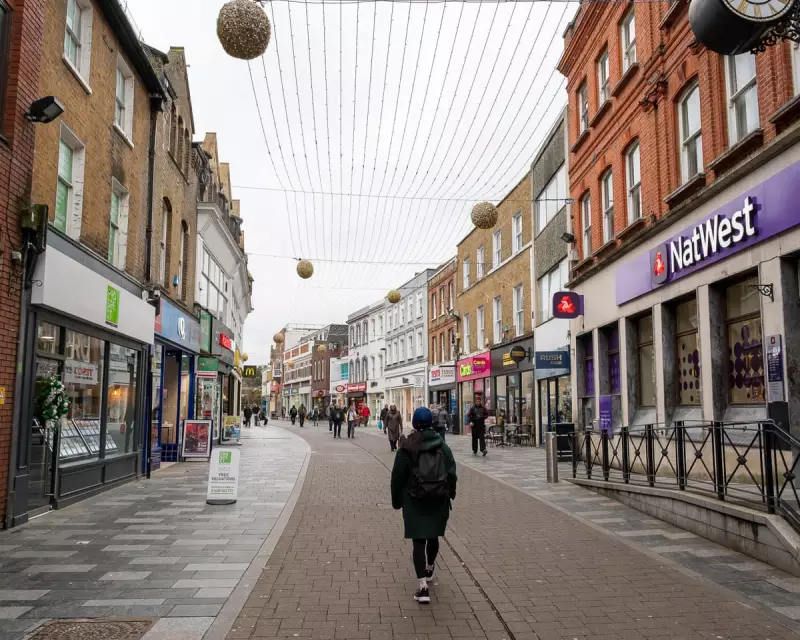
Retail sales in Great Britain experienced an unexpected decline during the crucial pre-Christmas period, as cautious consumers reined in their Black Friday spending and broader economic concerns dampened confidence.
Official Figures Defy Growth Forecasts
According to data released by the Office for National Statistics (ONS), sales volumes fell by 0.1% month-on-month in November. This result confounded economists, who had predicted a 0.4% increase driven by the annual Black Friday discount event.
Senior ONS statistician Hannah Finselbach noted the muted impact of the sales bonanza, stating: "This year November’s Black Friday discounts did not boost sales as much as in some recent years." Supporting survey data revealed that while some planned to shop more, nearly twice as many intended to spend less compared to the previous year.

A Bleak Start to the Golden Quarter
The November drop marks the second consecutive monthly fall in the vital final quarter of the year for retailers. The ONS also revised its earlier figures, changing October's reported 1.1% slump to 0.9% and adjusting September's 0.8% growth down to 0.7%.
The sector's performance was mixed. Non-food stores, including department, clothing, and household retailers, saw a 1% monthly increase. However, this was offset by significant declines elsewhere. Sales at non-store retailers, predominantly online, plummeted by 2.9%. Supermarket sales fell for the fourth month in a row, down 0.5%, and online jewellery sales also suffered.
Weather and Fiscal Worries Dampen Spending
Industry experts pointed to a combination of factors behind the weak performance. Jacqui Baker, head of retail at RSM UK, commented: "Speculation around potential tax hikes and the wettest weather seen this year dampened retail sales in November. The drop in sales compounded a bleak start to the all-important golden quarter."
Despite the disappointing figures, there is a glimmer of hope for December. Baker added that consumer confidence has shown a slight improvement this month, potentially indicating a "budget bounce" that could lead to a last-minute surge in high street activity.
The news follows a separate announcement from the Financial Conduct Authority confirming that the £100 limit on contactless card payments will be lifted from March, giving banks the power to set their own single-payment limits.






