

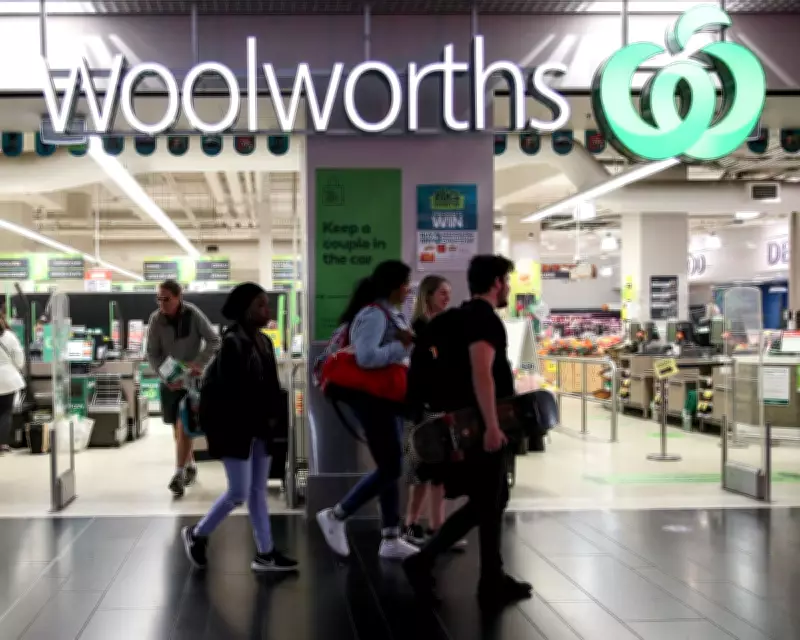
Woolworths' Price Decline Claims Face Intense Scrutiny
Woolworths, a major retail chain, has recently touted eight consecutive quarters of price declines, positioning itself as a leader in affordability during economic uncertainty. However, this assertion is now under the microscope, with analysts and consumers alike raising doubts about its accuracy and relevance to everyday shopping experiences.
Examining the Methodology Behind the Numbers
The company's claims are based on internal data tracking price changes across its product range. While Woolworths reports an overall downward trend, critics argue that the methodology may not fully capture the nuances of consumer spending. For instance, selective product sampling or exclusion of high-inflation items could skew the results, making the declines appear more significant than they are in practice.
Industry experts point out that such metrics often fail to account for regional variations, seasonal fluctuations, and changes in product quality or size. This raises questions about whether the reported price declines translate to tangible savings for shoppers at the checkout.

Consumer Experiences Tell a Different Story
Despite Woolworths' optimistic reports, many consumers report feeling the pinch of rising costs in their grocery bills. Surveys and anecdotal evidence suggest that staples like fresh produce, dairy, and meat have seen price increases, contradicting the company's broader narrative of deflation.
This disconnect highlights a growing skepticism among the public, who often rely on personal experiences over corporate announcements. The "pub test"—a colloquial term for common-sense evaluation—indicates that Woolworths' claims may not hold up under real-world scrutiny, as shoppers continue to grapple with budget pressures.
Broader Implications for the Retail Sector
Woolworths' situation reflects a larger trend in the retail industry, where companies balance promotional messaging with economic realities. As inflation remains a concern globally, accurate and transparent pricing data is crucial for maintaining consumer trust.
If Woolworths' claims are found to be misleading, it could erode customer loyalty and invite regulatory attention. Competitors may also face increased pressure to justify their own pricing strategies, potentially leading to more rigorous standards in retail reporting.
In summary, while Woolworths celebrates eight quarters of purported price declines, the evidence suggests a more complex picture. Stakeholders are calling for greater clarity and honesty in how such figures are presented, ensuring they align with the everyday realities of consumers.






