

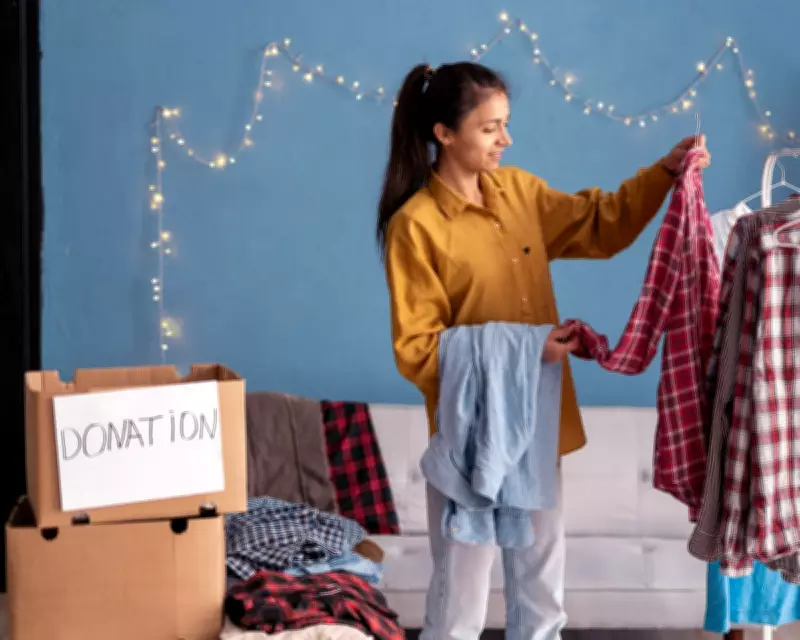
Young fashion enthusiasts are breathing new life into charity shops across the United Kingdom, helping these outlets thrive despite the ongoing challenges facing traditional high streets. Inspired by the growing popularity of secondhand fashion platforms such as Vinted and Depop, younger consumers are increasingly turning to charity shops for sustainable shopping options, driving sales and volunteer numbers upward.
Sales Surge Outperforms Wider Retail Sector
According to recent reports, charity retail sales have demonstrated remarkable resilience, outperforming the broader retail industry. Save the Children, a prominent charity, experienced a 3% increase in retail sales over the past year, with a particularly strong surge of 11% in December alone, generating over £1 million for its causes. Ian Matthews, the charity's director of retail and communities, noted a significant spike in sales, which remained robust into January.
This performance exceeded the charity industry's average growth of 1.4% last year, as reported by the Charity Retail Association (CRA). Moreover, it surpassed the wider retail sector's modest 1.1% increase in non-food sales, highlighting the unique appeal of charity shops in a challenging economic environment.

Influence of Secondhand Fashion Platforms
Allison Swaine-Hughes, chief commercial officer at the British Heart Foundation, one of the UK's largest charity retailers, emphasized the positive impact of online platforms like eBay, Vinted, and Depop. These sites have cultivated a growing interest in secondhand shopping, benefiting the entire reuse sector. The British Heart Foundation, as a major eBay charity seller and top-rated Depop seller, has observed strong demand for quality preloved items, with transactions in physical shops also rising compared to the previous year.
However, despite the sales increase, charities face significant profitability challenges. Robin Osterley, chief executive of the CRA, pointed out that rising costs, including national insurance for employers and increases in the minimum wage, have squeezed profit margins for many organizations. Additionally, the declining price of unsellable clothing, known as rag, has further impacted income, as charities rely on selling this fabric to specialist traders.
Consolidation and Adaptation in the Charity Shop Landscape
The total number of charity shops in the UK decreased by nearly 80 to 4,304 last year, attributed to inflation in rent, utilities, and wages, as well as the rise of fast fashion, which has reduced the quality of donations. Some major charities, such as Scope, have closed stores, with plans to reduce its network from 138 to 61 outlets by the end of next month.
Nevertheless, Osterley described the situation as one of change and consolidation rather than disaster. He highlighted that the total retail space occupied by charities on high streets increased by almost 6%, as many organizations transition to larger stores to offer a wider selection of goods. Online sales have also surged, expanding the charities' reach to new audiences. Innovative strategies, such as using specialist clearance sites or discount rails with items priced at £1 or less, are helping to move less popular stock.
Youthful Volunteers Drive Operational Success
A key factor in the success of charity shops is the influx of young volunteers. Save the Children reported that 42% of new shop volunteers last year were aged between 18 and 24, up from 28% in 2021. This has lowered the average age of volunteers by 14 years to 28 over the past five years. The increase in volunteer support has enabled charities to process more stock efficiently and tailor their offerings to local demographics, such as highlighting vintage items in urban stores near universities.
Matthews acknowledged that while platforms like Vinted and Depop introduce some competition for sales and high-quality donations, as some individuals opt to sell items online rather than donate them, the public remains generous with both time and donations. He emphasized that the expanding market is pushing charities to enhance their operations, with younger people increasingly seeking sustainable shopping options and becoming more conscientious about their spending habits.

In summary, the synergy between young fashion fans and charity shops is creating a vibrant segment within the retail industry, offering a sustainable alternative to fast fashion while supporting vital charitable causes. Despite economic pressures, the adaptability and community engagement of these shops position them for continued growth and impact on UK high streets.





